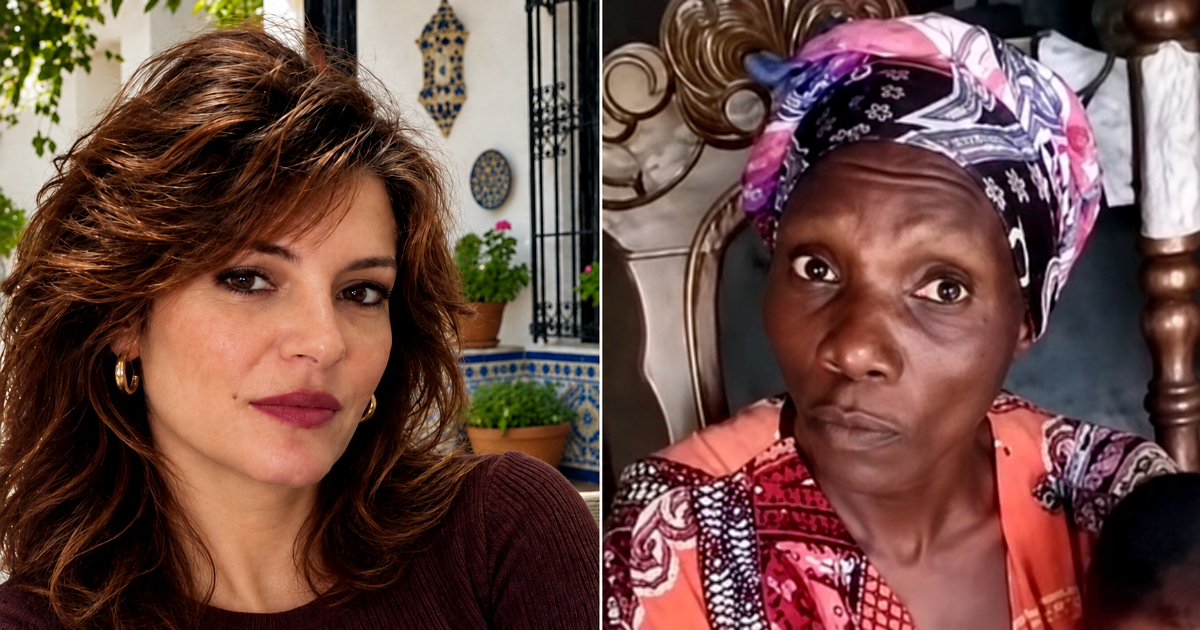
Spanish activist Ana Hurtado, known for her staunch defense of the Cuban regime and familial ties to the island's military elite, has once again turned to revolutionary rhetoric. This time, she celebrates a supposed glory of the Cuban people following the United Nations vote against the U.S. embargo on Cuba.
In a recent Facebook post, Hurtado stated, "They did not vote with Cuba. But Cuba was there. Hence, the glory will be for a select few, among them this people and this Revolution," alongside images criticizing countries that did not support Havana despite receiving Cuban aid.
This statement comes after the UN General Assembly passed the resolution against the embargo with 130 votes in favor, 17 against, and 25 abstentions, marking a loss of 35 supporters since 2025 and the lowest support since the resolution was first introduced in 1992.
Hurtado attempts to turn a diplomatic setback into a moral high ground, failing to clarify what glory results for a population enduring endless blackouts, food and medicine shortages, and a consistently declining standard of living.
The Burden of Medical Diplomacy
Hurtado's images highlight the assistance provided by Cuban professionals in countries like Argentina, Ecuador, Italy, and Colombia, whose governments altered their positions on the resolution. Her message implies that such cooperation should translate into diplomatic loyalty toward Havana, as if services rendered by Cuban doctors create a perpetual obligation of political support for the regime.
However, the merit of these professionals belongs to those who tended to thousands, not the leaders who orchestrated these missions. Receiving governments are not bound to support Cuba's international stance as a result.
Additionally, this narrative overlooks reports of labor conditions faced by Cuban collaborators. United Nations experts have raised concerns about alleged coercive practices in Cuban medical missions. An April 2026 report by the Inter-American Commission on Human Rights documented testimonies of movement restrictions, threats, and document retention, warning that such practices may amount to forced labor or human trafficking.
Recurring Themes of Glorification and Sacrifice
This isn't the first time Hurtado invokes the heroism and sacrifice of the Cuban people. In early October, she published an article in Cubadebate drawing on the epic narratives of the Vietnam, Afghanistan, and Iraq wars to caution the United States about the consequences of potential military intervention.
Now, faced with diminishing diplomatic support, she again presents revolutionary resistance as a source of collective glory. This stance is further complicated by her marriage to Senén Casas Más, son of the late General Senén Casas Regueiro, tying her to the Cuban military's power structure.
Hurtado's public activities revolve around defending the regime while extolling sacrifices borne by a population subjected to increasingly difficult living conditions.
The Stark Reality Behind the Rhetoric
During the UN debate, U.S. Ambassador Mike Waltz highlighted the stark contrast between citizens' hardships and the ruling elite's privileges. He criticized the accumulation of resources by the military conglomerate GAESA and pointed to the luxury watches, yachts, and properties of leaders and their families amid shortages of medicine and fuel.
These accusations from Washington underscore an issue Hurtado does not address: the unequal distribution of resources and sacrifices within the system she supports.
Cuba's everyday reality leaves little room for epic tales. The country faces severe power plant breakdowns, fuel shortages, generation deficits exceeding 2,000 megawatts, and prolonged power outages that disrupt homes, services, and the economy.
Even within official circles, there are growing questions about this rhetoric. When Hurtado suggested an app to manage blackouts, blaming them solely on Donald Trump and the embargo, Cuban journalist Ana Teresa Badía urged explanations and empathy, stating, "We need to feel like those who have no power."
This remark, from a journalist affiliated with official institutions, highlights the tension between narratives of resistance and the daily struggles of those bearing the crisis's brunt.
The question remains, what does this glory mean for those spending much of their day without power, searching for unavailable medicines, and struggling to feed their families?
Hurtado promises it in the name of the people and the so-called "revolution," yet fails to explain how it translates into a better life for Cubans or why the sacrifices she glorifies fall on those with the least control over their fate.
Understanding the Cuban Crisis and Diplomatic Dynamics
What does Ana Hurtado's statement signify in the context of the Cuban crisis?
Ana Hurtado's statement attempts to portray a diplomatic setback as a moral victory for Cuba, despite the severe economic and social challenges faced by its citizens.
How did the UN vote impact Cuba's diplomatic standing?
The UN vote against the U.S. embargo showed a decrease in international support for Cuba, with fewer countries voting in favor compared to previous years, highlighting a diplomatic challenge for the Cuban regime.
What are the concerns regarding Cuban medical missions abroad?
There are allegations of coercive practices in Cuban medical missions, including movement restrictions, threats, and document retention, which may constitute forced labor or human trafficking.