Mikely Arencibia Pantoja, a photographer and entrepreneur from Pinar del Río, took to Facebook on Saturday to share a poignant post titled "The Business of Misery." In this reflection, he sheds light on the dire economic situation in Cuba, highlighting how the persistent scarcity has created an environment ripe for profiteers who exploit the helplessness of those with no other options.
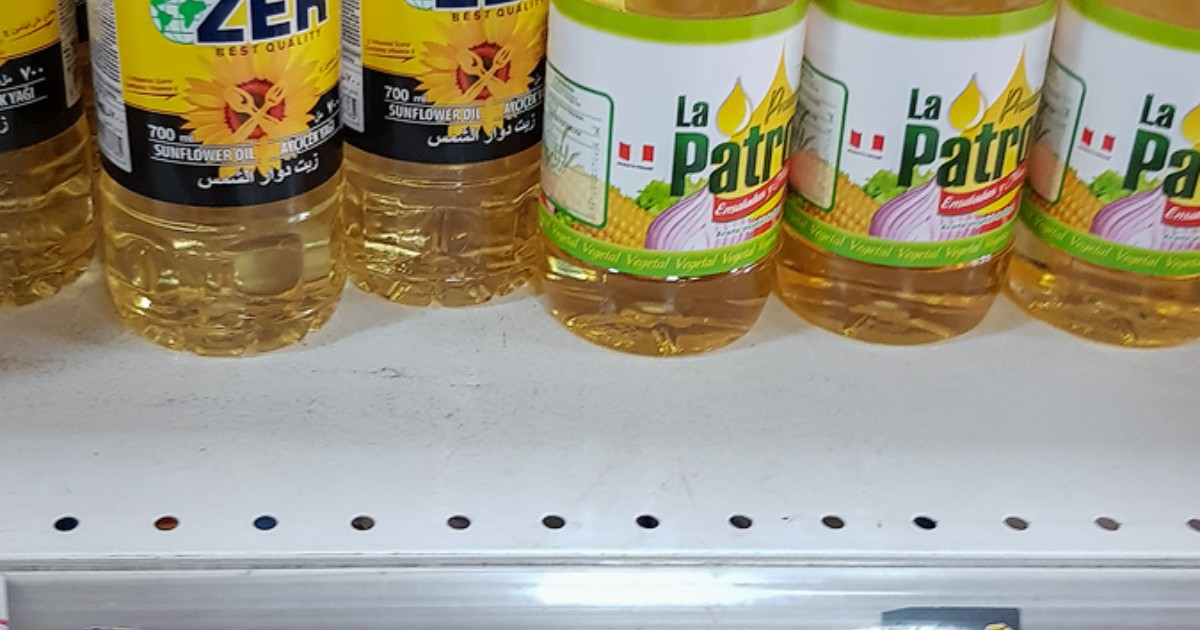
His post, featuring an image of a sunflower oil bottle alongside a tray of around 30 white eggs—two of the most scarce and overpriced items currently—begins with a stark statement: "In Cuba, there's an abundance of one thing: needs. Food, medicine, and basic goods are in short supply... things that are part of everyday life elsewhere are missing here."
Arencibia draws a crucial distinction: surviving by selling is not the same as exploiting others' desperation for profit. "I'm not talking about those who sell to survive. I'm addressing those who fully understand there's someone on the other side without choices and, without any remorse, exploit that need for their gain," he writes.
The Market of Scarcity and Exploitation
The entrepreneur points out that prolonged shortages create a fertile ground for exploitation: "It's true that scarcity creates markets, but when scarcity becomes a permanent fixture, it also breeds something that is now rampant in Cuba: profiteers of necessity." For these individuals, he adds, "misery stops being a consequence and turns into an opportunity."
However, the most disconcerting aspect of his analysis doesn't focus on the profiteers but rather on the collective resignation that allows them to thrive. Arencibia illustrates how Cuban society has become accustomed to hearing absurd prices and responding with, "Well... what can you do?" This normalization, he warns, is the real danger: "When a society's reaction to exploitation becomes 'what can you do?', the need extends beyond just financial struggles. It begins to infiltrate the conscience."
Unprecedented Price Surges and Attempts at Control
This reflection comes amidst an unprecedented surge in prices. Edible oil prices skyrocketed from approximately 1,500 pesos in April to over 4,000 pesos by August, reaching as high as 7,000 pesos in some areas, following the Ministry of Finance and Prices' Resolution 150/2026, which removed retail caps on imported edible oils. Meanwhile, egg prices soared to 200 pesos per egg in Placetas, Villa Clara, with cartons exceeding 5,700 pesos.
The gap between prices and wages underscores the gravity of the situation. Cuba's minimum wage stands at 3,210 pesos per month as of July 2026, while the basic basket of goods is estimated at around 96,000 pesos monthly—a disparity of nearly 30 times. With such income, a Cuban could barely afford 16 eggs at Villa Clara's capped price or less than a liter of oil at market rates.
In response to the crisis, several provinces have attempted to reinstate price controls. Villa Clara established maximum prices: eggs at 110 pesos and oil at 2,500 pesos per liter. Matanzas set similar reference prices, and San Luis, in Santiago de Cuba, followed suit, though officials clarified these were not strict price caps. Yet, these controls have proven ineffective; almost immediately after Villa Clara's announcement, oil was still selling at 4,000 pesos in Placetas.
Arencibia Pantoja is no stranger to highlighting these issues. In July, he shared reflections like "Normalizing the Abnormal" and "In Cuba Today, It's Better Than Tomorrow," all emphasizing the same premise: adapting to scarcity doesn't equate to living. Economist Pedro Monreal summarized the regime's policy failures with a resonant statement echoing Arencibia's diagnosis: "176 measures and a single achievement: proving they learned nothing."
Understanding Cuba's Economic Challenges
What are the main causes of scarcity in Cuba?
The chronic scarcity in Cuba is largely attributed to the socialist communist regime's mismanagement, economic policies, and the ongoing U.S. embargo which restricts trade. These factors have led to significant shortages of food, medicine, and basic goods.
How has the price of basic goods changed in recent months in Cuba?
Recently, prices of essential items like edible oil and eggs have soared significantly. Oil prices have increased from 1,500 pesos to over 4,000 pesos, with peaks of up to 7,000 pesos. Eggs reached 200 pesos each in some areas, exacerbating the economic strain on citizens.