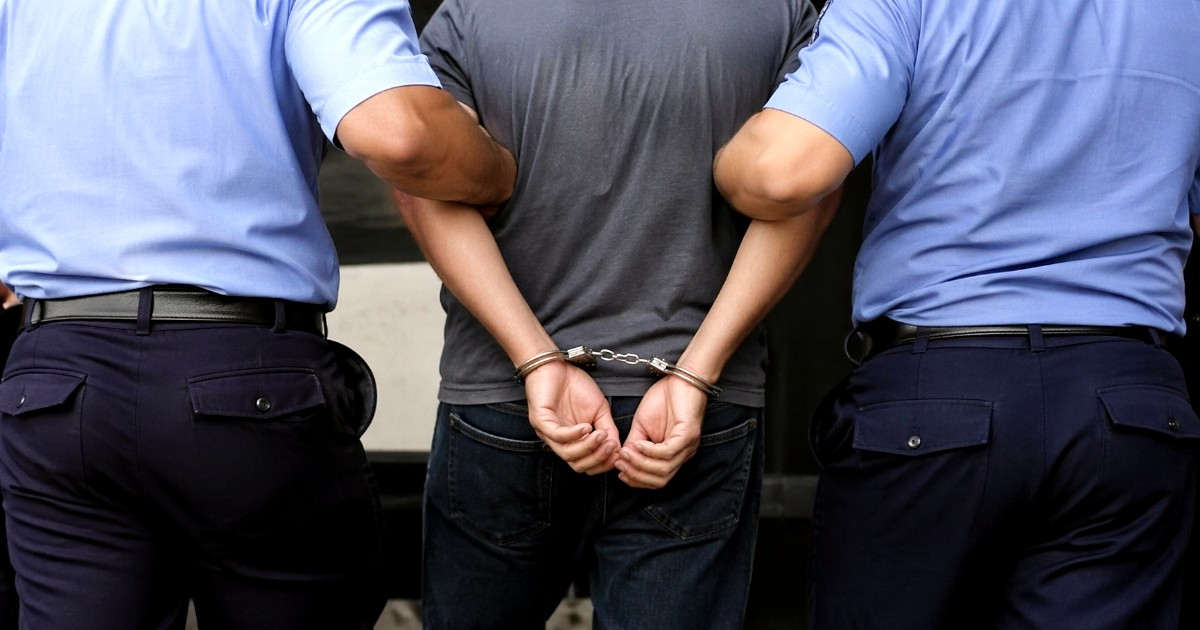
In the first half of 2026, the Cuban government executed at least 1,949 repressive actions against its citizens, according to a semi-annual report released by the Cuban Observatory of Human Rights (OCDH) on July 7 from Madrid.
The report details 257 arbitrary detentions and 488 unlawful confinements in homes, with at least 50 instances involving the use of direct violence against detainees.
Provinces including Havana, Camagüey, Santiago de Cuba, Matanzas, and Villa Clara experienced the most significant impact, with January, April, and May marking the peak months of repression during this period.
Women were targeted in 36.5% of these actions, while men comprised 63.5%. Additionally, the OCDH documented at least 300 prison-related actions, primarily targeting political prisoners and prisoners of conscience, and received 50 reports of reprisals against their families.
The independent journalism sector was notably affected, with 91 incidents reported in the first six months. Noteworthy cases include the three arrests of Henry Constantin, director of La Hora de Cuba, in January alone, and the arrest of journalist Ángel Cuza Alfonso in front of his young daughter in Havana on April 30.
Yoani Sánchez, the founder of 14ymedio, was also detained on January 28 to prevent her from attending a diplomatic event.
In June alone, there were 299 repressive actions: 47 arbitrary arrests and 252 other abuses, including 60 violations against political and common prisoners and their families, along with summonses, threats, and systematic harassment.
Many arrests that month were linked to peaceful protests sparked by prolonged blackouts, food shortages, and the widespread decline in living conditions.
The 107 protests recorded in June in Cuba included significant operations in Contramaestre, where the regime deployed forces after local demonstrations, and harassment of religious leaders detained during worship activities.
Severe June cases also involved the detention of teenagers and minors in Havana and Santiago de Cuba, the arrest of content creator Eddy Ceballos for his satirical channel, and the repeated detention of evangelical pastor Alian López Rodríguez in Sancti Spíritus.
This report coincides with the fifth anniversary of the massive July 11, 2021 protests, the largest in Cuba in decades.
Prisoners Defenders confirmed a historic record of 1,306 political prisoners in Cuba as of July 9, including 40 minors and 458 with serious medical conditions. The mass pardon in April 2026, which freed 2,010 inmates, specifically excluded those convicted of "crimes against authority," a legal term used to imprison July 11 protestors.
The OCDH cautioned that their data always represents an underreporting of the true situation and issued a direct denunciation: "As we approach the fifth anniversary of the July 11 protests in Cuba, we denounce the severe repressive situation in the country, particularly the targeting of political prisoners: they are being slowly killed."
"The compiled data reveal that the Cuban regime continues its repression against the populace and has no intention of enacting political or human rights changes. While regime officials claim they want dialogue with the United States, the reality for the people is hunger and repression," the Observatory concluded.
Understanding the Repressive Situation in Cuba
What are the recent repressive actions in Cuba?
The Cuban government has executed nearly 2,000 repressive actions in the first half of 2026, including arbitrary detentions, unlawful home confinements, and violence against detainees.
Who are the primary targets of these repressive actions?
The repressive actions have primarily targeted political prisoners, independent journalists, and participants in peaceful protests, with significant impacts on both men and women.
What events have triggered recent protests in Cuba?
Protests have been fueled by prolonged power outages, food shortages, and deteriorating living conditions, leading to widespread demonstrations across the country.