Last Friday, U.S. State Department officials held discussions in Havana with representatives of the Cuban regime, marking the first landing of a U.S. government aircraft on the island since President Obama's visit a decade ago.
In an exclusive report by Axios, the diplomatic engagement signifies a critical juncture as Cuba faces its most severe economic crisis since the Special Period of the 1990s, intensifying pressure on the regime.
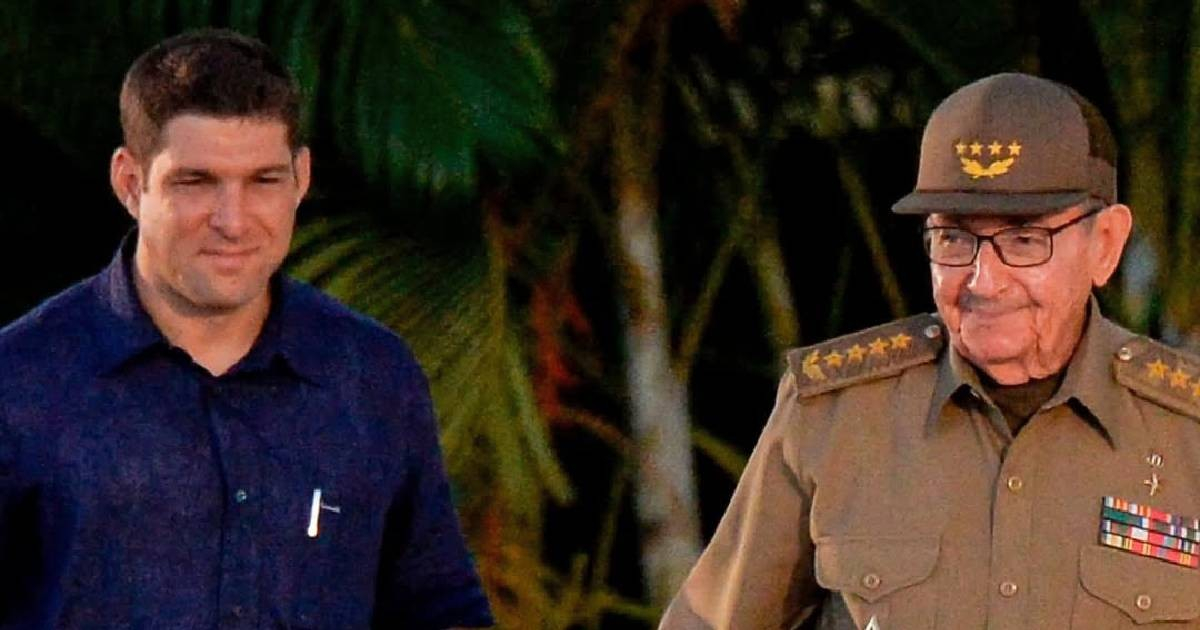
A senior official from the State Department confirmed multiple meetings took place but only publicly named one Cuban participant: Raúl Guillermo Rodríguez Castro, also known as "Raulito" or "The Crab."
Washington views "Raulito" as the de facto spokesperson for his grandfather, Raúl Castro, who, at 94, remains the true power in Cuba, overshadowing the formal president, Miguel Díaz-Canel.
The 41-year-old grandson, a lieutenant colonel and head of his grandfather’s personal security, had previously initiated contact with a close advisor to Secretary of State Marco Rubio in Saint Kitts during the CARICOM summit held in March.
The delegation's message to the regime was candid: "The Cuban economy is in freefall, and the island's ruling elite has a narrow window to enact key reforms supported by the U.S. before conditions deteriorate beyond repair."
Diplomatic Relations Between the U.S. and Cuba
What was the purpose of the U.S. delegation's visit to Cuba?
The visit aimed to engage with Cuban regime representatives amidst Cuba's severe economic crisis, urging them to implement U.S.-supported reforms.
Who is Raúl Guillermo Rodríguez Castro?
Raúl Guillermo Rodríguez Castro, known as "Raulito" or "The Crab," is the de facto spokesperson for his grandfather, Raúl Castro, and head of his personal security.
What message did the U.S. delegation convey to the Cuban regime?
The U.S. delegation warned that Cuba's economy is collapsing and pressed for timely reforms to prevent irreversible deterioration.