Cuban economist Mauricio de Miranda Parrondo has highlighted a critical juncture for the island's political and economic model, suggesting it could signal the "end of the illusion" of the regime's sustainability. His commentary was featured in an article published by The New York Times.
The key points of de Miranda's analysis were shared on Facebook by fellow economist Pedro Monreal, who encouraged readers to consider the insights amidst Cuba's severely deteriorating economic landscape.
"Economy Already at the Brink of Collapse" De Miranda argues that the current crisis is not solely the result of external pressures but is rooted in "decades of structural economic failure under a rigid political system that has consistently resisted any form of reform."
While the Trump administration's measures to limit oil shipments to Cuba have exacerbated the situation, de Miranda notes that the economy was "already at the brink of collapse" long before.
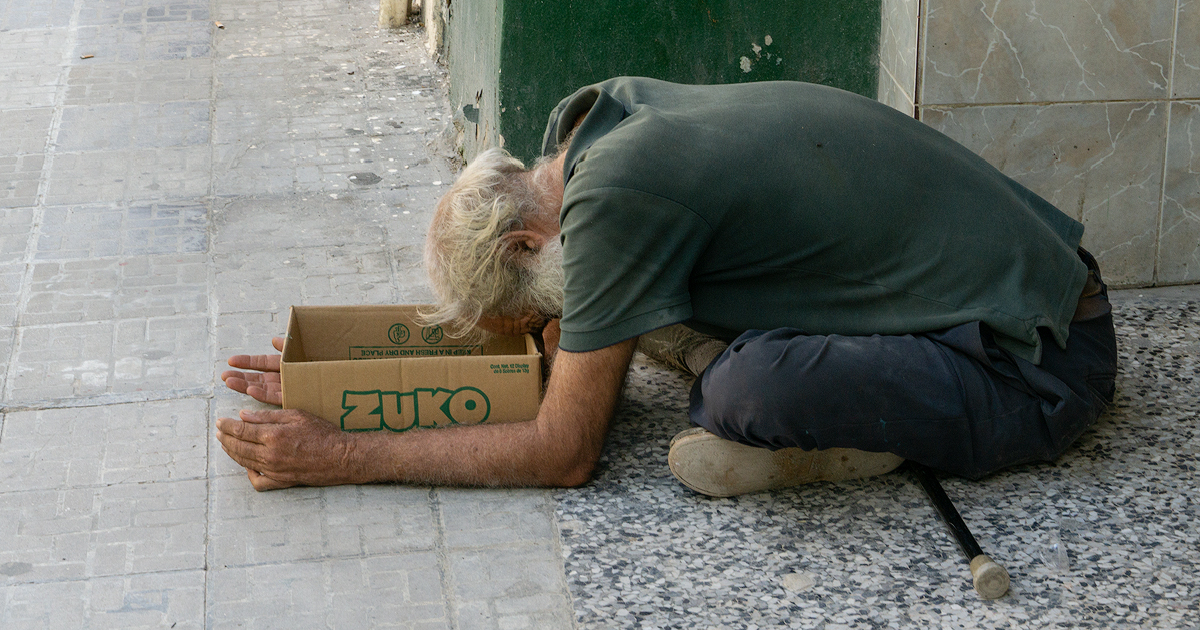
Currently, Cuba is experiencing one of its most severe crises in decades, characterized by prolonged power outages, chronic shortages of food and medicine, uncontrolled inflation, and mass migration that has significantly depleted the workforce.
Political Rigidity as a Barrier The article emphasizes that the 2019 Constitution declares the socialist system "irrevocable," yet warns that "no system is permanent."
"The Cuban regime has mistaken its survival for eternity. Now, the game could be over," the article states.
De Miranda argues that fear of economic liberalization leading to political change has led the state to maintain tight control over the economy, preventing substantial reforms and allowing the crisis to deepen "beyond the point of no return."
"The extreme rigidity of the country's totalitarian political system has become the primary barrier to the reforms the economy desperately needs. Without political transformation, economic recovery will remain an illusion," he concludes.
Growing Debate The economist's reflections contribute to a burgeoning debate among academics and analysts about the current model's viability, as the population faces increasingly precarious material conditions.
While the government primarily attributes the crisis to the U.S. embargo and external factors, critical voices argue that the problem is structural, stemming from a lack of profound reforms in the economic and political system.
Insights on Cuba's Economic Challenges
What does Mauricio de Miranda Parrondo say about Cuba's economic crisis?
Mauricio de Miranda Parrondo argues that Cuba's economic crisis is not only due to external pressures but is primarily caused by decades of structural economic failures and a rigid political system resistant to reform.
How has the Trump administration impacted Cuba's economy?
The Trump administration's restrictions on oil shipments to Cuba have increased pressure on the economy, which de Miranda notes was already on the brink of collapse.
What are the main challenges facing Cuba currently?
Cuba is facing prolonged power outages, chronic shortages of food and medicine, uncontrolled inflation, and mass migration, all of which have significantly affected its workforce.