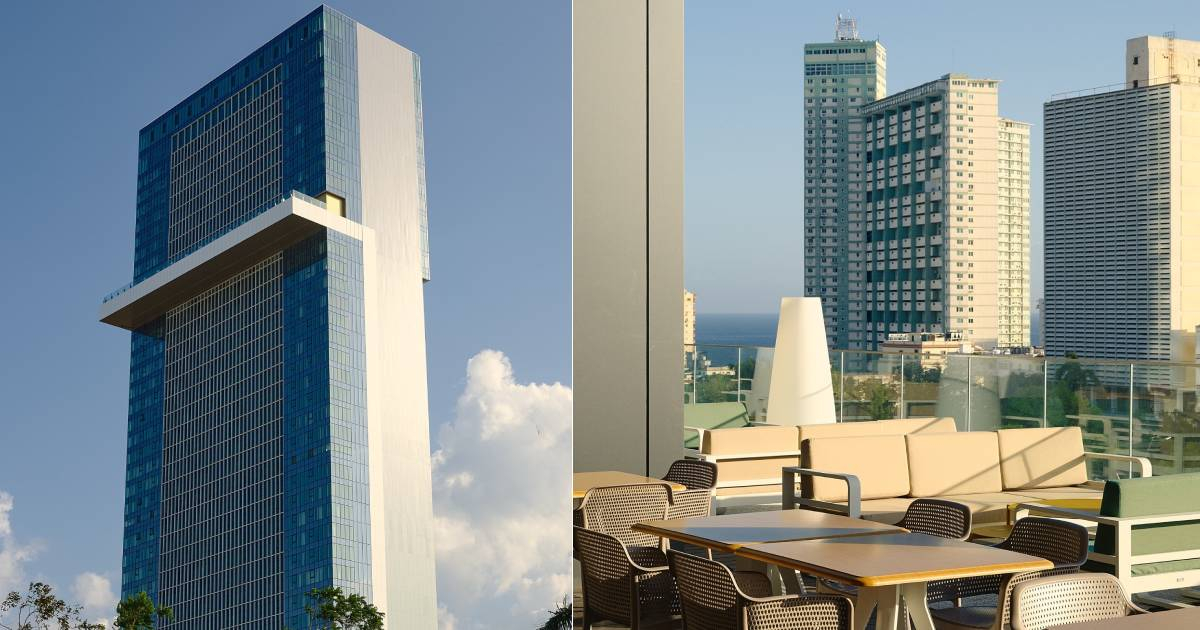
A promotional post by Cuba's Ministry of Tourism (MINTUR) quickly devolved into a whirlwind of criticism, sarcasm, and public discontent. This occurred just a day before the ministry urgently refuted the false "1,100 dollars" rumor that had led to large gatherings at hotels across several provinces.
MINTUR shared images on Facebook showcasing the Iberostar Selection La Habana, described as the "tallest building in Cuba," encouraging people to "explore the vibrant, cultural city of Havana" from the hotel's terrace and Sky Bar.
However, the Cuban public's response was a candid reflection of the nation's crisis, filled with comments of irony, disbelief, and outrage toward tourism promotions that feel alien and provocative to most citizens.
Public Response Highlights Economic Disparities
"I'm excited, tomorrow I'm going with my family to collect the 1,100 dollars from the beloved Ignacio Giménez," remarked a user, alluding to the fake rumor that led hundreds to the Habana Libre and other hotels, mistakenly expecting financial aid that was never provided.
Others highlighted the inaccessibility of such lavish places for those earning in the local currency. "How many years do I need to save for a weekend if I earn 4 dollars a month?" questioned one man. "Tell me the prices, so I can plan to visit in 20 years with my salary," another user wrote.
Cuban Crisis Reflected in Reactions
The phrase "vibrant city," used by MINTUR, also sparked sarcastic responses. "Vibrant? Havana is dark and ruined," one commenter noted. "What you'll see from that height is a giant Christmas tree: sometimes lit, sometimes not," another added, referencing the ongoing energy crisis.
The gatherings due to the Ignacio Giménez rumor featured prominently in comments, with images of hundreds waiting at hotels in Havana and Santiago de Cuba for supposed donations after Hurricane Melissa. "I'm going to the Sky Bar tomorrow, to see if they're handing out 1,100 dollars there too," a user sarcastically posted.
A Stark Contrast Between Luxury and Reality
Social criticism mixed with frustration: "What a disrespect to the people," one woman noted. "Build a five-star power plant, maybe then we can end the blackouts," suggested another. "Who is this for? The average Cuban can't even enter the lobby," lamented a worker.
MINTUR's post aimed at promoting international tourism instead spotlighted a painful gap: luxury hotels nearly empty while the population struggles with insufficient wages, prolonged blackouts, and a crumbling economy.
The stark difference between official propaganda and harsh reality reopened a fresh wound, exposing the desperation of the Cuban people, clinging to a rumor that falsely promised free dollars.
While the government continues to portray a "vibrant" Havana, the public's reaction clearly illustrates a city worn out and a country where a tourism post incites more frustration than hope.
Understanding Cuba's Economic Challenges
What sparked the public's mockery towards MINTUR's hotel promotion?
The mockery was fueled by a recent false rumor about "1,100 dollars" that led to mass gatherings at hotels, juxtaposed with the promotion of a luxury hotel, highlighting the disparity between official propaganda and the economic struggles faced by Cubans.
Why did the phrase "vibrant city" trigger sarcastic responses?
The phrase "vibrant city" was seen as misleading by citizens who experience daily hardships, such as energy crises and infrastructure decay, making the description feel out of touch with their reality.