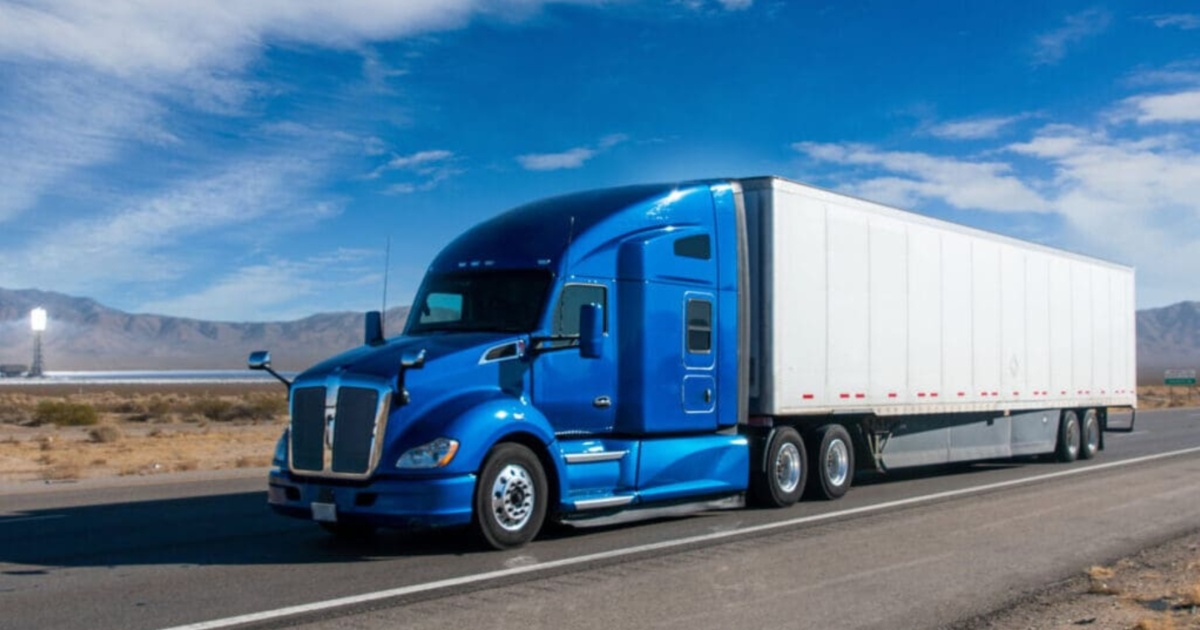
If you are a Cuban truck owner or work as an independent hauler with a registered vehicle in the United States, it's crucial to check whether you need to file a specific federal tax return by this Monday's deadline.
However, not all truckers are affected, as there are exceptions for certain taxpayers.
According to the Internal Revenue Service's (IRS) official instructions, the deadline pertains to Form 2290, known as the Heavy Highway Vehicle Use Tax Return, for vehicles first used in September during the current fiscal year.
The IRS's official fiscal year 2027 calendar confirms November 2 as the standard deadline for reporting and paying the tax associated with these vehicles.
Understanding the Fiscal Year and First Use
The fiscal year runs from July 1, 2026, to June 30, 2027. The term "first use" does not necessarily imply the truck's first-ever operation but rather its initial use on a public road in September within that fiscal period.
Merely purchasing a truck in September does not automatically subject it to this deadline. The date is dependent on the vehicle's use and applicable tax conditions, unrelated to its registration renewal schedule.
Who Needs to File Form 2290?
Generally, the obligation to file falls on the individual or business under whose name a highway vehicle with a taxable gross weight of 55,000 pounds or more is registered at first use during the fiscal period.
This requirement could apply to Cuban independent truckers who own their vehicles as well as transport companies with heavy vehicles registered in their name.
Holding a commercial driver's license (CDL) or driving for a company does not automatically necessitate filing this form. The key determinant is who bears the tax responsibility for the vehicle and whether it meets the IRS's specified conditions.
Tax Calculation and Filing Process
The taxable gross weight is not simply the cargo weight during a trip. The calculation includes the truck, trailers, or semitrailers typically used, and the maximum load they usually carry, according to tax rules.
The IRS provides a tax suspension for vehicles expected to travel no more than 5,000 miles during the fiscal year, or 7,500 miles for qualifying agricultural vehicles. However, this suspension doesn't remove the filing requirement.
There are also exemptions for certain vehicles and specific uses, which must be verified in the official instructions.
To file, taxpayers need their Employer Identification Number (EIN), the vehicle identification number (VIN), and the taxable gross weight that determines their tax category.
The IRS specifies that a Social Security Number (SSN) cannot replace an EIN for this declaration. Form 2290 must be accompanied by Schedule 1, which identifies the declared vehicles and serves as a tax receipt when applicable.
Electronic filing of Form 2290 is mandatory when reporting 25 or more taxable vehicles. This count does not include vehicles with a suspended tax under category W.
Taxpayers can electronically submit the form through commercial providers in the IRS-authorized program. Paper filing is also an option when applicable.
The amount owed varies depending on the vehicle's weight category, usage period, and other applicable conditions. Specific rules apply when purchasing used trucks from private parties.
If more time is needed, taxpayers can request an extension per IRS guidelines, but a filing extension does not extend the tax payment deadline.
Special Extensions in Florida
The November 2 deadline isn't universal for all heavy truck owners. The IRS has announced tax relief for certain Florida taxpayers affected by Hurricane Isaias, allowing deferrals of some federal filings and payments until February 8, 2027.
This relief, announced on October 14 and revised on October 22, begins on October 6, 2026, covering obligations originally due on November 2.
The IRS notice does not specifically mention Form 2290. However, federal disaster-related postponement regulations cover special taxes managed by the agency, including the heavy vehicle use tax.
Owners considering this relief must verify they meet the affected taxpayer criteria and that the deferral applies to their specific obligation.
The relief applies to residents and businesses in 27 Florida counties, including Baker, Bay, Calhoun, Citrus, Columbia, Dixie, Escambia, Franklin, Gadsden, Gilchrist, Gulf, Hamilton, Holmes, Jackson, Jefferson, Lafayette, Leon, Levy, Liberty, Madison, Okaloosa, Santa Rosa, Suwannee, Taylor, Wakulla, Walton, and Washington.
Miami-Dade, Broward, and Palm Beach counties are not included in this list, meaning Cuban truckers residing or operating in these areas should not assume an automatic extension until February.
The benefit applies to those living in the specified counties or businesses primarily based in the covered area. There may also be special provisions for taxpayers from other areas relying on essential records maintained in the affected territories.
The IRS automatically applies relief to identified eligible taxpayers in the covered areas. Those who believe they qualify despite being outside these zones should contact the agency at 866-562-5227.
These conditions were previously explained concerning tax deadline extensions for Hurricane Isaias in the 27 Florida counties. Cuban nationality does not influence a taxpayer's eligibility for deferral.
It's important not to confuse the Form 2290 deadline with the Form 941 deadline for certain Florida employers, which also falls on November 2 but pertains to federal payroll taxes rather than heavy vehicle use.
Key Information about IRS Deadlines for Cuban Truckers
What is the deadline for filing IRS Form 2290?
The standard deadline for filing IRS Form 2290 is November 2, for vehicles first used in September during the current fiscal year.
Who is required to file IRS Form 2290?
Those required to file include individuals or businesses with highway vehicles registered in their name that have a taxable gross weight of 55,000 pounds or more.
Are there any exceptions to the filing deadline?
Yes, exceptions exist for certain taxpayers, such as those affected by Hurricane Isaias in designated Florida counties, who have extended deadlines.
How can taxpayers submit Form 2290?
Form 2290 can be submitted electronically through IRS-authorized providers or by paper filing if applicable. Electronic filing is mandatory for reports including 25 or more vehicles.