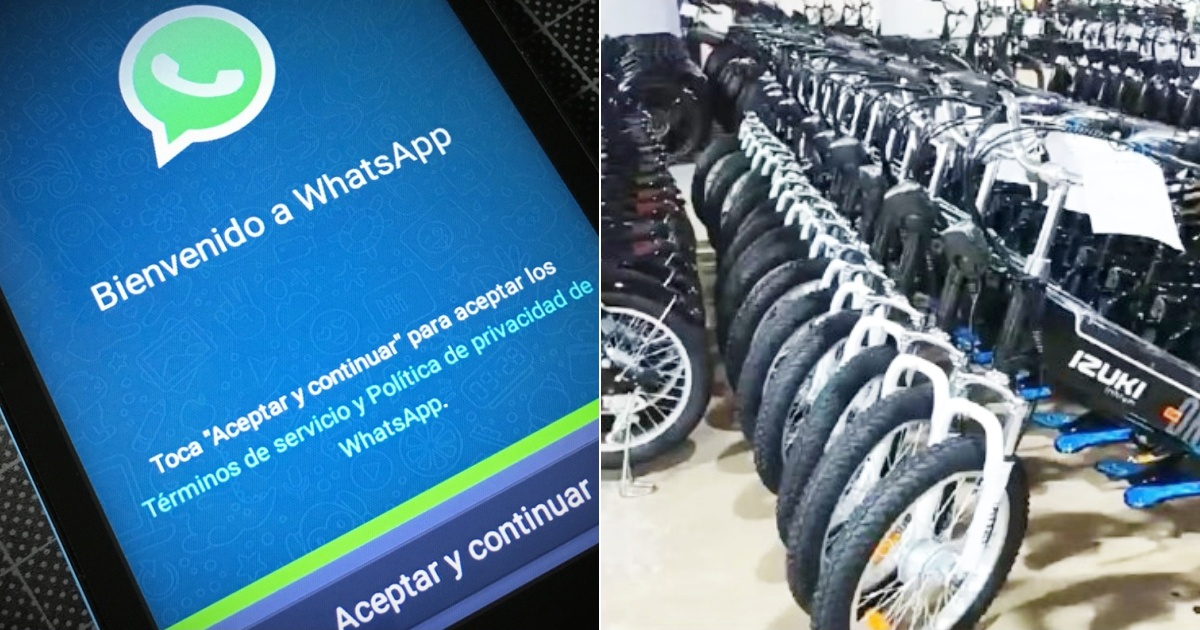
A Cuban woman has sounded the alarm on a new scam tactic involving fake offers for electric bicycles or e-bikes. The scheme is designed to gain access to victims' WhatsApp accounts and then trick their family members in the United States into sending money via Zelle.
In a video that went viral on social media and was reported by Infobae, the woman detailed how the scammers promise delivery of the e-bike before requiring payment, thereby earning the trust of potential buyers.
Understanding the Electric Bike Scam
The scam usually starts with an advertisement for an electric bicycle that promises home delivery with payment due only after the product is received. This condition provides a false sense of security to the buyer, who believes they won't need to pay until the bike is physically in their hands.
However, the true aim of these scammers is not immediate payment for the bike. Instead, they seek to acquire a verification code that allows them to attempt to register the victim's WhatsApp account on a different device.
According to the woman who exposed the scam, on the day of the supposed delivery, a fake delivery person contacts the buyer, claims to be lost, and asks for a code sent via text message.
"They will say they cannot find the house and are lost, asking you to send a code that was sent to your phone so they can enter it into their car's GPS," she explained, as reported by Infobae.
This code is typically the six-digit registration code WhatsApp sends to verify a phone number. If provided, the scammers can attempt to register the account on another device, potentially locking the victim out of their own account.
It's crucial not to confuse this registration code with the two-step verification PIN, an extra layer of security that WhatsApp users can enable.
Protecting Yourself from WhatsApp and Zelle Scams
Once the scammers gain access to a WhatsApp account, they can impersonate the account holder to request money from family or friends. They might contact the person responsible for paying for the bike, claiming it has been delivered.
"Yes, go ahead and make the payment; I have the bike with me," is a message they might use to convince the family member to transfer funds. The bike never arrives, and the money goes straight into the scammers’ pockets.
The woman who issued the warning emphasized the importance of not sharing unexpected verification codes received on your phone.
"Never share these codes that appear out of nowhere on your phone," she cautioned, according to Infobae.
Recovering Money Sent Through Zelle
Zelle transfers are usually completed within minutes and typically can't be canceled once the recipient is registered. However, victims of scams do not automatically lose their chance to recover their funds.
According to Zelle's official information, certain identity theft scams may qualify for a refund, even if the user has authorized the transfer under false pretenses.
The platform distinguishes between unauthorized transactions, which occur without the account holder's consent, and payments made by the individual after being deceived. The possibility of reimbursement depends on the case's specifics and applicable protections.
Victims of such scams should immediately contact their bank or credit union to report the incident and request an investigation.
How to Avoid WhatsApp and Zelle Scams
The primary advice is to never share registration or verification codes received via SMS, regardless of who claims to need them, whether it's a delivery person, seller, or company representative.
To minimize the risk of falling victim to this type of fraud, consider the following precautions:
- Do not share WhatsApp codes: A delivery person does not need a registration code to find an address or deliver a product.
- Confirm money requests through another method: If a relative asks for an unexpected transfer, call them at a known alternative number or contact them through an independent channel.
- Be wary of urgency: Messages that pressure you to make immediate payments should be verified before sending money.
- Verify the recipient's identity: Before using Zelle, confirm with the relative the details of the person who will receive the payment.
- Enable WhatsApp's two-step verification: This feature adds a security PIN to the account registration process. WhatsApp allows you to activate this protection from the app's settings under Account and Two-Step Verification. It's also advisable to add a recovery email and periodically check the Linked Devices section to spot any unknown sessions.
The official WhatsApp guide provides instructions to set up this security measure.
Other Digital Scams in Cuba
Reports of identity theft through WhatsApp and fraudulent commercial dealings are not new in Cuba.
In August 2026, a Cuban resident in the United States lost $1,900 after receiving messages from a friend's compromised WhatsApp account in Cuba. The victim even made a video call before transferring the money, unaware that the account had been hacked.
In June, another Cuban reported losing $6,000 while attempting to purchase an electric tricycle for her relatives in Holguín. In that instance, scammers used an artificially generated image to make it appear as though the vehicle had been delivered to her home.
In July, a Cuban man reported a scam involving the sale of solar panels.
FAQs on Digital Scams in Cuba
How can I protect my WhatsApp account from being hacked?
Enable two-step verification in WhatsApp to add a security PIN to your account. Avoid sharing verification codes with anyone.
Can money sent through Zelle be recovered?
In some cases, if the transaction was part of an identity theft scam, you might qualify for a refund. Contact your bank immediately for assistance.
What should I do if I receive a suspicious request for a verification code?
Do not share the code and verify the request through official channels or contact the person directly using a known method of communication.