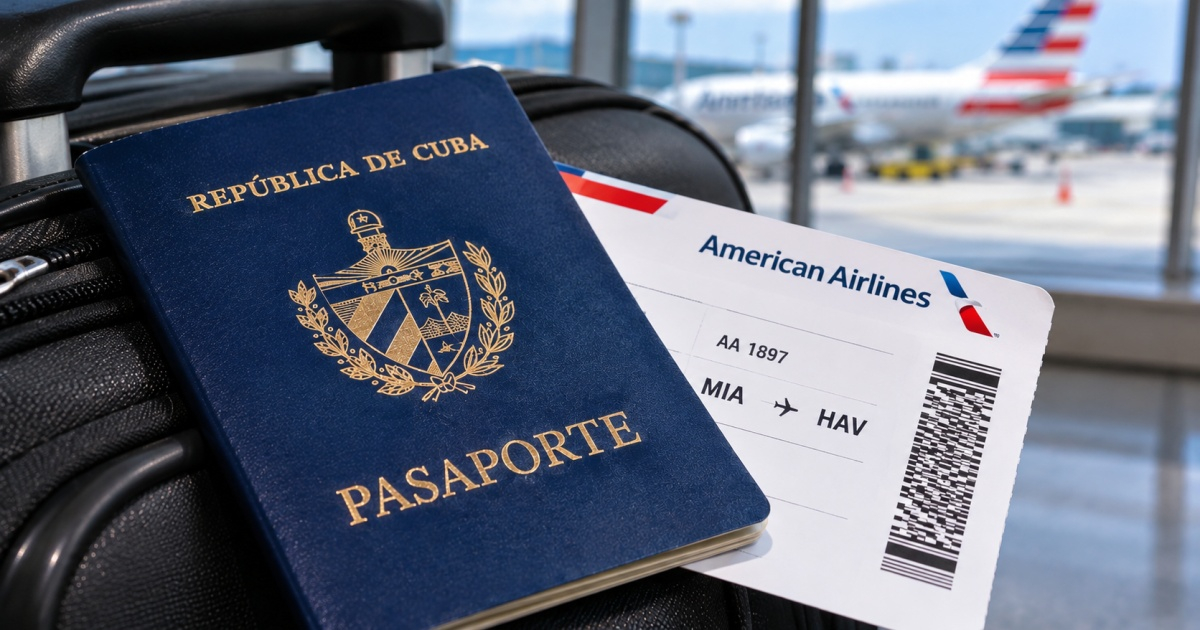
If you're awaiting your residency application under the Cuban Adjustment Act and are considering traveling to Cuba or elsewhere, it’s crucial to be aware of the risks before leaving the United States.
Generally, those with a pending I-485 form need to secure advance travel permission, known as advance parole, before departing. Exceptions exist for specific immigration categories, but they don't automatically apply to all applicants.
Exiting the U.S. without the proper authorization may lead to the USCIS treating your residency application as abandoned. Even with approved permission, reentry to the U.S. isn't guaranteed.
Impact of the BIA Decision
On August 13, 2026, the Board of Immigration Appeals (BIA) issued a decision that altered how advance parole is treated for those with certain periods of illegal presence in the U.S.
The federal regulation 8 CFR 245.2(a)(4)(ii) states that leaving the United States while an adjustment of status application is pending is generally seen as abandoning the process. However, obtaining advance parole before departure and presenting it upon return can serve as a key exception.
The USCIS Policy Manual outlines this rule and its exceptions. Some individuals with specific immigration statuses, like certain H or L categories, might travel without their I-485 application being considered abandoned, provided they meet the necessary regulatory requirements.
Application for Advance Parole
Those requiring advance parole must apply using form I-131, selecting the appropriate category for someone with a pending status adjustment application. USCIS demands documentation proving eligibility, which may include a copy of the I-485 receipt.
Before planning travel, it’s vital to ensure:
- The advance parole is approved; don’t travel solely based on submitting the I-131 form.
- The document’s validity matches your travel plans, allowing reentry on the scheduled date.
- A valid passport is required, as advance parole doesn’t replace travel documents needed for entry into other countries.
- Fees and processing times should be verified with current USCIS information before submitting the application or purchasing tickets.
Advance Parole Does Not Ensure Return
USCIS warns that obtaining advance parole doesn’t guarantee a person’s return to the United States. Upon arrival at an airport or border crossing, a Customs and Border Protection (CBP) officer assesses whether to authorize entry under applicable conditions. The document allows reentry requests but doesn’t negate potential inadmissibility grounds.
The regulation 8 CFR 245.2 specifies consequences for those returning with travel permission who later receive a status adjustment denial. Such individuals might be subject to immigration provisions applicable to admission applicants.
Changes Following Delcarmen-Lara Decision
For years, the BIA maintained that traveling with advance parole didn’t constitute a departure triggering certain inadmissibility bars due to illegal presence. However, the August 13, 2026 decision in Matter of Delcarmen-Lara changed this, viewing a departure with advance parole as potentially triggering the section 212(a)(9)(B) of the Immigration and Nationality Act.
This decision explicitly overruled previous precedent and may have significant implications for those with illegal presence before traveling.
The U.S. law considers two main inadmissibility bars related to illegal presence:
- A three-year bar may apply to those with over 180 days but less than a year of illegal presence who voluntarily left the U.S. before certain immigration proceedings began.
- A ten-year bar could affect those with a year or more of illegal presence who subsequently left the U.S.
The new interpretation means advance parole should no longer be seen as sufficient protection against these bars when other legal conditions are met.
Consequences for Cuban Adjustment Applicants
The Delcarmen-Lara case wasn’t directly related to the Cuban Adjustment Act but involved a Salvadoran seeking residency through a family petition. Nonetheless, the BIA’s interpretation may impact applicants in other adjustment categories, including Cubans, when legal conditions are met.
For Cubans who entered with parole, it’s crucial to determine if there was any illegal presence between the expiration of their stay authorization and the filing of an immigration application that could affect this calculation.
Simply having an expired parole doesn’t automatically subject someone to a three or ten-year bar. Their complete immigration history, relevant dates, and applicable rules must be reviewed.
Before traveling, it’s advisable to consult an immigration attorney to determine if illegal presence was accumulated, for how long, and if a departure could activate an admissibility bar.
Precautions for Open Deportation Cases
Some Cubans who entered at the border, including those with an I-220A document, have proceedings pending before an immigration court. Traveling outside the U.S. in these cases may have additional consequences depending on the procedure type, existing orders, individual immigration situation, and the authority responsible for resolving the status adjustment.
Regulation 8 CFR 245.2 includes specific provisions regarding the abandonment of adjustment applications when certain applicants leave the country during exclusion, deportation, or removal proceedings.
Departure may also impact other aspects of the immigration process, including the ability to return and continue the case. Having a travel permit doesn’t necessarily eliminate these risks.
Therefore, individuals with an open case before an immigration court should not travel without an attorney reviewing their file, potential deportation orders, and the specific consequences of leaving the country.
Visiting family in Cuba might be a reason to request advance parole, but the destination doesn’t remove U.S. immigration requirements. Before deciding, consider the following:
- Adjustment of status rules: Traveling to Cuba doesn’t exempt general rules on I-485 abandonment.
- Illegal presence history: Even with approved permission, a departure may lead to inadmissibility consequences under the Delcarmen-Lara criteria.
- Returning to the U.S.: CBP must evaluate admission or entry authorization, and permission doesn’t ensure a favorable decision.
- Destination conditions: The U.S. State Department maintains a Level 2 travel advisory for Cuba, recommending increased caution due to crime and power outages.
It’s also essential to consider how long it may take to obtain permanent residency. According to USCIS data reported by CiberCuba in October, some Cuban Adjustment Act processes can take nearly a year, though times vary by case.
Waiting for permanent residency may avoid specific risks of traveling with a pending I-485, though having a green card doesn’t remove all potential immigration restrictions or consequences of a prolonged absence.
Steps Before Booking a Flight
If you have a pending Cuban adjustment and need to travel, the most important step is confirming with an attorney whether your immigration history allows you to do so without jeopardizing your residency.
The review should include U.S. entry and exit dates, parole validity, periods of illegal presence, deportation proceedings, and the application of the Delcarmen-Lara decision.
If you need to apply for permission, check the official requirements for form I-131. If you’re still preparing your adjustment, also review the necessary documents for filing the I-485 after entering with parole and the Cuban Adjustment Act guide.
Legal Disclaimer: This article provides general information updated as of November 2, 2026, and does not constitute legal advice. Immigration rules and their interpretation can change. To evaluate a specific case, consult a licensed immigration attorney or a representative accredited by the Department of Justice.
FAQs on Traveling with a Pending Cuban Adjustment
What is advance parole?
Advance parole is a travel document that allows individuals with pending immigration applications to re-enter the United States after traveling abroad without jeopardizing their application status.
Will traveling with advance parole guarantee my return to the U.S.?
No, having advance parole does not guarantee reentry to the United States. Customs and Border Protection (CBP) officers will evaluate your admission upon arrival.
How can the Delcarmen-Lara decision affect my travel plans?
The Delcarmen-Lara decision implies that traveling with advance parole can trigger inadmissibility bars related to illegal presence, impacting your ability to return to the U.S.
Do I need a valid passport to travel with advance parole?
Yes, a valid passport is required as advance parole does not replace the travel documents needed for entry into other countries.