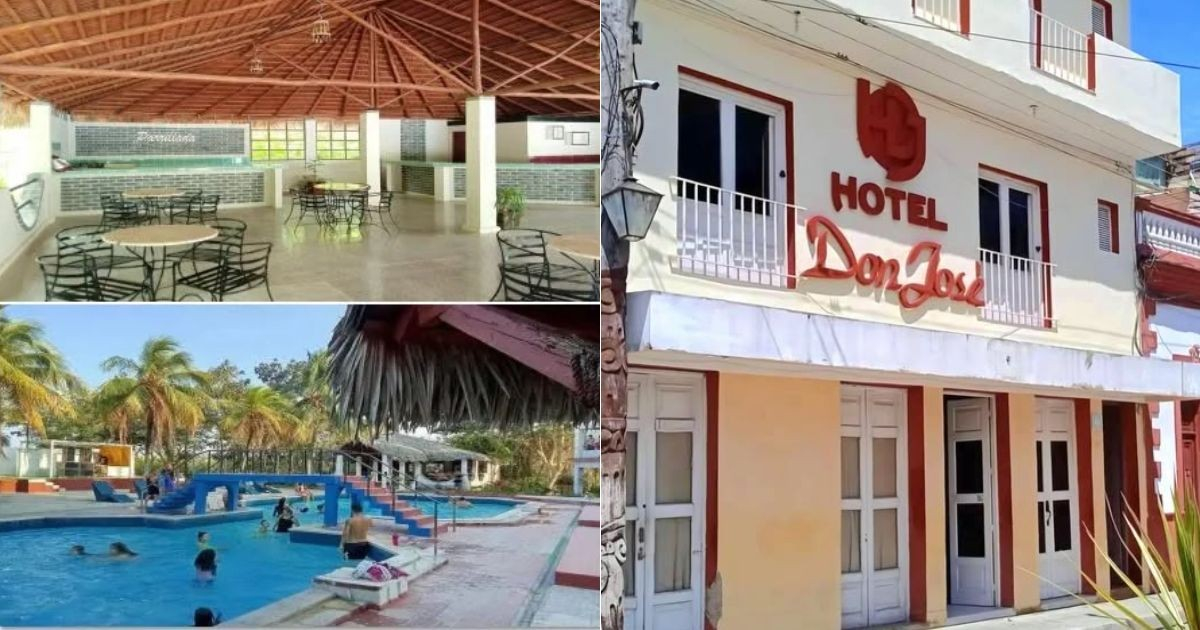
The Holguín Exhibition Center, known as EXPOHOLGUÍN, has announced a public tender as of October 29, inviting non-state economic actors to lease spaces and premises within its complex, highlighting it as a significant "Business Opportunity."
This official announcement, titled "Tender for Spaces or Premises 1/2026," was shared on EXPOHOLGUÍN's Facebook page and targets small and medium enterprises, self-employed individuals, and cooperatives interested in managing various facilities within the Holguín venue.
The available properties include the Fairgrounds—which feature exhibition areas, Expo-Plaza, a Grill, a Children's Park, a Gazebo, a Multipurpose Room, a Sublimation Area, parking, and covered spaces for diverse uses. Additionally, the tender covers the Turquino Hotel (Terrace, Bar, Restaurant, and Rooms), Don José Hotel, Villa Cristal (Bar, Grill, Pool, and Rooms), along with two lodging houses: the Patio of Casa la Ceiba and the Lobby of Casa Peralta 2.
Details and Deadlines for Submissions
Interested parties have a timeframe of 10 calendar days from the tender's announcement to submit their bids, with the closing date set for Friday, November 7, at 5:00 p.m. Submissions should be made in sealed envelopes and delivered to the Technical and Development Directorate of EXPOHOLGUÍN, located at Calle 1ra, No. 1, between Avenida Los Libertadores and Avenida Jesús Menéndez, in the Antonio Maceo district of Holguín.
The tender documentation specifies that "sealed envelopes will be opened at the Expoholguín Company on Monday, November 9, at 2:00 p.m., with a public notary present," and results will be communicated to all participants simultaneously.
Requirements and Responsibilities
Among the specific requirements, the tender document emphasizes the necessity for energy independence due to Cuba's severe energy crisis. It mandates that the lessee must ensure energy independence using Renewable Energy Sources. Additionally, the lessee is responsible for timely utility payments, covering all maintenance and repair costs, and must not transfer or re-lease the space. Upon contract completion, the leased property must be returned without any damage except natural wear and tear over time.
This tender is part of a broader trend in 2026 where state companies across various sectors have been leasing out management of their facilities to the private sector, while retaining ownership. In Holguín, CIMEX recently opened a tender for 13 commercial units to private actors in October, and the city's Wedding Palace was tendered in August.
Broader Context of Leasing Initiatives
Nationally, Islazul tendered bars, restaurants, and other spaces in 10 tourist facilities in Santiago de Cuba in September, while Tiendas Caribe tendered 17 locations in Havana in October. These processes are supported by the "Tender Law" Decree-Law, approved on August 20, 2026, and Decree-Law 120/2026, effective since September 9 of the same year.
The Expoholguín properties cover approximately 22,000 square meters, with over 6,000 square meters allocated for exhibition areas.
Economists have voiced concerns regarding what they describe as a questionable transfer of state assets to the private sector under conditions that often make the lessee responsible for the rehabilitation and maintenance costs of facilities that have suffered from years of poor state management.
Professor Pedro Monreal has criticized the short deadlines associated with some of these tenders, arguing that they "restrict competition, drastically reduce the number of real bidders, and benefit those with privileged information or contacts."
Key Questions about EXPOHOLGUÍN's Tender Process
What facilities are available for leasing at EXPOHOLGUÍN?
The facilities available include the Fairgrounds with exhibition areas, Expo-Plaza, Grill, Children's Park, Gazebo, Multipurpose Room, Sublimation Area, parking spaces, and covered areas. Additionally, the Turquino Hotel, Don José Hotel, Villa Cristal, and two lodging houses are included.
What are the key responsibilities of the lessee under this tender?
The lessee is required to ensure energy independence using renewable sources, make timely utility payments, handle all repair and maintenance costs, and must not transfer or re-lease the property. The property must be returned without damage beyond normal wear and tear.
Why have economists raised concerns about the tender process?
Economists are concerned about the terms that place the burden of rehabilitation and maintenance costs on the lessee, as well as the short deadlines that limit competition and potentially favor those with insider access.