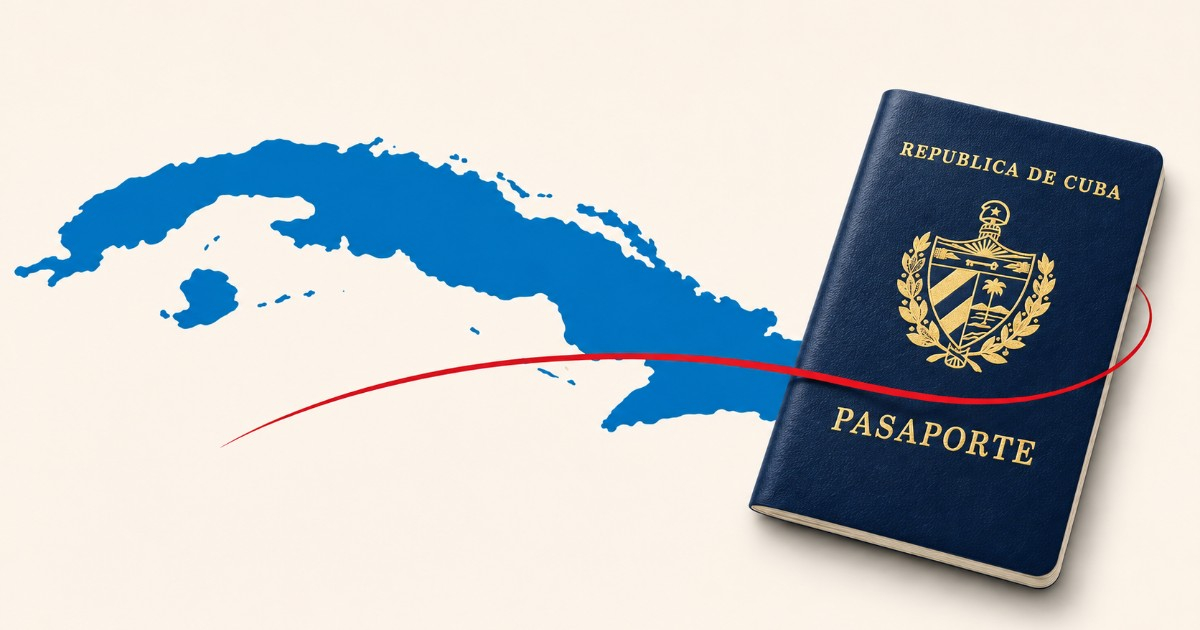
As of November 1, 2026, Cuba is implementing significant changes to its immigration policies that will impact citizens both on the island and abroad. These new regulations, which include the abolition of the previous 24-month overseas limit, also introduce the concept of effective migratory residence to determine who retains residency status in Cuba.
The newly enacted legislation comprises Law 171 on Migration, Law 172 on Citizenship, and Law 173 on Foreign Affairs, along with related regulatory measures published in the Official Gazette No. 39 on May 5, 2026. These regulations specified a 180-day period after publication before their implementation commenced.
Impact on Cuban Citizens Living Abroad
For Cubans residing in the United States, Spain, or other countries, the revised immigration rules effective this November will influence residency status, consular procedures, and citizenship matters. Notably, the enforcement of these laws does not necessitate replacing a valid passport nor does it automatically alter one's existing immigration status.
Removal of the 24-Month Overseas Limit
The revised framework eliminates the previous rule that linked being outside Cuba for more than 24 consecutive months to a status of emigration. This rule had been suspended for several years under a moratorium. The Migration Law now categorizes Cuban citizens as either residents in the national territory or residents abroad, including those habitually living outside Cuba, those already considered emigrated, and those obtaining investor or business status.
Criteria for Effective Residence in Cuba
Decree 136, which is a regulation under the Migration Law, empowers the Directorate of Identification, Migration, Foreign Affairs, and Citizenship (DIMEC) within the Ministry of the Interior to determine effective residence based on an accumulation of 180 natural days spent in Cuba during the year prior to evaluation. These 180 days do not need to be continuous.
For those with residency in Cuba who do not meet this threshold, the regulation allows for a residency application based on roots. This process requires more than 120 natural days of physical presence in the previous year, along with proof of other connections to Cuba.
Procedures for Emigrated Citizens and Dual Nationality
The status of being emigrated does not automatically cease on November 1. Individuals with this status can apply to be recognized as residents abroad, which is a separate process from obtaining residency within Cuba.
Applications must be submitted in writing to the relevant Cuban consulate, including explanations for the request, criminal records from the country of residence, and evidence of migration movements and departure routes from Cuba. When such information is absent from DIMEC systems, a sworn statement before a notary or consul is required.
Passport Requirements and Dual Citizenship
Passports and travel documents issued prior to the reform remain valid until their expiration. The new laws do not mandate renewal solely because of their enactment.
Cuban citizens must possess a valid Cuban passport or equivalent document to enter or exit Cuba, regardless of holding passports from countries like the United States or Spain.
The Citizenship Law maintains that acquiring another nationality does not result in the loss of Cuban citizenship. While in Cuba, individuals are regarded as Cuban and cannot invoke another nationality for legal purposes within the country.
Property Rights and Renouncing Cuban Citizenship
Article 31 of the Migration Law affirms that Cuban citizens living abroad have the right to use, enjoy, and dispose of their property according to applicable laws.
Renouncing Cuban citizenship, regulated under Law 172, requires the applicant to be over 18, possess another nationality, have no debts with the Cuban State, and not be serving a prison sentence or under legal prosecution in Cuba or abroad. The process is initiated at the Cuban consulate in the country of residence and becomes valid only upon acceptance by the competent authority.
Continued Restrictions on Entry and Exit
The reforms uphold the Cuban regime's broad authority to control citizens' movements. Articles 97 and 98 of the Migration Law allow the government to prevent departures or restrict entries under reasons like national security and public order or interest.
Human rights organization Cubalex has criticized the discretionary nature of these provisions and their impact on activists, independent journalists, and other Cubans excluded from national territory. They've also highlighted legal grounds for revoking citizenship due to actions abroad deemed contrary to the state's political, economic, or social interests.
For individual migration status inquiries, the regulations allow consultations at DIMEC offices and relevant Cuban consulates. Those seeking to alter their status or claim an exception must submit the appropriate application along with necessary documentation.
Frequently Asked Questions about Cuba's New Immigration Policies
What are the new residency criteria for Cuban citizens abroad?
Cubans living abroad now have the option to be categorized as residents abroad, and they can apply for this status through their local Cuban consulate. The requirement of being outside Cuba for more than 24 months is no longer applicable.
How can Cuban citizens prove effective residence in Cuba?
Effective residence is determined by having spent more than 180 days in Cuba within the preceding year. Those who do not meet this requirement can apply based on roots, demonstrating physical presence and other ties to the country.
Does acquiring another nationality affect Cuban citizenship?
No, acquiring another nationality does not lead to the loss of Cuban citizenship. While in Cuba, individuals with dual citizenship are considered Cuban and cannot invoke their other nationality for legal purposes.
What are the implications of the new laws on property ownership for Cubans living abroad?
Cuban citizens residing abroad retain the right to use, enjoy, and dispose of their property in accordance with existing laws. The new regulations do not affect these rights.
Are there any exceptions for maintaining Cuban residency while abroad?
Yes, exceptions exist for those abroad due to work, health, study, or similar reasons. These individuals can maintain their residency by proving their circumstances to the Migration Authority.