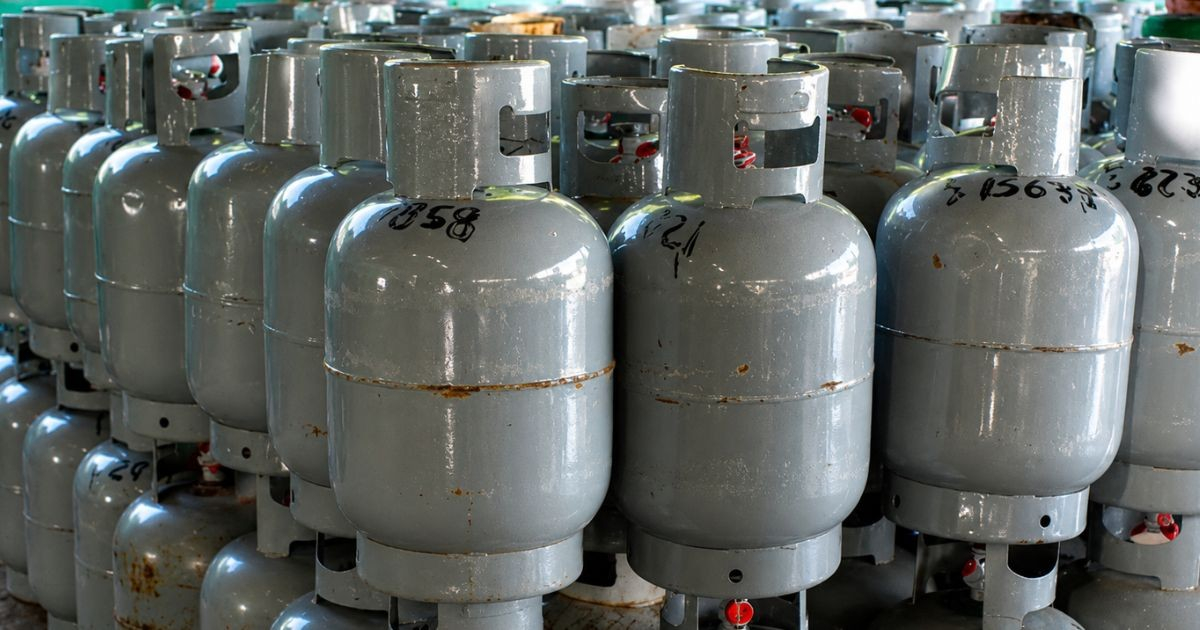
When buying liquefied gas for a relative in Cuba, there are three crucial things to verify before making a payment: whether the offer requires an empty cylinder to be exchanged, if it will be delivered to the recipient's address, and the total cost to complete the order. Conditions may vary between different offers, even if both contain gas.
Purchases are typically made through an online platform, with payment coming from outside of Cuba and a recipient on the island. The initial step is to speak with the family member in Cuba: knowing if they already have a cylinder, its capacity, and the equipment they use prevents ordering something that cannot be received or connected.
Where to Find Liquefied Gas Offers for Cuba
Supermarket23 offers various liquefied gas products, each with unique features. For instance, one listing is for a 10-kilogram LPG with a cylinder exchange, while another is a 7-kilogram gas without the exchange requirement. Understanding the specific product details is essential to identify what will be delivered and what the recipient must provide.
Katapulk is another platform that has sold gas cylinders. When comparing their offers, it's important to check the listed seller, selected location, and specific conditions of the order. News about the launch of gas sales in these stores can provide background information, but the current catalog's prices and delivery areas are what matter.
KMCERO also lists a 10-kilogram liquefied gas product for Havana, with PROGAS as the provider. Before purchasing, ensure you check the payment and reception conditions in your account and on the product page. Just because a product appears on a store's homepage doesn't guarantee delivery in any municipality.
Understanding Cylinder Exchange vs. Full Cylinder Purchase
In an exchange purchase, the recipient gives an empty cylinder and receives a full one. For example, Supermarket23's 10-kilogram LPG offer requires an empty container of equivalent capacity that meets safety and technical standards. Failure to comply could result in delivery rejection.
An offer without an exchange allows the purchase without needing an empty container. Still, it's important to read what's included: the cylinder, amount of gas, and any accessories if applicable. The 7-kilogram no-exchange option includes a metal cylinder, but doesn't automatically include a hose, regulator, or installation.
Before choosing a different cylinder than the one your family uses, confirm its compatibility with the valve, regulator, and stove through the provider or a technician. A similar image isn't enough to ensure compatibility.
Verifying Coverage and Delivery
First, input the province, municipality, and complete address. Then, verify if the gas offer is available for that destination. Supermarket23 notes that certain products might have territorial limitations, even if the platform distributes other items in broader areas.
Also, confirm whether the order will be delivered to the home or must be picked up at a collection point, the indicated timeframe, and when it starts. If multiple products or suppliers are involved in the order, they might arrive separately. The delivery of food doesn't automatically confirm the gas delivery.
Provide the recipient's name, a reachable phone number, and an address without confusing abbreviations. If someone else will receive the order, notify the store according to their procedure; don't assume it will be handed to any neighbor.
Calculating the True Cost Before Payment
Compare the total purchase amount: product price, shipping, any charges appearing in the order, and any bank fees for foreign currency payments. Check if there's a minimum purchase requirement that necessitates additional items.
To compare gas quantities, divide the total cost of each order by the kilograms of gas each offer contains, but do so among equivalent types. A 10-kilogram exchange and a 7-kilogram product with its own container address different needs. The lowest advertised price isn't always the best choice for your family.
Check the currency used for payment and accepted payment methods before confirming. Save the receipt, order number, and a screenshot of the listing with the accepted delivery conditions.
What to Inspect Upon Receiving the Cylinder
The recipient should verify they receive the product and amount described in the order, and report any damage or discrepancies before accepting the delivery. If there's an exchange involved, have the required empty cylinder ready for the vendor.
The exchange listing from Supermarket23 specifies that the product is delivered sealed and doesn't include installation. Receiving the cylinder and connecting it to the stove are separate steps; if there are doubts about the equipment or connections, consult with a technician.
What to Do If the Order Doesn't Arrive or Has Issues
Contact the platform's official channel and identify the purchase by order number, date, and receipt. Describe what's missing or the issue, and keep records of communications and photos of the product received.
Supermarket23 allows initiating a claim from the order details and lists support channels on its contact page. Katapulk provides a help center with sections on deliveries, payments, and cancellations.
Before requesting a cancellation, check the order status and applicable conditions. At Supermarket23, cancellation possibilities vary depending on the order processing stage. Request that responses about returns, replacements, or new deliveries be documented in writing.
FAQs on Purchasing Liquefied Gas for Cuba
How can I ensure the gas order reaches the correct location in Cuba?
To ensure the gas order reaches the correct location, input the full address, including province and municipality, and confirm the delivery area is covered by the offer.
What should I do if the gas cylinder arrives damaged?
If the gas cylinder arrives damaged, report the issue before accepting the delivery and provide documentation to the platform's support channel.
Are there additional fees when purchasing gas for Cuba from abroad?
Yes, additional fees may include shipping, transaction fees from your bank for foreign currency payments, and possible minimum order requirements.