Holguín-based writer and chronicler José Poveda Cruz took to Facebook this past Friday to voice his concerns about certain private merchants who are allegedly hoarding essential items like soap. He claims they are doing this to create scarcity, driving up demand so they can later sell these products at inflated prices.
In his piece titled "Modus Operandi," Poveda recounts his experience of visiting various shops in what is known as the "City of Parks" in search of necessary goods. He found that soap, both for bathing and laundry, was conspicuously absent from the shelves.
Two shopkeepers informed him that the soap had been "put away." Poveda questioned this reasoning, suggesting instead that the products were hidden to wait for a price surge.
The writer described this tactic as a speculative practice seen with various items. "First, the product vanishes, then the need emerges, followed by mounting anxiety, until finally someone figures out it can be sold at a much higher price," he wrote.
Poveda also noted that this pattern is not new and has been observed with other essentials like cooking oil. These items disappear from the market only to reappear when consumers are desperate enough to pay more.
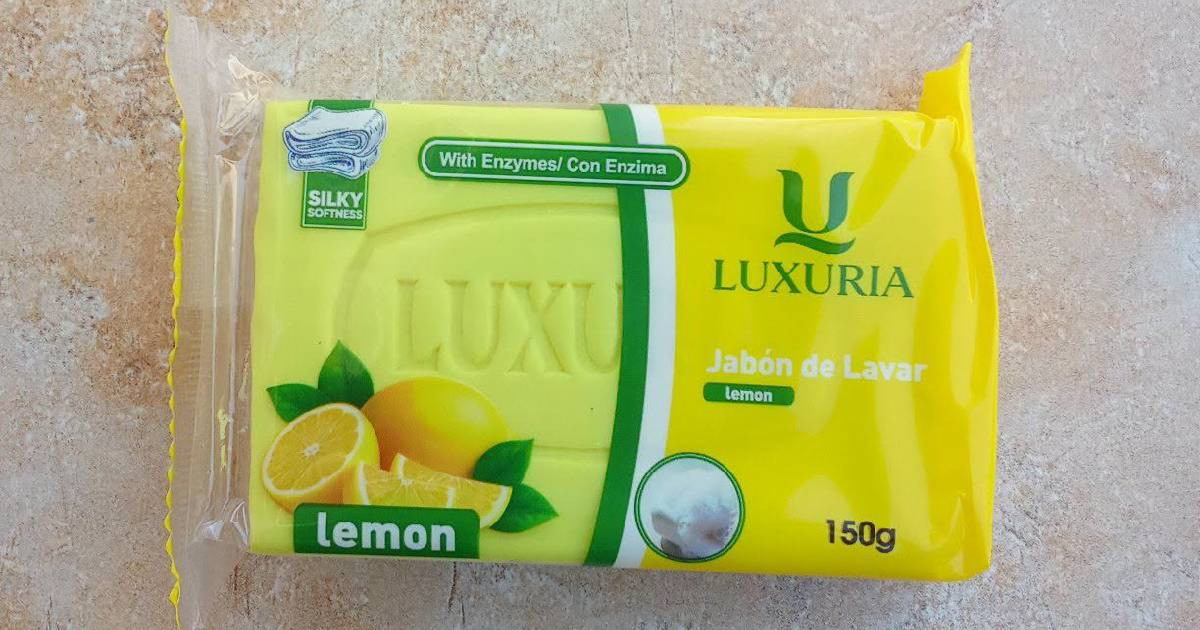
After trekking across half the city, Poveda managed to procure a 150-gram bar of laundry soap for 700 Cuban pesos. This ordeal led him to coin the term "confectionery capitalism," describing a "ruthless, predatory" system where every fellow citizen becomes a business opportunity.
His account also highlighted other market distortions. He observed that bags of charcoal were being split into smaller portions to be sold individually for more profit, while imported sugar was being sold for around 1,200 pesos per kilogram.
Comments on his post painted a wider picture with input from consumers in other areas. One commenter noted that in her locality, sugar was priced at 1,500 pesos per kilogram, a 500-gram pack of detergent cost 1,100 pesos, milk reached 5,000 pesos per kilogram, and coffee had disappeared entirely.
Another person reported a 200-peso increase in the price of a bar of bath soap in just two days, while someone else found them selling for 550 pesos in their neighborhood.
Several users also questioned the lack of government oversight. "The state no longer intervenes, no controls, no measures," one remarked. Another wondered when consumer protection agencies would start fulfilling their duties.
Poveda concluded his narrative with a nod to the 1990s, recalling how he learned to bathe with ash due to hygiene product shortages. "You develop certain skills. Pure survival," he noted.
The grievances come amid a backdrop of steadily rising prices for basic goods. According to the National Office of Statistics and Information, Cuba's cumulative inflation hit 24.85% during the first nine months of 2026, with food accounting for 73.39% of the monthly price index change.
In some of the new neighborhood markets in Holguín province and elsewhere, a pound of chicken was recently selling for 900 pesos, and a carton of eggs surpassed 3,500 pesos, exceeding the monthly minimum wage of 3,210 pesos.
Understanding the Economic Challenges in Cuba
Why are basic goods disappearing from Cuban markets?
Merchants are reportedly hiding essential items like soap to create scarcity, which allows them to sell these products at higher prices later.
What is "confectionery capitalism" as described by José Poveda Cruz?
Poveda uses this term to describe a predatory economic system where individuals exploit each other for financial gain, treating people as mere business opportunities.
How has inflation affected the cost of living in Cuba?
Inflation in Cuba has significantly increased, with food prices contributing to a 24.85% rise in the price index in 2026. This has led to basic goods being priced beyond the reach of many citizens.