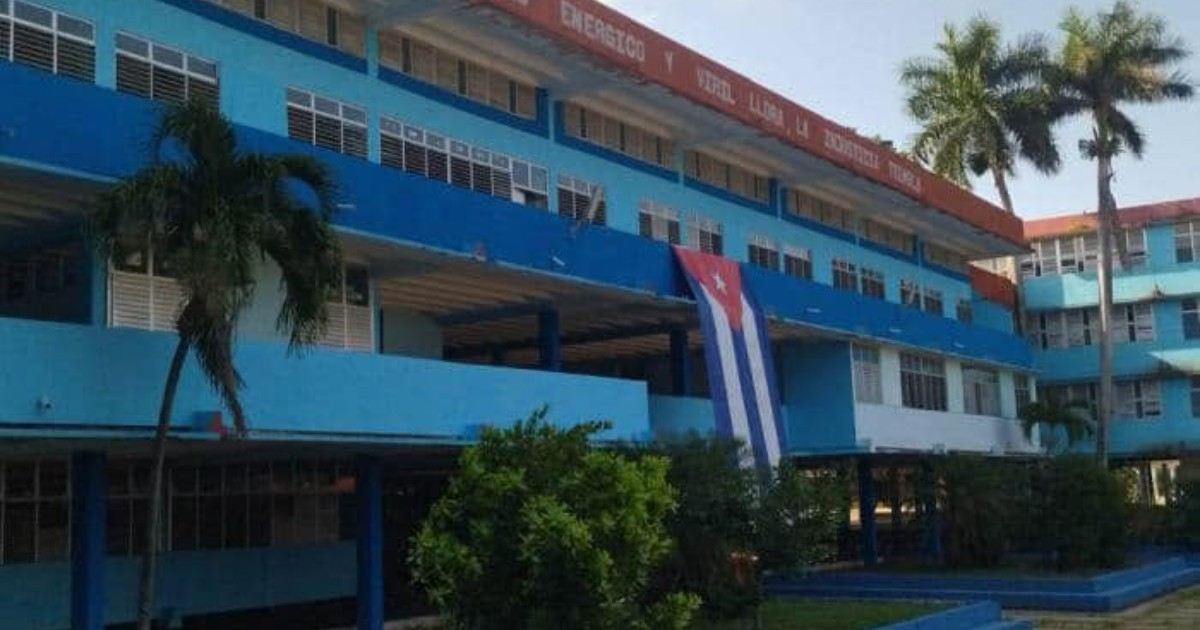
Roxana Calzadilla, a 16-year-old synchronized swimmer from Villa Clara, recently decided to leave the Escuela de Iniciación Deportiva Escolar (EIDE) "Mártires de Barbados" in Havana's Cotorro municipality. This pivotal decision not to return for her third year of secondary education highlights the dire situation in Cuban sports boarding schools.
In an interview with IPS Cuba, Calzadilla cited a critical lack of medical supplies as the tipping point for her departure: "Last year, I got sick, and the school's health area didn't even have a pill to lower my fever. I don't want to endure such hardships again; I'd rather be at home with my family."
While she acknowledges that leaving could hinder her athletic career, she believes the conditions at the boarding school, locally referred to as "beca," are intolerable.
The Broader Crisis Affecting Cuban Sports Schools
Calzadilla's experience is not unique. The "Mártires de Barbados" school is part of a network of elite boarding schools in Havana, including the Instituto Preuniversitario Vocacional de Ciencias Exactas (IPVCE) "Vladimir Ilich Lenin" and the National Art School, all suffering from the same systemic crisis.
At the Lenin school, which began the 2026-2027 academic year without breakfast and with frequent power outages, the situation is equally dire. With more than 1,200 students enrolled, the dining hall offers only lunch and dinner, consisting of rice, peas, and mashed root vegetables. Families must provide protein and breakfast themselves.
Impact on Students and Families
Water supply issues are rampant, with the second, third, and fourth floors of the dorms receiving no water. Claudia Alcántara, a tenth-grade student, described the nighttime conditions: "There's only electricity for a few hours a day. Once classes end and we return to the dorms, it's very challenging to stay in the dark all the time."
The school's cafeterias have been leased to private businesses, with prices students find exorbitant. The gym, sports court, and cinema have been out of service for over five years. Medical attention relies partly on external donations, such as those from the project "A Cuba hay que quererla," coordinated by Dr. Amado Riol.
Official Acknowledgments and Parental Concerns
Even Education Minister Naima Trujillo acknowledged the challenges facing the new school year during her August 27th briefing: "We are starting the year with all these difficulties."
Dailin Santana, mother of a Lenin student, voiced the concerns of many families in a message to authorities: "Let this serve as a wake-up call for education officials, the Electric Union, the Communist Party of Cuba, Aguas de La Habana, and everyone who cares about the school's success. Ensure the future scientists don't have to carry water, are properly fed, and have reliable electricity."
Widespread Deterioration Beyond Havana
The fuel crisis further complicates matters, restricting leave from the boarding school to every 15 days, increasing both the duration of stays and the financial burden on families. The decay is not limited to the capital. The EIDE Lino Salabarría in Sancti Spíritus reduced its boarding capacity from 300 to just 100 students this year. In May, students had to find their own way home for vacation due to fuel shortages.
Similarly, the EIDE Julio Díaz in Artemisa began the year with leaky dorms, broken windows, and deteriorating sports facilities. On a national level, the Instituto Nacional de Deportes (INDER) reported 13,350 students enrolled in boarding programs across the country’s EIDE schools for the 2026-2027 academic year, with the 2027 Pan American Games in Lima as a primary goal.
However, sports journalist Carlos Hernández Luján warns that "much of Cuba's sports infrastructure has been lost" due to athlete emigration and economic constraints.
Common Questions About Challenges in Cuban Sports Schools
Why did Roxana Calzadilla leave the EIDE "Mártires de Barbados"?
Roxana Calzadilla left the school due to inadequate medical resources, which led her to prioritize her well-being and return home to her family.
What challenges do students face at the Lenin school?
Students at the Lenin school face issues such as inadequate food supply, frequent power outages, insufficient water, and the high cost of cafeteria food.
How have families responded to the conditions in these schools?
Families have expressed their concerns to authorities, urging them to improve conditions to ensure the well-being and proper education of their children.