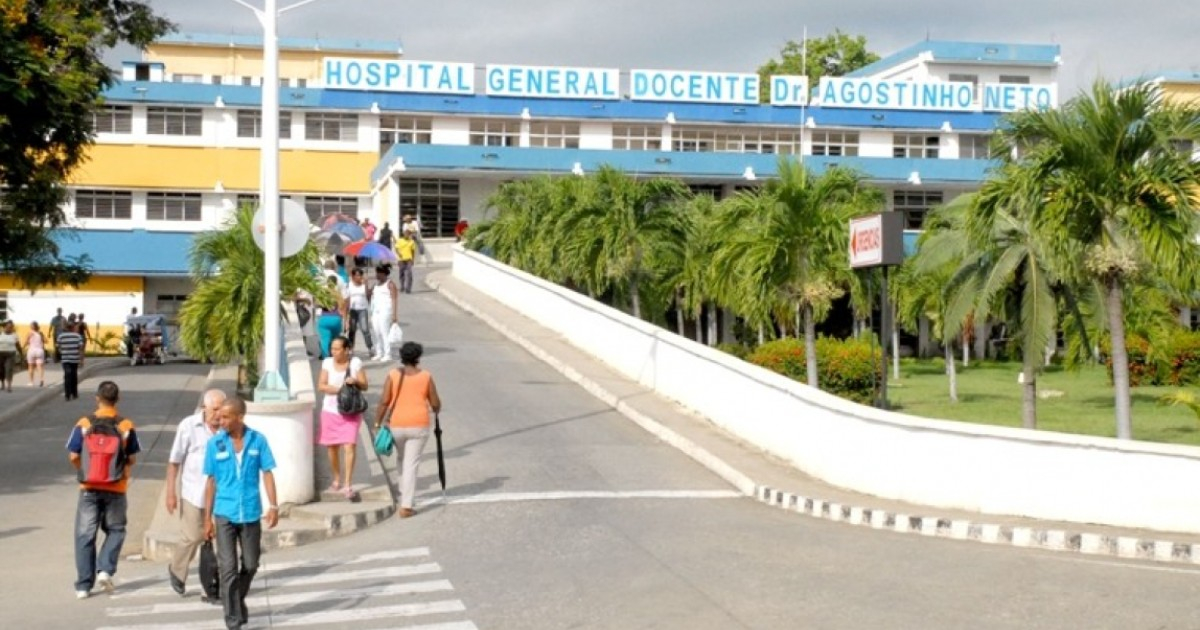
In the province of Guantánamo, more than 3,000 individuals are currently on a waiting list for surgical procedures, with over 300 of them being cancer patients. This troubling statistic was shared by Roberto Javier Torres Bronfield, director of the Agostinho Neto General Teaching Hospital, during an interview with the state-run newspaper Granma.
Torres Bronfield highlighted the severe shortage of essential equipment as a key factor contributing to this backlog. The hospital, the largest healthcare facility in the province, is critically lacking in surgical machines, tables, and lamps.
The situation is exacerbated by a scarcity of anesthetics. "We have a very limited supply of anesthetics, forcing us to reserve them for emergencies and the Maternal and Child Program," the director stated.
Healthcare Challenges Beyond Surgery
Guantánamo's healthcare issues extend beyond surgical delays. In October, a malfunction in the water treatment plant filters at the Octavio de la Concepción and Pedraja hospital in Baracoa disrupted hemodialysis services for 48 chronic kidney patients from Maisí, Imías, and Baracoa, necessitating their urgent transfer to Agostinho Neto, located over 50 kilometers away through mountainous terrain.
To accommodate these patients, four machines and necessary supplies were transported from Baracoa. Paulo Valier Creach, head of the hemodialysis service at Agostinho Neto, noted that a new area was set up, expanding capacity from 14 to 18 positions to serve the more than 140 patients needing treatment throughout the province.
Potential for Worsening Conditions
Torres Bronfield warned of the potential for further deterioration: "The failure of the active plant is a constant threat, and we have experienced similar issues in this area before."
The impact of this healthcare crisis is deeply felt by the community. Ruth María Méndez Fuentes, a patient from Cayo Guín, Baracoa, has been unable to return home for nine months due to a lack of fuel for transportation to the hospital for her thrice-weekly visits.
The decline of the healthcare system in Guantánamo has been ongoing for months. From January to August 2026, the infant mortality rate in the province was recorded at 14 per 1,000 live births, significantly higher than the national average of 9.9.
In September, patients from Maisí reported having to sleep on mattresses on the floor in Baracoa, without access to electricity or potable water, while awaiting their hemodialysis sessions.
The surgical backlog is not unique to Guantánamo; nationwide, the waiting list surpassed 100,000 people in July, with approximately 5,152 awaiting cancer-related surgeries.
Frequently Asked Questions about Guantánamo's Healthcare Crisis
What are the main reasons for the surgical backlog in Guantánamo?
The backlog is primarily due to a lack of essential surgical equipment, including machines, tables, and lamps, as well as a shortage of anesthetics.
How has the water treatment plant malfunction affected patients?
The malfunction disrupted hemodialysis services for chronic kidney patients, requiring them to be transferred to another hospital over 50 kilometers away.
How does Guantánamo's infant mortality rate compare to the national average?
Guantánamo's infant mortality rate is 14 per 1,000 live births, notably higher than the national average of 9.9.