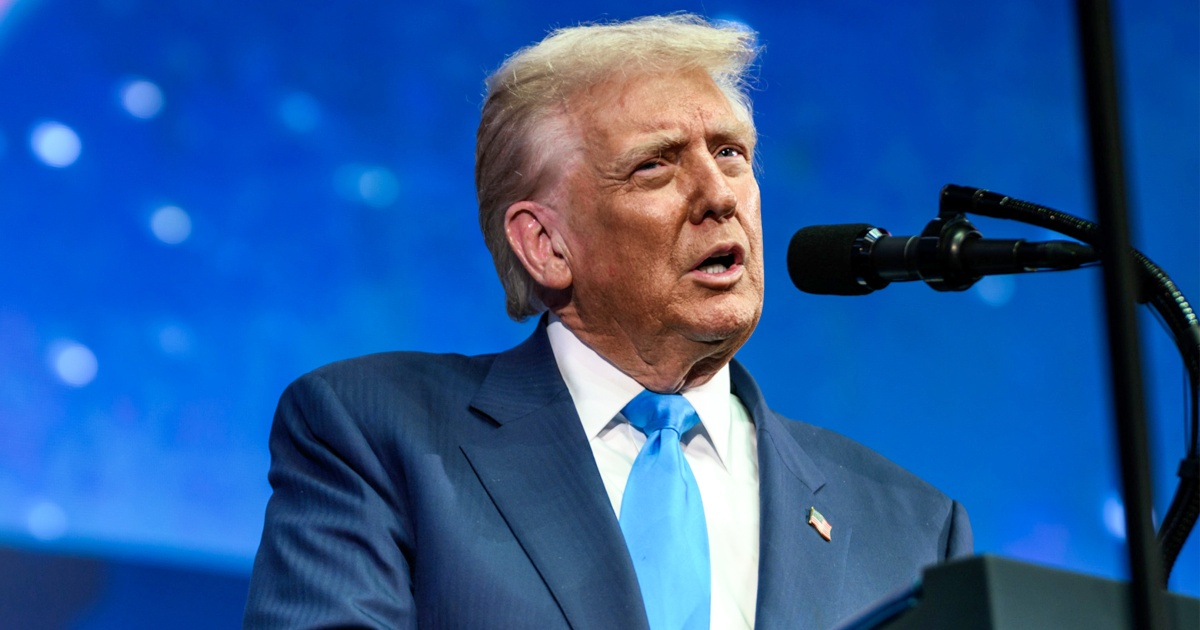
With just five days left until the November 3 midterm elections, an analysis by the Associated Press released Thursday highlights that Donald Trump's aggressive immigration policies—a cornerstone of his return to the White House—are causing growing backlash that could hurt Republicans at the ballot box.
Authored by Tim Sullivan and Nicholas Riccardi, the article outlines how the border chaos that dominated headlines during the 2024 campaign has been replaced by images of violent raids in American cities.
Escalating Tensions: Minneapolis as a Turning Point
The situation reached a critical point in January 2026 in Minneapolis, where over 2,000 federal agents were involved in operations using unmarked vehicles and masked officers. Tragically, two American citizens, Renee Good and Alex Pretti, both aged 37, lost their lives during these operations.
Despite efforts to manage the fallout, including the removal of Border Patrol Chief Gregory Bovino and Homeland Security Secretary Kristi Noem, arrests surged back to record levels—nearly 51,000 in August, according to the Department of Homeland Security, compared to 49,000 in July and 43,000 in June.
Impact on the Republican Party
The Migration Policy Institute predicts that deportations for fiscal year 2026 will be around 660,000, falling short of the administration's one million annual goal. Democratic Senator Chris Van Hollen of Maryland criticized the administration, stating, "The American people wanted strong border security but instead got constitutional erosion, mass deportations, and the death of American citizens in the streets of Minneapolis."
AP's analysis also highlights internal rifts within the Republican Party, exemplified by Cuban-American Congresswoman María Elvira Salazar from Florida's 27th District. In September, she recorded a campaign ad outside the White House, declaring that Trump's immigration policies "have gone too far," warning that Hispanic voters who supported him in 2024 may feel "betrayed."
Salazar is also an advocate for the Dignity Act, a bipartisan initiative that would grant legal status to immigrants without criminal records who arrived before December 31, 2020, contingent upon paying back taxes and a restitution fee of approximately $7,000.
Community Reactions and Political Dynamics
In contrast, a robocall from the Democratic super PAC Battleground Alliance, deemed "largely accurate" by PolitiFact, accused her of voting for $83 billion in funding for Immigration and Customs Enforcement (ICE), including money for new detention centers and 10,000 additional agents.
This political climate is particularly intense for the Cuban-American community in Miami-Dade. According to the FIU Cuba Poll 2026, 76% oppose deportations of Cubans without criminal records, and 87% demand the resumption of processing immigration benefits. Among Cubans who arrived after 2020, opposition to deportations soars to 92%.
Despite this opposition, 68% of those surveyed indicated they would vote for Republican candidates on November 3, suggesting that disapproval of immigration policies does not necessarily translate into a party switch.
Meanwhile, Trump shows no signs of softening his rhetoric. At a recent rally in Florida, he accused Democrats of allowing migrants to "flood American borders from all over the world," issuing a stark warning: "If they win in the midterms, they'll do it again."
National polls reveal a shift among Hispanic voters: an NBC News and Telemundo survey from early October shows Hispanics favor Democratic control of Congress by 59% to 35%, a 24-point lead that doubles the margin from the same poll in 2024.
Understanding the Impacts of Trump's Immigration Policies
What was the turning point in Trump's immigration crackdown?
The turning point occurred in January 2026 in Minneapolis, where operations involving over 2,000 federal agents resulted in the deaths of two American citizens, sparking significant backlash.
How are the immigration policies affecting the Republican Party?
The aggressive immigration stance has caused divisions within the Republican Party, with some members like Congresswoman María Elvira Salazar criticizing the policies and suggesting they may alienate Hispanic voters.
What does the Dignity Act propose?
The Dignity Act is a bipartisan proposal that would allow immigrants without criminal records who arrived before December 31, 2020, to gain legal status by paying back taxes and a restitution fee.