The Cuban Prison Documentation Center (CDPC) has filed a report with the Inter-American Commission on Human Rights (CIDH) highlighting a disturbing practice by the Cuban regime: leveraging family visits as a means of control and punishment over incarcerated women in Cuba.
This report was submitted on Tuesday during a regional hearing in Panama, addressing the plight of imprisoned women. The hearing was part of the CIDH's 197th Session and included participation from organizations in Guatemala, Colombia, Mexico, and Cuba.
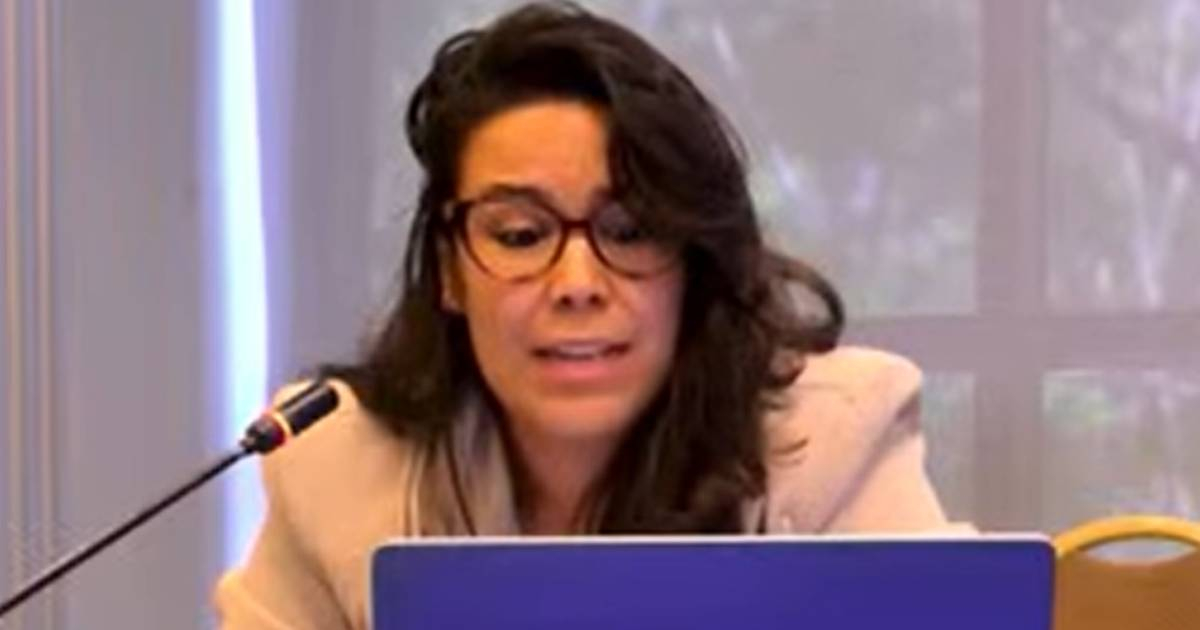
Camila Rodríguez, who heads the CDPC, outlined the core of the complaint to the commissioners: Cuban prisons fail to provide essential food, medicine, and hygiene products, forcing families—typically mothers, sisters, and daughters—to supply these needs during visits.
“A visit is not just a time for emotional connection; it’s the means through which the state’s neglected responsibilities are fulfilled,” Rodríguez explained.
The real issue, she emphasized, lies in the fact that prison authorities have arbitrary control over these visits. “The same government that offloads the burden of supporting incarcerated women onto families also controls access to these essential visits. This omission by the state transforms into a tool of control,” she pointed out.
The CDPC has documented specific instances. In 2025, a mother was barred from visiting her daughter, a political prisoner, at least nine times for reasons such as wearing white or an alleged chikungunya outbreak. In January of this year, the confiscation of medicine during a visit led to a complete ban on family contact. “Both the inmate and her family are punished for attempting to provide what the state does not,” Rodríguez lamented.
Additional cases include threats to remove children from their mothers and transferring inmates to distant prisons. One mother of five young children was unable to see or speak with them for over six months after being relocated to a faraway facility.
Rodríguez also recounted an incident involving a woman placed in solitary confinement following a dispute with an official. She was found dead hours later. Her family disputes the official account, and her body was taken to a legal medicine facility without family presence. In September, another mother reported her daughter self-harmed after a prolonged period without being able to call her family.
Between 2022 and 2026, the CDPC recorded 306 human rights violations against female prisoners in Cuba, including severe impacts on reproductive health and inadequate medical care.
The organization urged the CIDH not to consider restrictions on family contact as mere disciplinary actions. “When a woman relies on her family for food and medicine, limiting this contact jeopardizes her personal integrity and extends the punishment to those not convicted, which violates Article 5.3 of the American Convention,” Rodríguez asserted.
In a broader context, Justicia 11J—a related initiative—has documented at least 869 protests in Cuba since the start of 2026. Between late last year and this year, around 60 women have faced arrests or legal proceedings, with some currently serving sentences. Rodríguez warned that these figures likely underestimate the situation, as families fear reporting the treatment of their incarcerated women due to possible repercussions and persecution.
The hearing concluded with several requests to the CIDH: banning the suspension of visits and calls as disciplinary measures, prioritizing alternatives to incarceration for vulnerable women, and recognizing external caregivers as rights holders. On the same day, CIDH President Stuardo Ralón called on the Cuban regime to stop harassing religious leaders and to release prisoners of conscience.
Understanding Human Rights Violations in Cuban Prisons
What is the main complaint against the Cuban regime regarding female prisoners?
The main complaint is that the Cuban regime uses family visits as a tool of control and punishment over incarcerated women, failing to provide basic necessities and placing the burden on families.
How does the lack of state support affect the families of prisoners?
Families are forced to provide food, medicine, and hygiene products, and the authorities' arbitrary control over visits can punish both the prisoners and their families.
What kinds of human rights violations have been documented?
Violations include barring visits, confiscating medications, threats to remove children from mothers, inadequate medical care, and severe impacts on reproductive health.