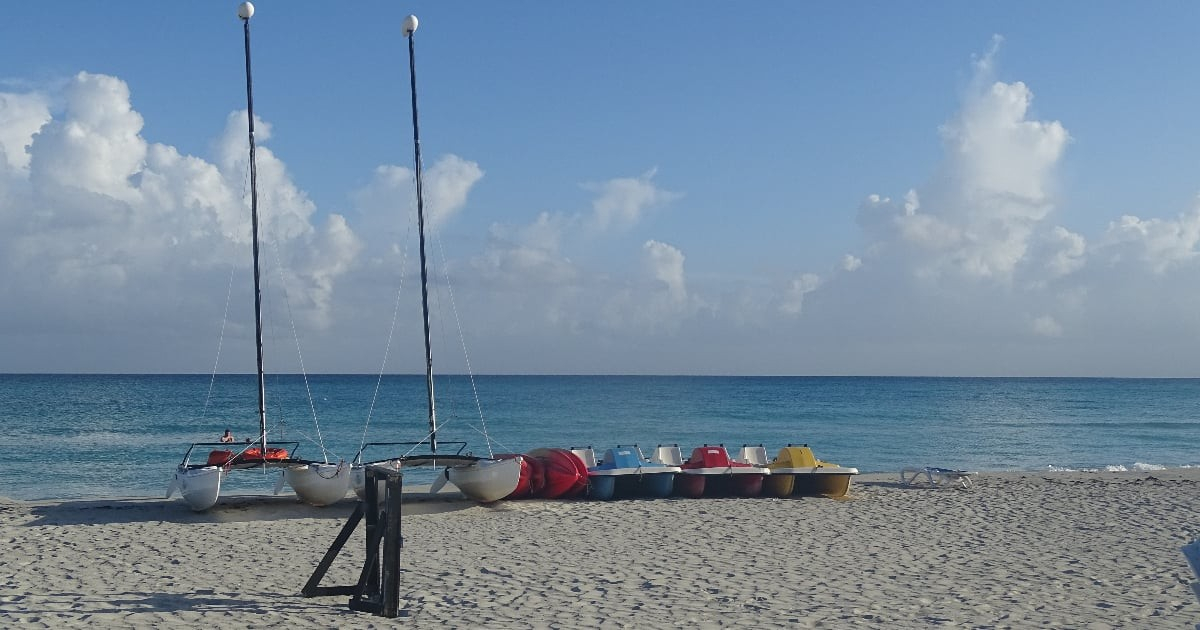
Despite the recent economic reforms introduced by the Cuban government to entice foreign investments and open the tourism sector to private enterprises, international experts remain doubtful about a swift resurgence in tourism for the island. They cite the ongoing energy crisis, U.S. restrictions, and business barriers as significant hurdles.
On October 26, Travel Weekly, a U.S. magazine dedicated to the travel industry, published a report featuring insights from academics and business leaders who acknowledge the necessity of the reforms but question their immediate effectiveness in reviving tourist numbers.
Paolo Spadoni, a Social Sciences professor at Augusta University in Georgia and author of a book on the challenges of Cuban tourism, noted that while the shift in the economic model is a positive step, it arrives at an inopportune time. "They want to change the model, which is good, but the current conditions are not conducive to reaping its benefits," he stated.
The scholar highlighted the slim chances of attracting substantial investments under the present circumstances, particularly following the departure of major international hotel operators and the worsening economic conditions in Cuba.
Investment Opportunities Open Amidst Tourism Struggles
Newly published regulations in Cuba's Official Gazette in September expand opportunities for private and foreign participation in tourism. These include the creation of private travel agencies and new management models for hotel facilities. According to Cuba's Tourism Office in Toronto, key updates include the establishment of hotels with entirely foreign capital, private operation of travel agencies, and vehicle rental companies, alongside new provisions for managing supplies and leasing hotel facilities.
The reforms also allow for private investments in areas of tourist and heritage interest, including Old Havana. The changes facilitate foreign investments with measures such as direct hiring of workers and the ability to operate foreign bank accounts without prior authorization from the Central Bank of Cuba.
However, these adjustments emerge during a severe crisis in the tourism industry. Official statistics from the National Office of Statistics and Information (ONEI) reveal that between January and August 2026, Cuba welcomed only 450,353 international visitors—a drop of 64.4% compared to the same period the previous year.
The downturn affects businesses still marketing trips to the island. Sarah Arizaga, sales manager at Cuban Adventures, shared with Travel Weekly that the company secured fewer than 40 bookings throughout 2026. Although many travel types for Americans to Cuba remain authorized, restrictions and the perception of potential legal issues deter potential travelers.
Similarly, Cuba Explorer reported that its last client visited the island in March. Despite the challenging outlook, some operators see the entry of new businesses as a chance to boost competition, enhance services, and introduce innovations in Cuba's tourism offerings.
Potential for Growth and Modernization Amid Challenges
Arizaga emphasized Cuba's vast potential for developing hotels, attractions, and tourist experiences through private capital involvement. She believes the new opportunities could modernize facilities, improve infrastructure, and elevate service quality, although outcomes will depend on the actual operating conditions.
David Lee, founder of Cultural Cuba, also viewed positively the prospect of Cubans themselves developing businesses as tour guides, hosts, restaurateurs, and cultural entrepreneurs. However, he cautioned that Havana's announced openness does not guarantee seamless business operations.
For the reforms to succeed, Lee explained, viable licensing, banking services, and appropriate operational conditions are essential. He also noted that Cuba's permissions do not eliminate U.S. restrictions on its citizens and companies. "We see a promising new direction, not an overnight transformation," he summarized.
Government Seeks Investors Amidst Widespread Hotel Closures
Experts' assessments align with the Cuban government's efforts to integrate new economic players into an industry historically touted as a key revenue source for the island. In October, Cienfuegos tourism authorities offered seven facilities and projects to private investors, foreign entrepreneurs, and Cuban expatriates.
This initiative involves leasing and refurbishing long-unused tourist properties. Concurrently, authorities acknowledge the crisis's severity. In July, Prime Minister Manuel Marrero Cruz noted that 73% of the country's hotel facilities remained closed, with approximately 25,000 sector workers without assigned duties.
The fuel shortage, power outages, and challenges in maintaining air connections have exacerbated the deterioration. This impact extends to small private businesses reliant on foreign visitors. In Viñales, a prime Cuban tourist spot, entrepreneurs and workers have reported months without income and business closures.
Meanwhile, U.S. restrictions continue to limit part of the market. New regulations effective September 30 affect specific educational and professional travel categories to Cuba. Terry Dale, president of the U.S. Tour Operators Association (USTOA), expressed opposition to these restrictions and affirmed the organization's commitment to advocating for changes that would restore group educational travel between the two nations.
Understanding Cuba's Tourism Challenges and Opportunities
What are the main reasons for the slow recovery of Cuba's tourism industry?
The primary reasons include the ongoing energy crisis, U.S. restrictions, and various business barriers. These factors significantly impede the growth and recovery of the tourism sector despite new reforms.
How do the new reforms aim to boost the tourism sector in Cuba?
The reforms aim to attract foreign and private investment in tourism by allowing the creation of private travel agencies, foreign-capital hotels, and new management models for hotel facilities. These changes are designed to foster competition and innovation.
What impact do U.S. restrictions have on American travelers to Cuba?
U.S. restrictions limit certain travel categories, creating a perception that visiting Cuba could be illegal, which discourages potential travelers and affects the tourism industry's overall recovery.
What are the potential benefits of Cuba's tourism reforms?
The potential benefits include increased competition, improved services, and the introduction of innovations in tourism offerings. These could lead to modernized facilities, better infrastructure, and enhanced service quality.