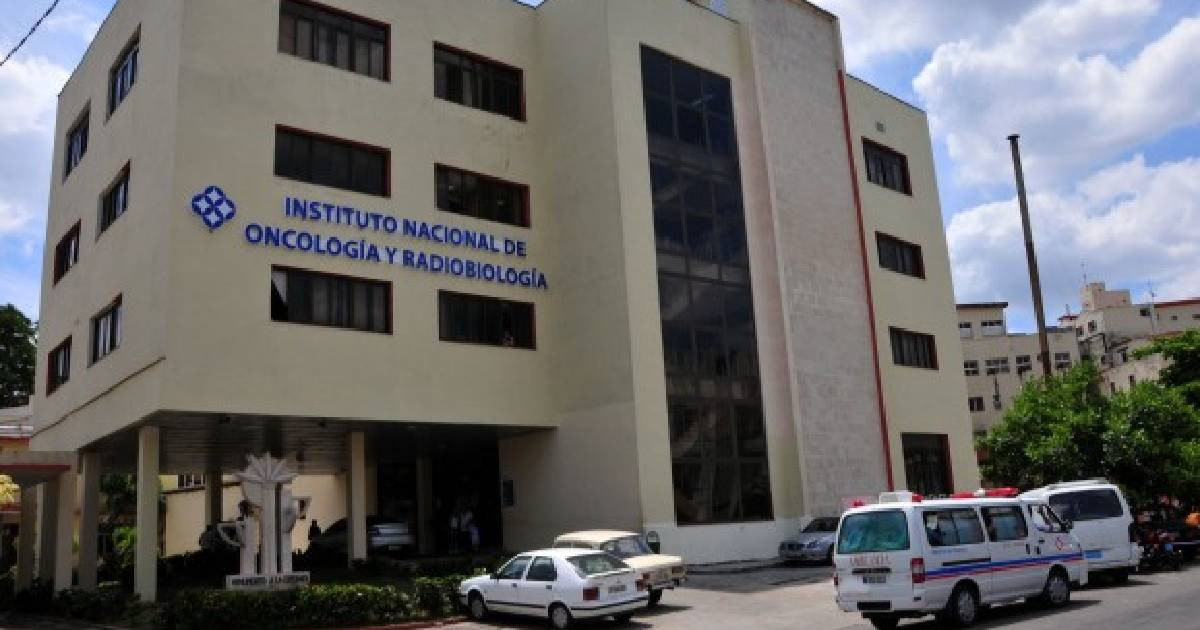
The 2024 Health Statistical Yearbook from the Ministry of Public Health (MINSAP), released in September 2025 with preliminary data, highlights a continuous rise in the years of potential life lost (YPLL) due to major chronic diseases in Cuba.
According to Table 17 of the report, the overall rate of this measure per 1,000 individuals aged one to 74 increased from 76.3 in 2023 to 81.8 in 2024.
The YPLL is a standard epidemiological tool that assesses the collective impact of premature deaths on a reference population, giving more weight to early deaths rather than specifying how many years each deceased person lost.
For example, an individual who dies at 40 contributes 35 YPLL (75 minus 40). If a hundred people die at this age from the same cause, the result is 3,500 YPLL. The rate is expressed per 1,000 individuals within the one to 74 age group, not per deceased person or the total population.
Leading Causes of Premature Death
Malignant tumors top the list with 20.3 YPLL per 1,000 people (up from 19.5 in 2023), followed by heart diseases at 16.4 (previously 14.5), cerebrovascular diseases at 5.3 (previously 4.9), and diabetes mellitus at 2.1 (previously 1.7).
The yearbook's introduction acknowledges that the YPLL rate has risen for heart diseases, malignant tumors, cerebrovascular diseases, influenza and pneumonia, accidents, arterial diseases, and diabetes mellitus.
Rising Trends in Chronic Diseases
An analysis by Diario de Cuba reported on Tuesday that between 2019 and 2024, YPLL rates increased by 40% for diabetes, 32.5% for cerebrovascular diseases, 28.1% for heart diseases, and 9.1% for cancer.
Even age-adjusted rates climbed during this period, indicating that population aging is not the sole explanatory factor.
In absolute terms, Cuba registered 128,106 deaths in 2024, compared to 117,749 in 2023, marking an increase of 10,357 deaths in just one year.
Heart diseases (35,718 deaths) and malignant tumors (25,861 deaths) together accounted for 48.1% of the total. In the specific segment of premature mortality—people aged 30 to 69—38,818 Cubans died, with a rate of 711.4 per 100,000 within that group, up from 648.7 in 2023. The male rate (901.7) nearly doubled that of females (527.8).
Gender Disparities in Diabetes Mortality
Diabetes has a notable characteristic: the yearbook reports "an excess mortality rate for females," with a rate of 27.4 per 100,000 women compared to 23.3 in men.
The yearbook describes the year as marked by "population aging, low birth rates, health impacts of climate change, increased risk factors for non-communicable diseases, and recurring outbreaks of infectious diseases." In 2024, 25.7% of the Cuban population was aged 60 or older, while the birth rate dropped to 7.2 live births per 1,000 inhabitants.
Pharmaceutical Shortages and Health Impact
Simultaneously, pharmaceutical shortages reached critical levels: by the end of 2024, 461 of the 651 essential medications—70.8%—were either out of stock or had limited availability. Health Minister José Ángel Portal Miranda admitted to Parliament in July 2025 that only 30% of the basic medicine list was available, with just 32% in pharmacies.
While statistical data alone do not establish a direct causal relationship between these shortages and the increase in YPLL, the yearbook documents both trends occurring simultaneously.
MINSAP categorizes the 2024 indicators as preliminary, "indicating the possibility of minor adjustments until the end of the current year."
Understanding Cuba's Health Statistics
What does YPLL measure in health statistics?
Years of Potential Life Lost (YPLL) measures the collective impact of premature deaths on a population, giving more significance to deaths occurring at younger ages.
Which diseases contribute most to premature mortality in Cuba?
Malignant tumors and heart diseases are the leading contributors to premature mortality in Cuba, followed by cerebrovascular diseases and diabetes mellitus.
How have pharmaceutical shortages impacted health in Cuba?
Pharmaceutical shortages have reached critical levels, with 70.8% of essential medications either out of stock or with limited availability, potentially impacting health outcomes.