Alejandro "Alito" Moreno, the national leader of the Institutional Revolutionary Party (PRI), called on Claudia Sheinbaum's administration to terminate agreements with Cuba regarding the hiring of doctors. He warned that continuing such partnerships could jeopardize Mexico's trade relations with the United States.
Moreno's remarks were published by the Mexican newspaper Publimetro on Monday, following U.S. Republican Congresswoman María Elvira Salazar's call to scrutinize the working conditions of Cuban professionals during the review of the United States-Mexico-Canada Agreement (USMCA).
"The MORENA government must CANCEL those agreements with the Cuban dictatorship," Moreno declared, aligning with Salazar's allegations of alleged forced labor practices within Havana's medical missions.
The Impact on Mexican Healthcare
Moreno criticized Mexico's decision to maintain these arrangements while local healthcare professionals demand better working conditions, job opportunities, and resources to adequately care for patients.
"It's a scandalous irresponsibility to risk the USMCA and millions of Mexican jobs by funding the criminal Cuban dictatorship," he asserted.
He also held the ruling party accountable for any potential commercial fallout that might result from the issue.
"If this scheme leads to consequences for Mexico under the USMCA framework, the blame will lie solely with the cynical, corrupt, and shameless members of MORENA, who prioritize their commitments to a dictatorship over the interests of our nation," Moreno stated.
Pressure from Washington
The PRI leader's intervention adds internal political pressure to a controversy that has already reached Washington. Last Thursday, Cuban-American Congresswoman María Elvira Salazar sent a letter to U.S. Trade Representative Jamieson Greer, urging an examination of the hiring of Cuban doctors in Mexico under USMCA labor provisions.
Salazar requested the Mexican government provide explanations and dismantle the current hiring scheme, arguing it allows Cuban authorities to profit from their healthcare professionals' work. She claims the doctors face mobility restrictions, family separations, and withheld wages, practices she argues amount to forced labor.
Sheinbaum's Defense of the Program
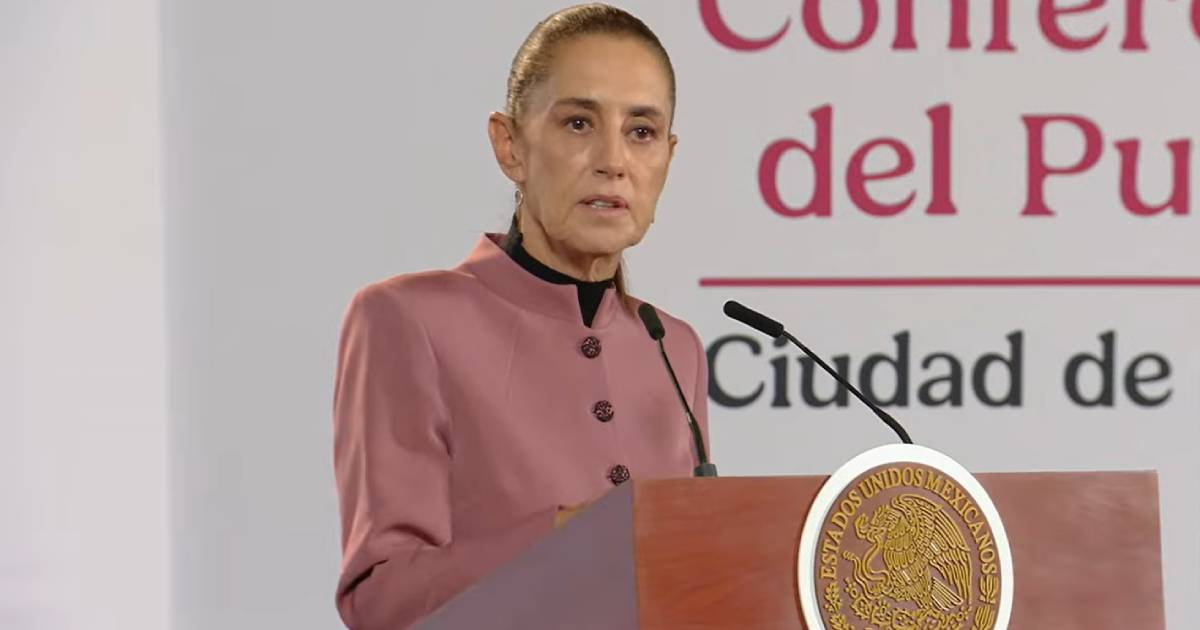
Sheinbaum has repeatedly defended these agreements, asserting they fill medical vacancies in rural communities and areas lacking specialists. She maintains that Cuban doctors are hired directly and receive salaries equivalent to their Mexican counterparts, a claim she reiterated in October amid opposition scrutiny.
However, journalistic investigations have uncovered payments to Cuban entities and discrepancies between program funding and the amounts received by the professionals.
Recent reports have also highlighted grievances among mission members. On October 4, Cuban doctors in Mexico reported being unpaid for over two months, with authorities failing to provide a concrete timeline for payment resolution. One professional noted that the delays affected both Banjército and Banco del Bienestar transactions. The complaint was lodged by three mission members, not necessarily reflecting the situation of all Cuban doctors in Mexico.
Ongoing Criticism from Opposition
Criticism of the program is not new among Mexican opposition parties. On October 13, National Action Party (PAN) legislators questioned Sheinbaum about supporting Cuban doctors while Mexican healthcare workers protested their working conditions. Deputy Federico Döring criticized the government's priorities, demanding better conditions for Mexican professionals.
Frequently Asked Questions on the USMCA and Cuban Doctors Controversy
What agreements exist between Mexico and Cuba regarding doctors?
Mexico has agreements with Cuba to hire Cuban doctors to work in areas lacking medical professionals, based on a deal signed on July 22, 2022.
Why does the PRI want these agreements canceled?
The PRI argues that maintaining these agreements could endanger Mexico's trade relations under the USMCA and that it supports a regime they consider oppressive.
What are the alleged issues with the Cuban doctors' work conditions?
Critics, including Congresswoman Salazar, claim that Cuban doctors face forced labor conditions, such as restricted mobility, family separation, and withheld wages.