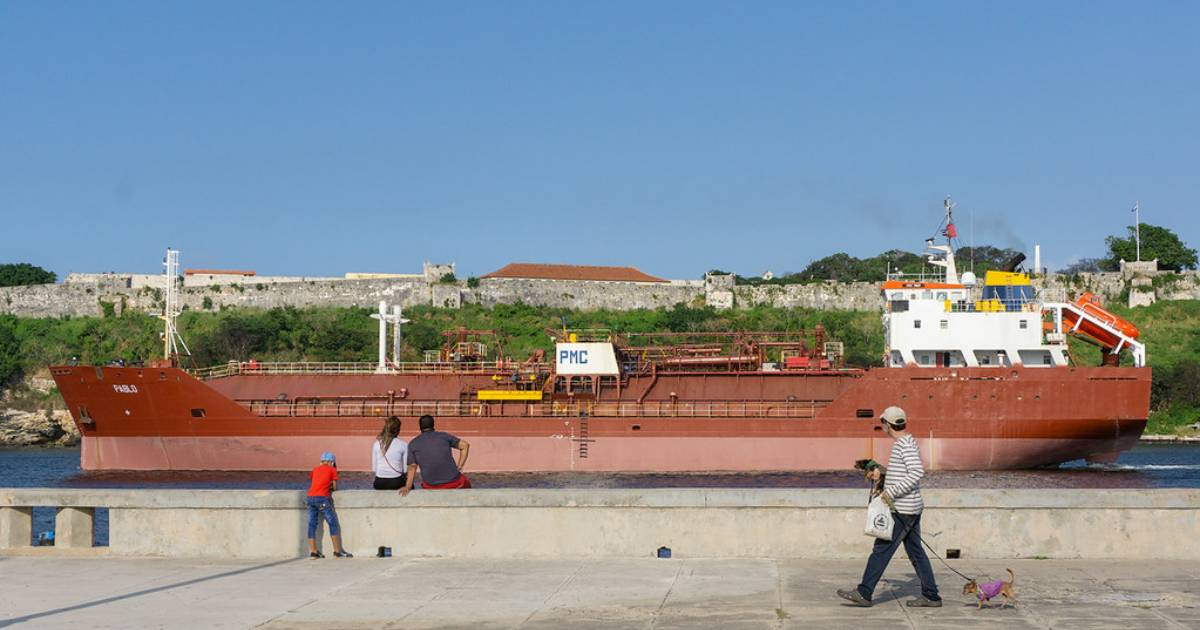
The Cuban government is actively engaging with Mexico to restart fuel shipments to the island, which were halted in 2026 amid increased commercial pressure from the United States.
This announcement was made by Eugenio Martínez Enríquez, Cuba's ambassador to Mexico, on Tuesday. However, he did not provide a specific timeline for when the fuel supply might resume.
In an interview with EFE, the ambassador emphasized the strong ties between the two governments and confirmed that efforts are underway to reinstate the previously interrupted energy agreements.
"I don't use the term ally because it's not typical in our political language, but we definitely consider Mexico a brotherly nation with which we have excellent relations. Work is ongoing to resume those energy shipments," Martínez stated.
Background on Cuban-Mexican Fuel Agreements
Martínez explained that the fuel supply was part of a commercial agreement between a Cuban company and Petróleos Mexicanos (Pemex), Mexico's state oil company.
"Indeed, through a commercial agreement, fuel was exported to Cuba by Pemex. Cuba regularly paid for these supplies, but the agreement was stopped," he noted.
He acknowledged that the island ceased receiving fuel from Mexico this year, though he was uncertain about the exact date of the interruption.
"Therefore, Cuba has not received fuel sent from Mexico. I can't specify the exact date, but the shipments stopped this year," he declared.
Impact of U.S. Pressures on Fuel Supply
Martínez's statements highlight the halt of Mexican fuel supplies, which had been a significant energy source for Cuba in 2025. The suspension occurred as Washington increased pressure on countries supplying oil to Cuba, particularly after Venezuelan shipments were interrupted at the beginning of 2026.
In January, then-President Donald Trump announced tariff measures against nations providing oil to Cuba, raising concerns in Mexico about potential commercial repercussions.
The ambassador did not confirm whether Mexico had authorized new shipments or when they might reach the island. He also did not comment on quantities, prices, or terms of any potential new agreement.
Continued Bilateral Cooperation
Despite the challenges with oil, Martínez highlighted ongoing cooperation in other sectors, such as agriculture and health. He mentioned the shipment of Mexican fertilizers to support Cuban food production and the presence of Cuban doctors in rural Mexican municipalities.
The diplomat defended the relationship between the two governments, asserting that bilateral solidarity persists despite political differences and international pressures.
From Oil Shipments to Suspension: What Happened in 2026?
The energy relationship between Mexico and Cuba underwent significant changes starting in January 2026, when the Mexican government began reviewing fuel shipments due to pressure from Washington.
On January 23, it became known that Mexico was considering halting oil exports to Cuba due to fears of economic reprisals from the Trump administration. Three days later, Pemex removed a scheduled oil shipment to Cuba from its agenda, which was supposed to be transported by the Swift Galaxy vessel.
On January 29, Trump signed an executive order allowing additional tariffs on products from countries supplying oil to Cuba, directly or indirectly.
Initially, President Sheinbaum defended Mexican oil operations as sovereign decisions and commercial agreements, but the supply was eventually halted. On February 9, she confirmed that shipments were on hold while her government sought alternatives to support Cuba without incurring U.S. trade sanctions.
By February 17, Sheinbaum announced that Mexico would not send oil to Cuba "for the time being," but would continue supplying food and humanitarian products. On February 20, Washington eliminated the additional tariff mechanism set weeks earlier. However, this did not lead to a resumption of Mexican shipments.
In March, Mexico continued its humanitarian aid. On March 23, Sheinbaum announced another ship with food and basic supplies for the Cuban population, as part of a series of deliveries that did not signify the reestablishment of oil agreements.
On May 11, the president ruled out oil shipments again, noting that Cuba was receiving fuel from Russia. She explained that Mexico would focus its collaboration on other humanitarian needs.
In June, Sheinbaum confirmed the continuation of humanitarian assistance without reactivating oil supply. She also mentioned exploring the possibility of authorized private companies transporting fuel to Cuba, though this option was not yet operational.
Financial reports from Pemex showed a significant reduction in operations with the island. During the first quarter of 2026, the oil company reported average exports of 900 barrels per day, down from an average of 17,200 barrels per day in 2025.
On August 17, an analysis of bilateral trade revealed that Mexican exports of mineral products to Cuba had plummeted, with a near 99.9% drop in June compared to the same month the previous year.
On October 6, it was reported that Pemex had not recorded new fuel sales to Cuba between April and June 2026, according to comparisons with reports submitted to the U.S. Securities and Exchange Commission (SEC).
Key Questions About Cuban-Mexican Fuel Relations
Why were fuel shipments from Mexico to Cuba suspended?
Fuel shipments were suspended due to increased pressure from the United States, which imposed tariffs on countries supplying oil to Cuba. This led Mexico to halt its oil exports to avoid potential economic repercussions.
What sectors continue to see cooperation between Mexico and Cuba?
Despite the halt in oil shipments, Mexico and Cuba continue to collaborate in agriculture and health. Mexico has sent fertilizers to aid Cuban food production, and Cuban doctors are working in rural areas of Mexico.