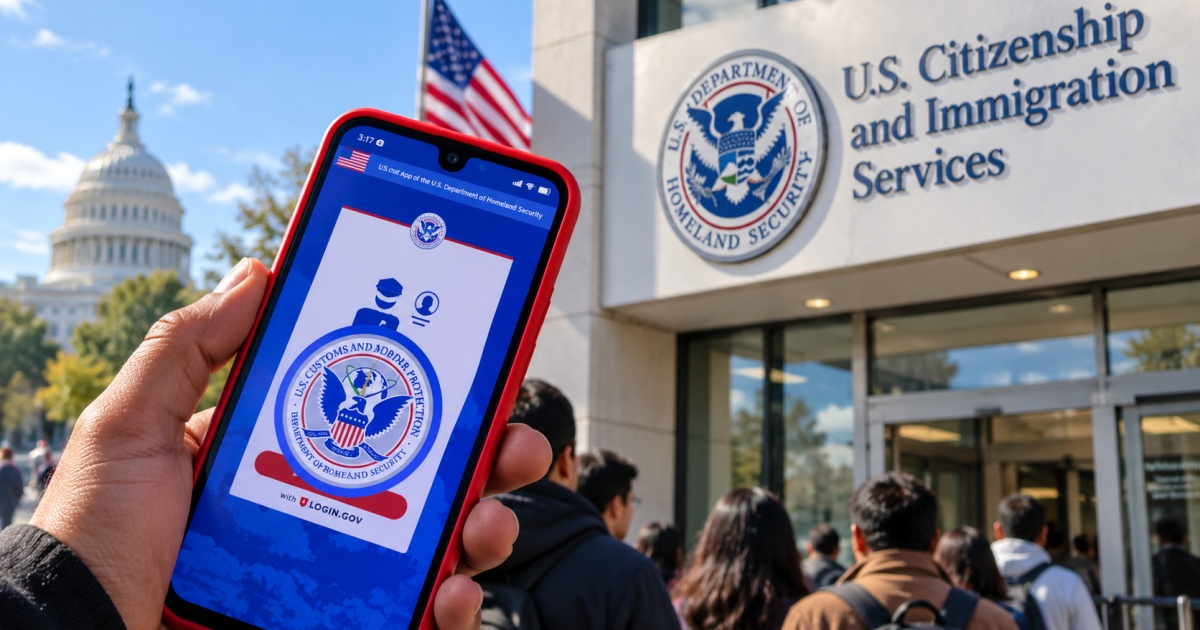
The United States Citizenship and Immigration Services (USCIS) has issued an official notice to members of the Sileiri Doe class, informing them of the opportunity to request, without the associated fee, the reopening or reconsideration of specific adverse immigration decisions. This opportunity is related to the wide-scale cancellation of temporary stay permits (parole) executed by the Department of Homeland Security (DHS) in April 2025 via email notifications.
Understanding Sileiri Doe
The term Sileiri Doe refers to a class-action lawsuit filed against the DHS by individuals impacted by the mass revocation of temporary parole permits. These permits were initially granted to migrants who entered the United States through appointments scheduled via CBP One.
The case, formally named Sileiri Doe v. DHS (Case No. 1:25-cv-12245-ADB), was processed in the District Court of Massachusetts. The "Sileiri Doe class" designates those affected individuals who meet the criteria set by the court and are covered by its rulings. Membership in this group does not require individual plaintiffs to have filed the lawsuit themselves.
Eligibility for Reopening
On September 28, 2026, Judge Allison D. Burroughs issued an order outlining mechanisms to address certain immigration consequences resulting from those cancellations. Among these is the option to request a review of unfavorable decisions related to the loss of parole.
Simply entering the U.S. via CBP One does not automatically qualify someone for this procedure. Eligibility depends on meeting the criteria defined for the protected class in the lawsuit. The group includes those who used the application to schedule entry, received parole between May 16, 2023, and January 19, 2025, were affected by the mass termination notifications in April 2025, and have remained in the U.S., according to the lawsuit's criteria.
Notifications included directives to leave the country without prior individualized assessment of each case. Not all individuals who entered through CBP One are necessarily part of the class. Determining membership relies on the judicial resolution and USCIS guidelines.
Reviewable Immigration Decisions
Class members can request the reopening or reconsideration of specific adverse decisions made by USCIS between April 1, 2025, and April 21, 2026, if these decisions were linked to parole termination. Potential actions include denials, dismissals, rejections, administrative closures, and other decisions affecting immigration benefit applications due to the cancellation.
This measure does not imply automatic reopening of all rejected applications during that period. The connection between the terminated parole and the adverse decision must be demonstrated.
The fee waiver does not broadly apply to all immigration procedures. Employment authorization requests directly based on parole do not fall under the specific benefit described in the notice.
Steps to Request Case Reopening
USCIS has issued specific instructions for Sileiri Doe members wishing to request reopening or reconsideration of an affected decision. For certain immigration benefits, the process involves Form I-290B, used for filing certain appeals or motions to reopen or reconsider.
Individuals with asylum-related decisions should refer to instructions linked to Form I-589, as applicable procedures may differ from other immigration benefits.
Applicants must explain how parole termination impacted their case and why the previous decision should be reviewed. USCIS will assess each submission individually.
The court order includes special conditions for these petitions, so individuals should verify the current official instructions to determine applicable deadlines and requirements. Ordinary filing rules or exceptions for this class should not be presumed to apply universally to other procedures.
The Impact on CBP One Paroles
The lawsuit was initiated in August 2025 by the Venezuelan Association of Massachusetts and three plaintiffs from Venezuela, Cuba, and Haiti. On March 31, 2026, Judge Burroughs nullified the mass parole terminations executed in April 2025, finding that the government had not adhered to the required legal procedures for canceling these permits.
Subsequently, on April 21, 2026, the DHS reinstated the parole periods and issued new individualized termination notifications.
The September 28 order establishes measures to address consequences from prior cancellations but does not automatically nullify these new individual decisions.
Significance for Cuban Entrants via CBP One
This measure holds particular significance for Cuban nationals who entered the U.S. using CBP One. Approximately 110,240 Cubans utilized this method between 2023 and January 2025. Parole can be a crucial factor for applying for permanent residency under the Cuban Adjustment Act, which requires, among other criteria, having been admitted or paroled and maintaining at least one year of physical presence in the U.S.
However, possessing a parole does not automatically ensure residency approval. USCIS must evaluate other legal requirements and the applicant's individual circumstances.
Cubans whose status adjustment requests or other benefits were adversely affected by mass parole termination may have a path to request a review of the decision, provided they meet the Sileiri Doe class criteria.
The Catholic Legal Immigration Network (CLINIC) has outlined the litigation's implications, cautioning that DHS retains the authority to terminate permits through individualized procedures. Questions remain about the immigration consequences during the period when permits were canceled.
Individuals in deportation proceedings before an immigration court should closely monitor their procedural status, as USCIS's ability to resolve certain requests may depend on the status of those proceedings.
Before submitting a petition, consulting with an immigration attorney is advisable to determine class membership, identify appealable decisions, and understand the applicable procedure.
Frequently Asked Questions About USCIS Case Reopening
Who qualifies for the Sileiri Doe class action benefits?
Individuals who used CBP One to schedule entry, received parole between May 16, 2023, and January 19, 2025, were affected by April 2025 termination notifications, and remain in the U.S. may qualify, per lawsuit criteria.
What is required to reopen an immigration case?
Applicants must demonstrate how parole termination impacted their case and justify the need for review. Each request is individually assessed by USCIS.
Does the fee waiver apply to all immigration processes?
No, the fee waiver is specific and does not extend to all processes. Employment authorization requests based on parole are excluded from this benefit.