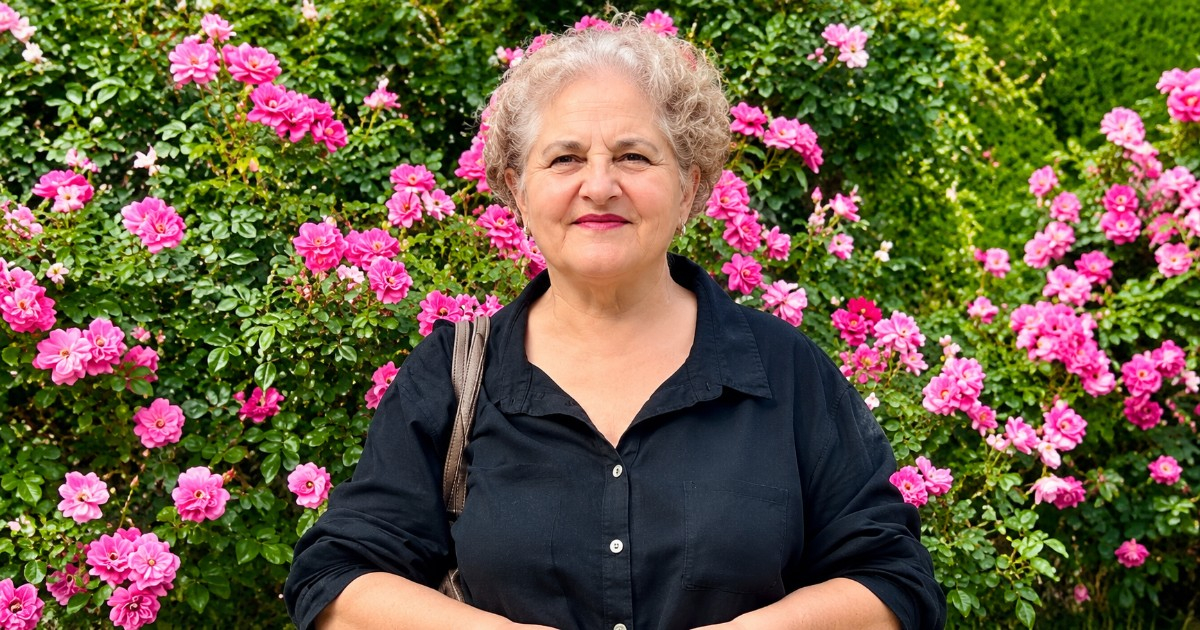
Michel Castellanos, a Cuban drummer and content creator known online as @michedrums, has urgently called attention to the plight of his aunt, Maritza Rojas Pineda. She has been detained for over seven months by the U.S. Immigration and Customs Enforcement (ICE) at the Bluebonnet Detention Center in Anson, Texas.
Originally from Camagüey and trained at the 'Luis Casas Romero' Vocational Art School, Castellanos shared a video clip on Instagram featuring Maritza, who appears visibly upset, discussing her deteriorating health within the detention facility.
“I am afraid of dying here. That is my greatest fear,” Maritza states with a trembling voice. “I worry most about having a stroke or heart attack.”
Health Concerns Highlighted in Detention
Maritza Rojas Pineda's situation is not isolated, reflecting the challenges faced by numerous Cubans under U.S. immigration detention. For ongoing updates, visit our Immigration in the U.S. section.
Medical tests conducted at the detention center revealed Maritza's glucose levels at a concerning 434 mg/dL, far exceeding the normal range of 70 to 99. Her results also indicated elevated cholesterol and triglyceride levels, among other concerning health indicators.
Her daughter reported that Maritza has suffered from liver issues, leg swelling, and a loss of sensation in her toes.
Legal Battles and Family Separation
Maritza was arrested on March 17, 2026, alongside her husband and son during a standard ICE appointment. The family was immediately separated: Maritza was moved to Texas, while her husband and son were sent to a facility in Oklahoma.
Roughly a month later, her husband was released after his case was closed due to a pending residency application, and her son was granted bail. Despite also having a residency application in progress, Maritza remains detained. Her attorney argues that Texas' interpretation of immigration laws complicates her release.
A judge ordered Maritza's deportation, but her defense filed a habeas corpus petition, seeking her release on humanitarian grounds and requesting her transfer to Oklahoma, where her family resides. Returning to Cuba is not an option, as she has no one there to support her.
ICE's Response and Advocacy for Maritza
The Department of Homeland Security (DHS) told Telemundo that having a pending immigration application does not confer legal status in the U.S. They also defended the medical care in detention centers, claiming it is "the best many immigrants have received in their lives" and stated that meals are certified by dietitians.
Castellanos emphasizes the need for Maritza's story to reach a broader audience. "We are not asking for privileges, just humanity, compassion, and respect for her dignity," he wrote on Instagram.
Challenges in Texas and Louisiana Detention Centers
Immigration attorney Wilfredo "Willy" Allen shared with CiberCuba what he believes are the three main factors leading to the transfer of immigrants to ICE detention centers in Texas and Louisiana:
- Stricter enforcement of immigration laws in these jurisdictions
- Abundance of private prisons in both states
- A deliberate government strategy to make it more difficult for detainees to gain freedom or legal recourse
Bluebonnet, with a capacity for 1,000 detainees, was among the most overcrowded ICE centers during fiscal year 2025, exceeding its limit by up to 206 detainees, according to The Marshall Project.
Key Questions About Maritza Rojas Pineda's Case
What are the health concerns for Maritza Rojas Pineda in detention?
Maritza has critically high glucose levels, elevated cholesterol and triglyceride levels, and other health issues, including liver problems, leg swelling, and loss of sensation in her toes.
Why is Maritza still detained despite having a pending residency application?
Her release is complicated by the interpretation of immigration laws in Texas, where she is held. Her legal team has filed a habeas corpus petition to contest her detention and seek her release.
What is ICE's stance on the healthcare provided in detention centers?
ICE claims that the medical care provided is the best many immigrants have received in their lifetime and that meals are certified by dietitians.