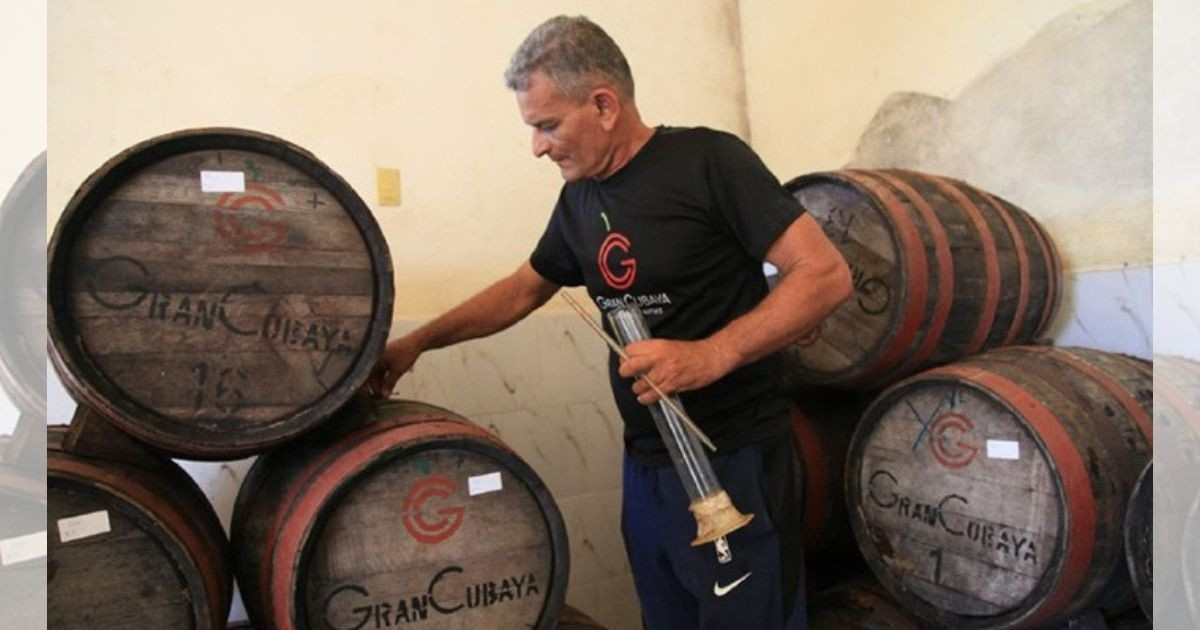
A family in Sancti Spíritus, Cuba, faced a significant setback when their initiative to cultivate sugarcane for their beverage business was turned down. The rejection stemmed from their status as a micro, small, and medium-sized enterprise (MSME), which did not allow them access to the necessary land, as shared by one of the family members with the Cuban state media.
Jorge Ulloa León, a chemical engineer and the mastermind behind the beverage formulations for the family-run Gran Cubaya, explained their predicament during an interview with the Cuban News Agency, which was later featured in the Escambray newspaper.
In 2022, the Ulloa León family began producing wine using a modest setup within their home, sourcing raw materials from a vineyard they established specifically for their production needs.
However, shortages in necessary supplies eventually impacted their operations, forcing them to explore alternative solutions to keep their business afloat.
"When the country's economic situation worsened, we lost our basic raw materials, especially sugar, which we used for making wines, dry wine, vinegar, guava preserves, and other food products," Ulloa León explained.
To counter this, the family sought a way to reduce reliance on external suppliers by growing their own sugarcane and producing molasses, which would serve as the primary ingredient for alcohol and other products. Unfortunately, their proposal did not receive approval.
"We planned to produce our own molasses for alcohol and other items, but the project was denied because, as an MSME, we could not acquire land for sugarcane cultivation," the entrepreneur noted, highlighting yet another hurdle for private sector growth in Cuba.
The rejection is particularly noteworthy given Cuba's recent legal reforms regarding agricultural land access for private businesses. In September 2026, a new Agroforestry and Agricultural Land Law was introduced, allowing private, state, and mixed MSMEs to request idle state land under usufruct agreements that could last up to 25 years, renewable.
Law 185, passed by the National Assembly on July 29, was officially published on September 9 and is scheduled to take effect 90 days later, around December 8, 2026. Thus, the new legislation was not yet in force at the time of the Ulloa León family's experience.
Meanwhile, the family found an alternative path to continue their activities by entering into cooperative contracts with entities producing alcohol from sugarcane derivatives.
"With the new measures," Ulloa León shared, they established supply agreements that enabled them to formulate a refined rum named Don Gener, under the Gran Cubaya brand. The beverage, containing 34% alcohol, began being sold in 750-milliliter and one-liter plastic bottles, initially targeting establishments in Taguasco and expanding distribution to other areas in Sancti Spíritus.
The entrepreneur stated that their facility can produce up to 1,000 liters daily. Ulloa acknowledged the ongoing efforts to secure a stable supply of raw materials, particularly alcohol, which he considers essential for expanding their small industry’s formulations.
Beyond the beverage venture, the Ulloa León family has developed a flower garden in Taguasco and is working on a medicinal plant cultivation project. They are also considering reviving an almost-defunct dining establishment known as El Pollito.
The new production efforts are part of the 176 economic and social measures package announced by the Cuban government in June 2026, which includes increased private sector involvement, productive links between companies, and changes in business management.
However, the family's experience illustrates that while cooperation agreements may fulfill certain supply needs, they do not necessarily eradicate the limitations businesses face in developing their own agricultural production.
The dependency on sugarcane-related raw materials occurs amidst a decline in Cuba's sugar industry. During the 2024-2025 harvest, sugar production in Cuba fell below 150,000 tons, marking its lowest level in over a century.
This outcome was significantly below the state plan of 265,000 tons, amid challenges such as cane shortages, fuel scarcity, power outages, and the deterioration of sugar mills.
Understanding Cuba's Agricultural and Economic Challenges
Why was the Ulloa León family's sugarcane cultivation project rejected?
The project was rejected because, as a micro, small, and medium-sized enterprise (MSME), the family was not permitted to access the necessary land to grow sugarcane.
What legal changes are expected to aid private businesses in Cuba?
A new Agroforestry and Agricultural Land Law, effective December 2026, will allow private, state, and mixed MSMEs to request idle state land under usufruct agreements, which could last up to 25 years, renewable.
How did the family continue their business after the rejection?
The family secured cooperative contracts with entities producing alcohol from sugarcane derivatives, allowing them to formulate and market a refined rum named Don Gener under the Gran Cubaya brand.