The Inter-American Press Association (IAPA), during its 82nd General Assembly held in Bogotá, released a report this Sunday spotlighting ongoing and evolving methods of suppressing freedom of expression in Cuba. The report particularly underscores the exploitation of law enforcement and judicial systems as instruments of control against journalists, content creators, and activists.
The report reveals that these practices have resulted in an escalation of detentions, summonses, interrogations, and legal actions, thereby deepening the limitations on freedom of press and speech.
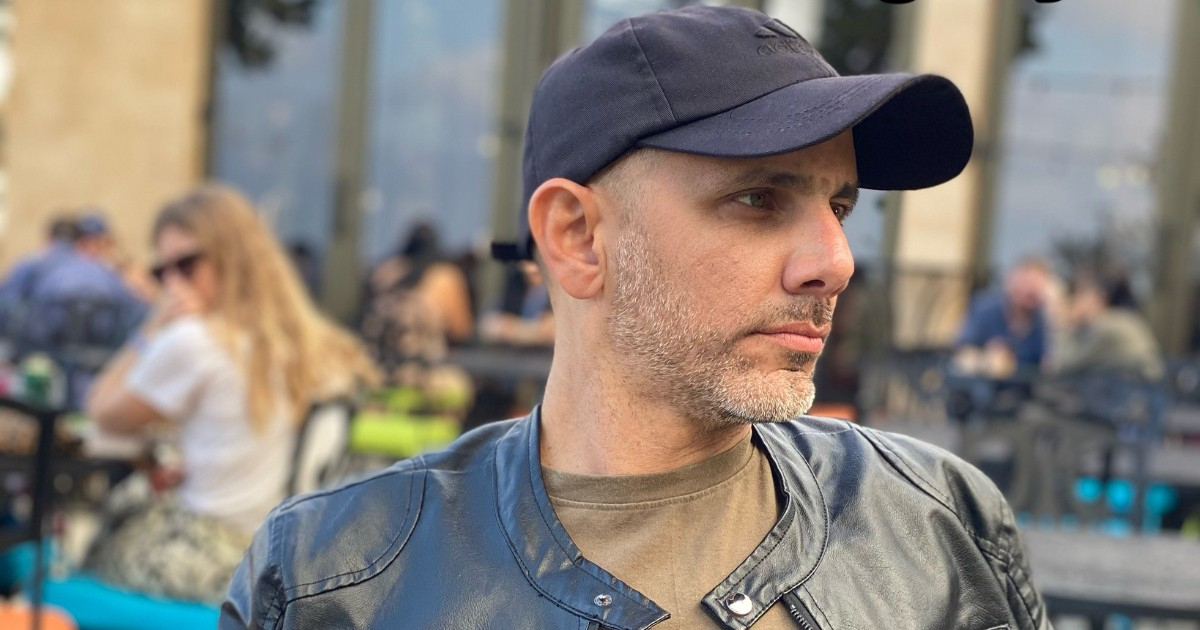
Among the most severe cases, according to IAPA, is that of Henry Constantín, the journalist at the helm of La Hora de Cuba and the regional vice president for Cuba within IAPA's Press Freedom and Information Commission.
Constantín was arrested in Camagüey in September and taken to the maximum-security Kilo 7 prison, where he remains in pre-trial detention. Cuban authorities have charged him with "disobedience" for arriving late to a State Security summons after the officers had left.
The Camagüey Provincial People's Court dismissed a habeas corpus petition filed on his behalf. Mid-October saw further complications when prison officials claimed to have discovered a knife among his belongings during a search—a claim Constantín denies, accusing authorities of planting evidence. This resulted in his transfer to solitary confinement and a suspension of visits and phone calls. Both Reporters Without Borders and the U.S. Department of State demanded his immediate release at the end of September.
The report also brings attention to the situation of Kamil Zayas and Ernesto Ricardo Medina, founders of the audiovisual project El4tico, who have been incarcerated since February over satirical and political commentary videos.
The Holguín Provincial Prosecutor's Office has sought 10 years of imprisonment for Zayas and eight for Medina, accusing them of "propaganda against constitutional order" and "incitement to commit crimes," in what IAPA describes as the "criminalization" of social media opinion spaces.
Additionally, the report mentions Anna Sofía Benítez Silvente, known as Anna Bensi, and her mother, Caridad Silvente, who were sentenced to two years of "restriction of freedom" on October 1 for recording and sharing a video of a Ministry of Interior officer delivering a summons to their home.
Other journalists cited include Jorge Bello and José Gabriel Barrenechea, jailed for participating in protests, and Mayelín Rodríguez Prado, serving a 15-year sentence for live-streaming a protest on Facebook in Camagüey in 2022.
Amid structural restrictions, IAPA highlights Decree 160, effective since August 2026, which prevents independent media from establishing as private economic ventures and keeps journalism, news agencies, broadcasting, and publishing under state control.
The organization also condemns the designation of "regulated" status—journalists barred from leaving the country—as an "additional mechanism of pressure and control," along with internet shutdowns, paper shortages, and verbal summonses that often precede arrests and legal proceedings.
This troubling environment is reflected in a 129% increase in repression against independent journalists in September compared to August, as reported by the Cuban Observatory for Freedom of Expression, which documented 39 press freedom violations in September, up from 17 in August.
Founded in 1943 and based in Miami, IAPA represents over 1,300 publications across the Western Hemisphere and serves as the leading forum for assessing press freedom in the region.
Key Issues in Cuban Press Freedom
What are the primary new tactics of repression identified by IAPA in Cuba?
The IAPA report identifies the increased use of police and judicial systems as tools of repression against journalists, resulting in more detentions, interrogations, and legal proceedings.
Who is Henry Constantín and why is his case significant?
Henry Constantín is a journalist and director of La Hora de Cuba. His case is notable due to his arrest on charges of "disobedience" and subsequent detention in a maximum-security prison, highlighting severe repression tactics.
What structural restrictions does Decree 160 impose on Cuban media?
Decree 160 restricts independent media from formalizing as private entities and maintains state control over journalism, news agencies, broadcasting, and publishing in Cuba.