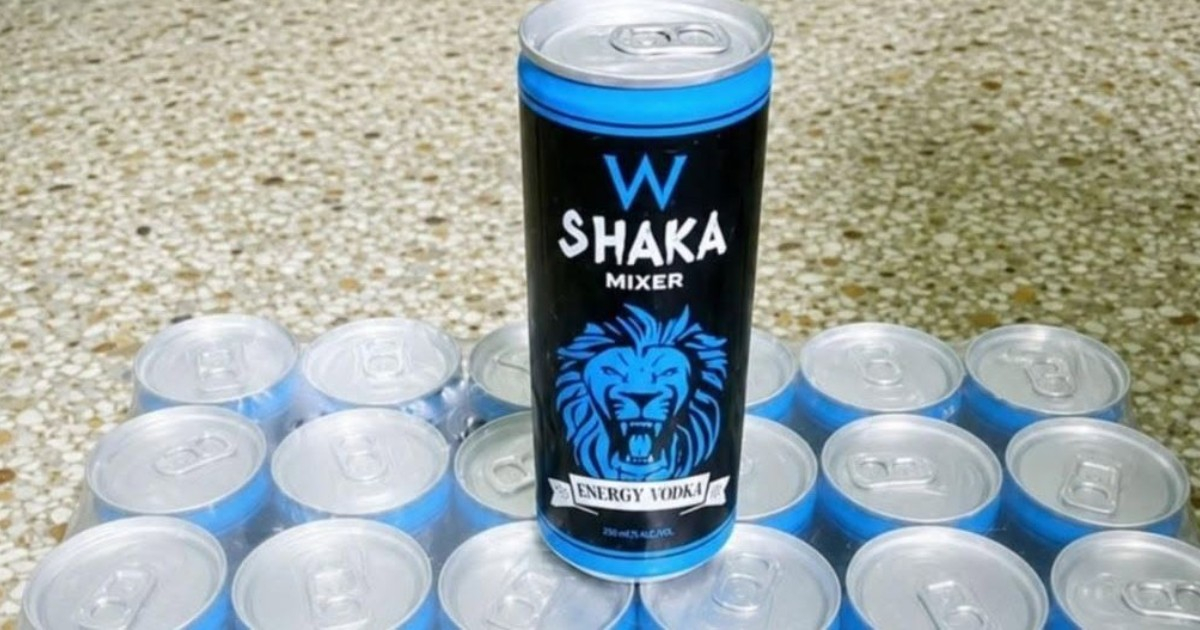
The Cuban Ministry of Public Health (MINSAP) has announced a sweeping ban on the importation and sale of alcoholic energy drinks across the nation. As reported by the state-controlled outlet Cubadebate, this new regulation also includes the cancellation of all existing health registrations that previously allowed these beverages into the country.
This ban impacts around 15 brands that combine alcohol with energy-boosting ingredients. During a press conference, Deputy Health Minister Carilda Peña García outlined the scope of this decision. Among the affected brands are Shaka, Shaka Mixer Energy-Vodka, and Vodka Energy, with Shaka being the most recognized by the general public.
Additionally, the prohibition extends to current stock already present in warehouses and throughout the retail network. No new health registrations will be issued for these drinks, and existing ones have been nullified, effectively banning any future importation.
Yalina Garbey Rivera, Director of Consumer Protection at the Ministry of Domestic Trade (MINCIN), acknowledged the economic impact on suppliers and sellers who must withdraw already purchased products. She mentioned that alternatives are being considered to address these consequences, but stressed that economic factors will not influence the health decision.
The government has justified the prohibition due to reported cases of alcohol poisoning, particularly among young individuals in various provinces.
In August, five young people aged 18 to 22 were hospitalized in Sancti Spíritus after consuming Shaka. Four experienced vomiting, rapid heartbeat, and headaches, while one young woman was nearly comatose and required mechanical ventilation for 24 hours.
Another serious case in Havana required intensive care, with the patient remaining in critical condition at the time of the announcement.
Peña García clarified that the ban is not due to product adulteration or failure to meet composition standards. "The can contains what the manufacturer declares," she stated, emphasizing that "the risk lies in excessive consumption, not in the specific composition of the product."
The danger stems from the mixture of alcohol with caffeine and taurine; caffeine stimulates the central nervous system and can mask the sensation of intoxication, leading to greater alcohol consumption than the body can handle.
Alejandro Mestre Barroso, a toxicologist at the Provincial Drug Observatory in Las Tunas, had warned in September that "adolescents experience such a high level of excitement that they do not perceive that they are drunk," with blood alcohol levels potentially reaching 150 milligrams per deciliter, risking alcohol-induced coma.
Authorities are particularly concerned about consumption among young people, pregnant women, breastfeeding women, minors under 18, and individuals with chronic illnesses such as hypertension, heart disease, or kidney disorders, as these groups face life-threatening risks.
The national ban follows a series of provincial measures. Days earlier, officials in Mayabeque halted sales of Shaka and other brands in the municipalities of San Nicolás and Güines, seizing stocks and warning of fines, confiscation, and legal action against violators.
In Villa Clara, the product had been removed from state stores weeks prior, although it continued to be available in private establishments for about 1,000 Cuban pesos.
Shaka was officially registered in Cuba in 2023 after submitting samples and technical documentation to health authorities. The prohibition does not affect non-alcoholic energy drinks or traditional alcoholic beverages.
Key Questions About Cuba's Ban on Alcoholic Energy Drinks
Why did Cuba ban alcoholic energy drinks?
Cuba banned these drinks due to several cases of alcohol poisoning, particularly among young people, linked to the consumption of such beverages.
Which brands are affected by the ban?
The ban affects approximately 15 brands, including Shaka, Shaka Mixer Energy-Vodka, and Vodka Energy, with Shaka being the most well-known to the public.
Are there any exceptions to this prohibition?
The prohibition does not apply to non-alcoholic energy drinks or traditional alcoholic beverages.