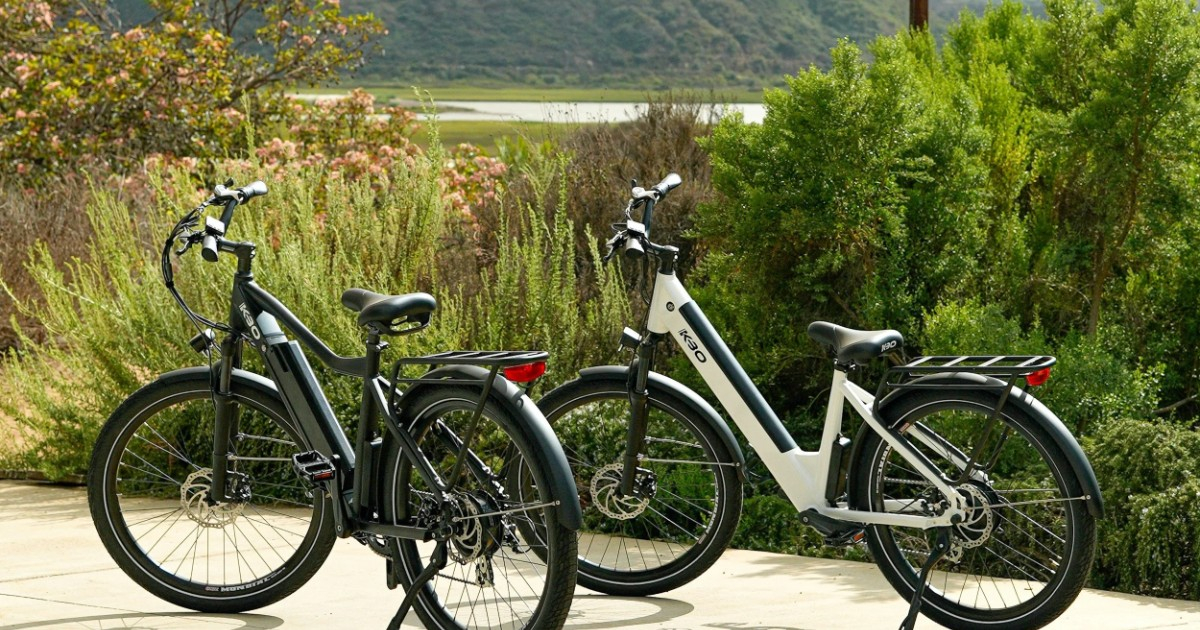
The Miami City Commission has recently enacted a new ordinance establishing specific regulations for the operation of electric bikes, scooters, and other micromobility devices. These restrictions are set to take effect roughly by November 1, within 10 days.
Under the new rules, these vehicles are prohibited from using sidewalks and pedestrian pathways. A maximum speed limit of 20 mph is imposed, and operators must be at least 16 years of age.
Users are required to travel in bike lanes when available or on streets with a posted speed limit of 30 mph or lower. Additionally, operators must carry a government-issued photo ID, and violations can result in fines up to $100, along with any applicable traffic citations under Florida law.
The ordinance also dictates parking regulations: devices cannot be left on sidewalks unless in designated areas and must leave a pedestrian path of at least three feet clear.
Each device is limited to one rider unless it is designed for multiple passengers, although an adult may transport a secured child wearing a helmet.
This measure impacts thousands of residents who rely on these vehicles daily for commuting or delivering services for platforms like DoorDash or Uber Eats, especially among Miami's Cuban community. The sidewalk ban significantly alters the routine of many delivery workers who previously used sidewalks to save time.
Safety concerns were a key factor in the ordinance's approval. Miami Fire-Rescue reported 1,380 micromobility-related incidents between September 2024 and September 2026, with 418 requiring hospital transport and at least 86 resulting in head injuries.
A recent tragic event served as an immediate catalyst: on September 27 in Little Havana, an electric scooter was struck by an SUV at the intersection of SW 22nd Avenue and First Street, resulting in one fatality and another person critically injured. Later that day, another scooter operator was hit near Calle Ocho in a hit-and-run incident.
Scooter user Sid Campbell, interviewed by NBC6, expressed support for the new regulations: "You have to be careful out here, but I think most people are pretty aware, even though it can get very dangerous."
The ordinance was sponsored by District 3 Commissioner Rolando Escalona and introduced for a first reading on September 24.
Miami is not alone in tightening these rules. Miami Beach passed its own regulations on September 23, mandating helmets for riders under 16 and imposing $129 fines, though these rules won't take effect until July 2027.
Sunny Isles Beach has enforced similar restrictions since August, with fines of $250 for the first offense. Miami-Dade has also limited usage on the Rickenbacker Causeway since July.
In the same session on Thursday, the Commission also approved a significant increase in civil fines for animal cruelty offenses.
"It reflects the seriousness of what's happening. These cases are on the rise, and we want to ensure we act with maximum severity," stated Commissioner Damian Pardo.
Fines were set at $2,500 for the first offense, $5,000 for the second, and $7,500 for the third, following high-profile cases such as a dog found dead in Biscayne Bay tied to a cement block.
Understanding Miami's New Micromobility Rules
What are the key restrictions of the new micromobility ordinance in Miami?
The ordinance bans electric bikes and scooters from sidewalks, sets a maximum speed of 20 mph, requires operators to be at least 16 years old, and mandates carrying a photo ID. Devices must also be parked in designated areas.
Why was the ordinance implemented?
The ordinance was enacted largely due to safety concerns, with a significant number of incidents involving micromobility devices, including a recent fatal accident in Little Havana.
How does this affect delivery workers in Miami?
Delivery workers, particularly in the Cuban community, who commonly use sidewalks to expedite their routes, will now need to adjust to the new rules, impacting their daily operations.