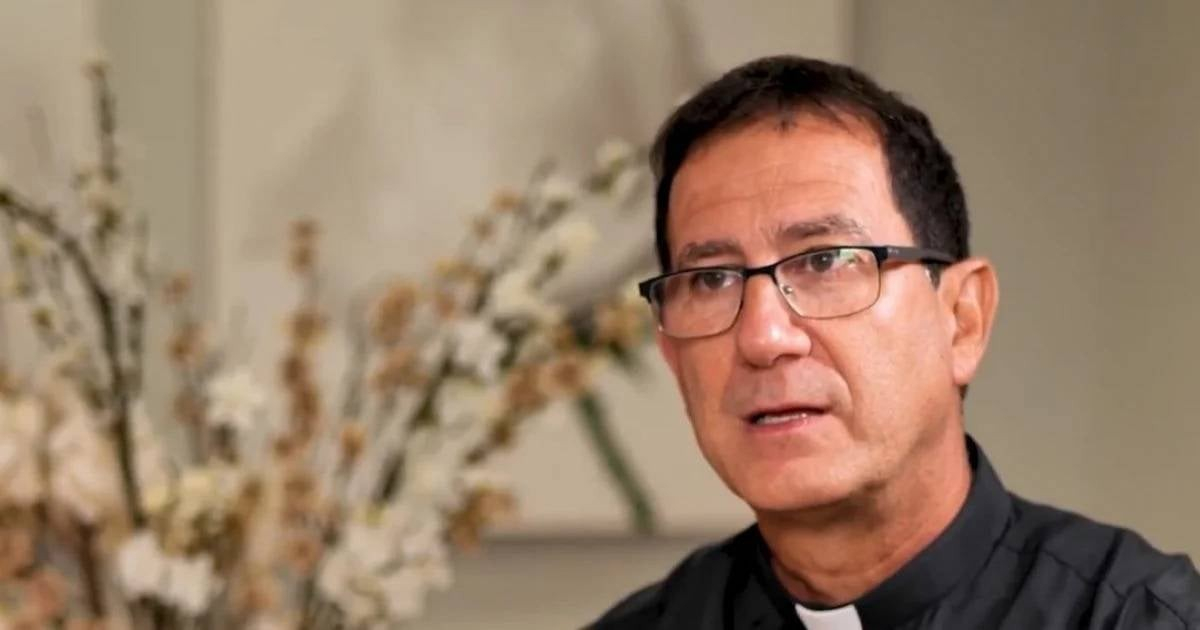
Cuban priest Alberto Reyes Pías has expressed a stark view of his homeland, describing it as "a country in ruins" and arguing for a fundamental change in its political system to rebuild the nation. However, he warns that no institutional overhaul will suffice unless Cubans heal from decades of persecution, division, and conflict.
In his latest series of reflections, shared on Facebook this past Friday, the parish priest of Esmeralda, Camagüey, emphasized that rebuilding Cuba must involve not only political and economic structures but also the relationships among its citizens.
"Cuba is a country in ruins. Over nearly 70 years, deterioration has become widespread: homes, roads, services, institutions, and people," Reyes wrote, underscoring the need for deep societal transformation.
Although Reyes acknowledges the need for systemic change, he cautions that simply replacing institutions and altering laws will not automatically lead to a different society. He reflects on the human cost of decades of political control, internal conflicts, and societal divisions.
"Throughout these years, we have hurt each other deeply. We've engaged in aggression, espionage, and betrayal," he noted.
Reyes also highlighted the involvement of Cubans in foreign military conflicts, mandatory military service, and the abuses some young people have reportedly faced. Additionally, he recalled the separation of children from their families through boarding school systems, ideological pressures in education, and harassment for religious beliefs.
He pointed out the persecution and imprisonment of those who have expressed dissenting opinions, noting these experiences have left scars that won't simply vanish with political change.
"We are a people submerged not only by material ruins but even more by our wounds, grudges, and repressed anger," Reyes wrote.
A key aspect of Reyes’ message is the importance of ensuring that the pursuit of justice does not devolve into acts of revenge. "If we don't heal our hearts, we risk recreating tomorrow what we reject today, confusing justice with vengeance," he warned.
He emphasized that forgiveness should not serve as an excuse to overlook past abuses or prevent accountability. "Justice is necessary, but so is forgiveness," he asserted, distinguishing between forgiving and absolving responsibility for past actions.
According to Reyes, forgiveness involves preventing past suffering from dictating future relationships. "A society that cannot learn to forgive may remain forever imprisoned by its wounds," he cautioned.
The priest argued that Cuba's reconstruction should extend beyond repairing infrastructure to restoring coexistence among people with longstanding differences.
In a personal anecdote, Reyes recounted a conversation with a young person who maintained a list of individuals against whom they sought retribution. Instead of advocating for forgetting painful experiences, Reyes suggested acknowledging those who have caused harm and initiating a conscious process of forgiveness.
He proposed that this practice should be undertaken without dismissing the pain and, if necessary, with support to address deep-seated wounds. His concerns revolve around what might happen following a political transition, especially if accumulated resentments evolve into new forms of conflict among Cubans.
"The true reconstruction of a nation mired in hate and division begins when we shift our focus away from pain and anger," he reflected.
Reyes concluded his message with a plea to prevent future generations from inheriting their parents' conflicts and resentments.
His recent publication maintains a critical stance that he has developed over recent months but places greater emphasis on the need for reconciliation and forgiveness amidst potential changes in Cuba.
On October 16, Reyes had warned that speaking the truth in Cuba has consequences, but remaining silent also means forfeiting the chance to build a different future. In that reflection, titled "I've Been Thinking About the Price of Truth," he denounced the fear of political expression and the normalization of silence in Cuban society.
Earlier, Reyes urged Cubans not to resign themselves to living in perpetual survival mode, marked by blackouts, food and medicine shortages, and diminished future prospects. He advocated for the revival of the capacity to envision a different Cuba and insisted that political change should be accompanied by a transformation in citizens' attitudes.
In a September interview, Reyes supported a negotiated political transition leading to the current rulers' departure rather than mere reforms that would sustain the existing system. He suggested that a dialogue table, possibly involving the Catholic Church, could facilitate this transition.
Understanding Cuba's Need for Change
Why does Father Alberto Reyes believe Cuba is in ruins?
Father Alberto Reyes describes Cuba as a country in ruins due to widespread deterioration over nearly 70 years affecting homes, roads, services, institutions, and its people.
What does Reyes propose for Cuba's reconstruction?
Reyes suggests that rebuilding Cuba should involve not only political and economic changes but also restoring relationships among citizens, emphasizing the importance of forgiveness and healing.
How does Reyes view the role of forgiveness in Cuba's future?
Reyes believes forgiveness is crucial in preventing past suffering from shaping future relationships and warns against confusing justice with vengeance.