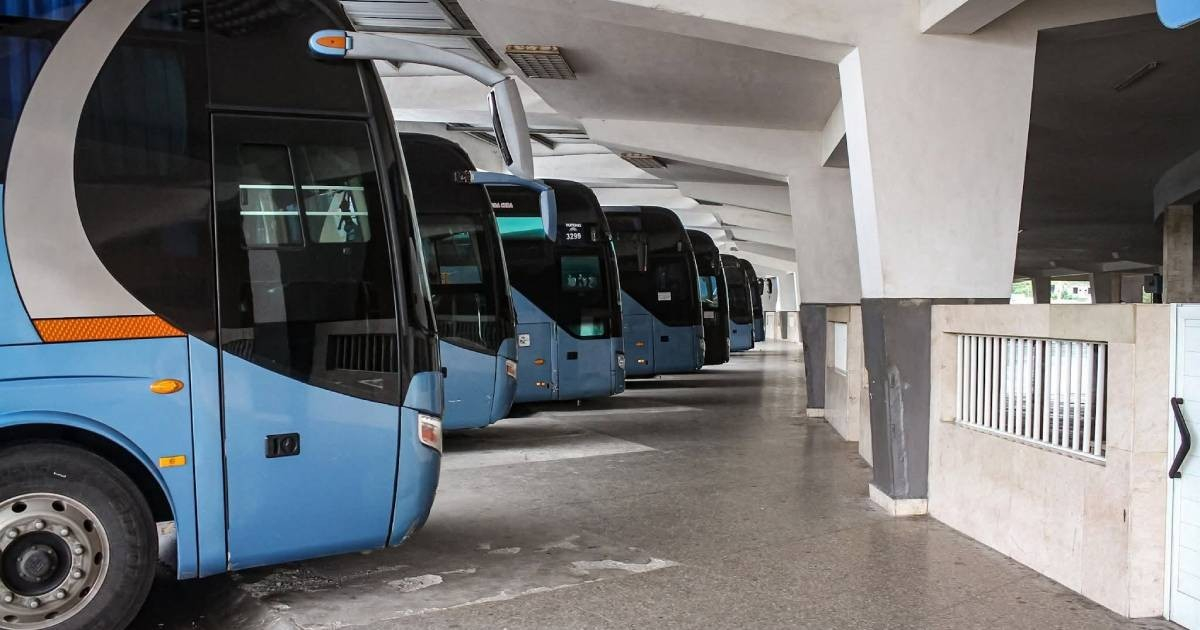
In a candid interview with Reuters on Thursday, Cuba's Minister of Transportation, Eduardo Rodríguez Dávila, openly addressed the dire state of the island's public transportation system, describing it as being at "one of its lowest points ever." The figures he shared highlight a stark reality.
The drastic reduction in interprovincial bus trips originating from Havana paints a bleak picture: what once were 419 daily departures in 2025 have plummeted to a mere 11 in 2026. Nationwide, bus routes have decreased from over 100 to just 21, and crucial intercity transportation is expected to drop by 90% this year. Passenger use of public transport will see a 75% decline compared to the previous year.
"Families are stranded, unable to visit sick loved ones or reach hospitals. The complexity of the hardships behind these shortages is immense," Rodríguez Dávila explained to journalist Dave Sherwood in Havana.
Economic Impacts of the Transport Crisis
The transportation breakdown extends beyond passenger travel. Domestic freight movement is projected to fall from 70 million tons in 2025 to a mere 20 million this year, exacerbating shortages throughout the island.
The Cuban government blames the crisis on fuel supply restrictions imposed by Washington. Nevertheless, the system was already deteriorating long before the situation worsened in 2026. By the end of 2024, Ómnibus Nacionales was operating at just 36% of its 2019 capacity, with only 219 out of 558 buses in service by December 2025.
Geopolitical Factors and Fuel Shortages
The fuel crisis intensified in late January when Venezuela halted oil shipments following Nicolás Maduro's capture, and Mexico suspended its deliveries. Additionally, the Trump administration issued an executive order threatening tariffs on any country providing crude oil to Cuba. In April, Díaz-Canel acknowledged, "There's fuel for almost nothing." By July, the U.S. sanctioned key Cuban oil sector companies, including CUPET.
Alternative Solutions Amidst Challenges
Faced with the conventional transport paralysis, Cubans have turned to hitchhiking, carpooling, or significantly costlier private options. The government is eyeing electrification as a potential solution, boasting about 150,000 electric vehicles—cars, motorcycles, and tricycles—double the number from 2025 and approximately 15% of the total vehicle fleet.
In August, electric vehicles accounted for 40% of vehicle imports, compared to just 3.5% in January 2025, thanks to import incentives that waive or reduce taxes on electric cars and bicycles.
However, a significant issue remains: the renewable energy supply has not kept pace with the growth of electric vehicles. During a government-organized press tour, the journalist observed numerous yellow electric tricycles from a state firm idle in a garage due to lack of electricity for charging. Upon seeing them, the minister could only remark, "These are the challenges we face."
Understanding Cuba's Transportation Crisis
What are the current challenges facing Cuba's transportation system?
Cuba's transportation system is facing a severe crisis with a drastic reduction in bus routes, intercity transport, and passenger travel. The situation is compounded by a significant drop in freight movement, leading to widespread shortages across the island.
What factors have contributed to the transportation crisis in Cuba?
The transportation crisis in Cuba is attributed to fuel supply restrictions imposed by the U.S., coupled with the cessation of oil shipments from Venezuela and Mexico. The situation was exacerbated by U.S. sanctions on Cuban oil sector companies.
How is Cuba addressing the transportation challenges?
Cuba is attempting to mitigate transportation challenges by promoting the use of electric vehicles, which now make up a significant portion of vehicle imports due to tax incentives. However, the supply of renewable energy has not kept pace with the increase in electric vehicles.