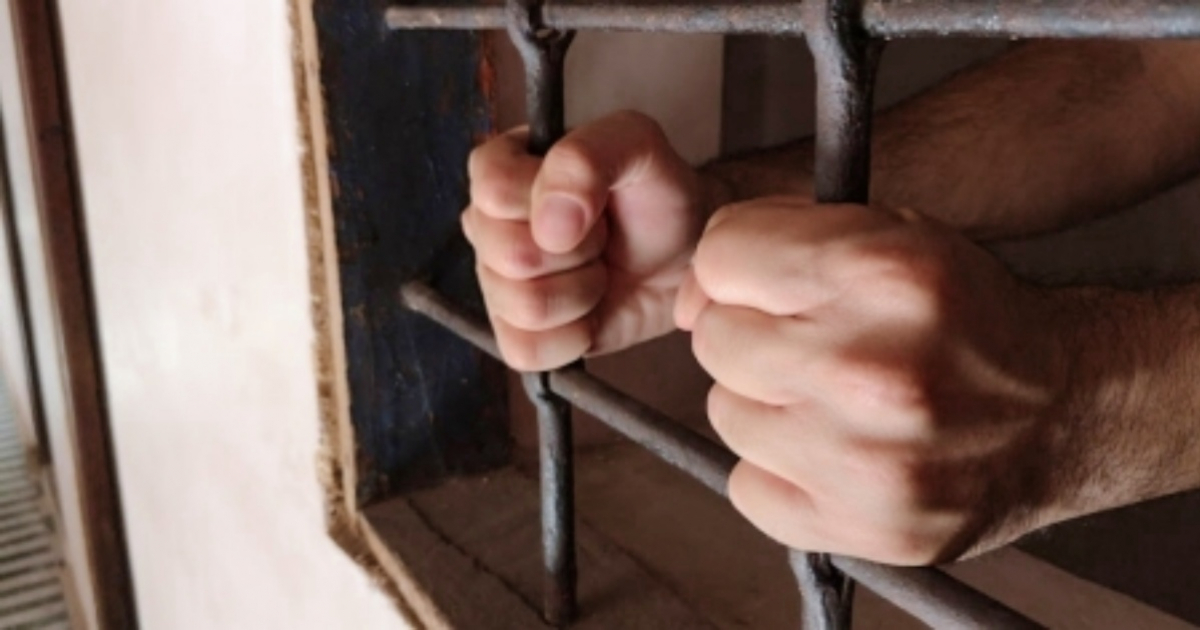
The human rights organization, Cubalex, has revealed the death of Yales Mir Rodríguez Machado, a 52-year-old inmate from Jobabo, Las Tunas. He passed away on October 11 at the Tunas 2 prison camp, succumbing to severe malnutrition and lack of medical care.
Reports from Cubalex indicate that prison officials ignored repeated warnings about Rodríguez Machado's deteriorating condition, highlighting ongoing issues of hunger, neglect, and medical negligence within Cuban prisons.
A Final Call for Help
Just two days before his death, Yales Mir managed to phone his aunt, expressing fears of dying from starvation and asking her to visit him due to his worsening health. "This call underscores the severity of his situation and the neglect by prison authorities," Cubalex stated.
Fellow inmates had consistently alerted prison management about his fragile health, yet no measures were taken to provide necessary care, despite clear signs of physical decline.
Transfer and Tragic End
Rodríguez Machado was serving his sentence at the Provincial Prison of Las Tunas, known as El Típico, before being urgently moved to the Tunas 2 camp—a nearby open-regime facility—shortly before his death. Cubalex asserts that his health deteriorated due to inadequate nutrition and the lack of medical intervention.
After his passing, his body was inhumanely transported by ox cart to the El Típico headquarters. According to reports, someone remarked, "He starved to death down there," highlighting the indignity of his treatment and the negligence of the authorities, who had been warned about his condition.
Patterns of Neglect and Death
The death of Yales Mir adds to a string of fatalities reported in Las Tunas' penitentiary system this year. In August, Yoandry Cutiño Oliva, aged 34, died at El Típico weighing only 32 kilograms at a height of 1.78 meters. In another instance, political prisoner Florentino Morono Torres suffered a heart attack in September and died two days later, allegedly without receiving timely medical care.
These incidents are part of a broader pattern of deaths under custody documented by Cubalex. The organization recorded 12 such deaths in September alone, marking the highest monthly figure for 2026, with a total of 49 reported for the year.
State Accountability and Call for Reform
Cubalex emphasizes that these deaths reflect systemic failures in nutrition, medical services, and the protection of detainees, not just isolated actions by individual officials. According to their findings, 80 of the 115 deaths documented from February 2024 to June 2026 were linked to medical negligence, while 21 were directly attributed to severe malnutrition or starvation.
Cubalex urges for independent investigations and external oversight of prisons, stressing the need for urgent measures to prevent malnutrition and ensure that inmates' nutrition does not rely solely on family resources. The organization cites the United Nations' Mandela Rules, which mandate adequate food, potable water, and timely medical care for all incarcerated individuals.
"The lack of transparency and accountability fosters impunity and denies families their right to truth, justice, and reparation," warned Cubalex.
Understanding the Crisis in Cuban Prisons
What led to the death of Yales Mir Rodríguez Machado?
Yales Mir Rodríguez Machado died due to severe malnutrition and lack of medical care, as reported by the human rights group Cubalex.
How many deaths have been documented in Cuban prisons in 2026?
Cubalex documented 49 deaths in Cuban prisons in 2026, with 12 occurring in September alone, marking the highest monthly count for the year.
What are Cubalex's recommendations for improving prison conditions in Cuba?
Cubalex calls for independent investigations, external oversight of prisons, and measures to prevent malnutrition, ensuring that inmate nutrition does not rely solely on family resources.