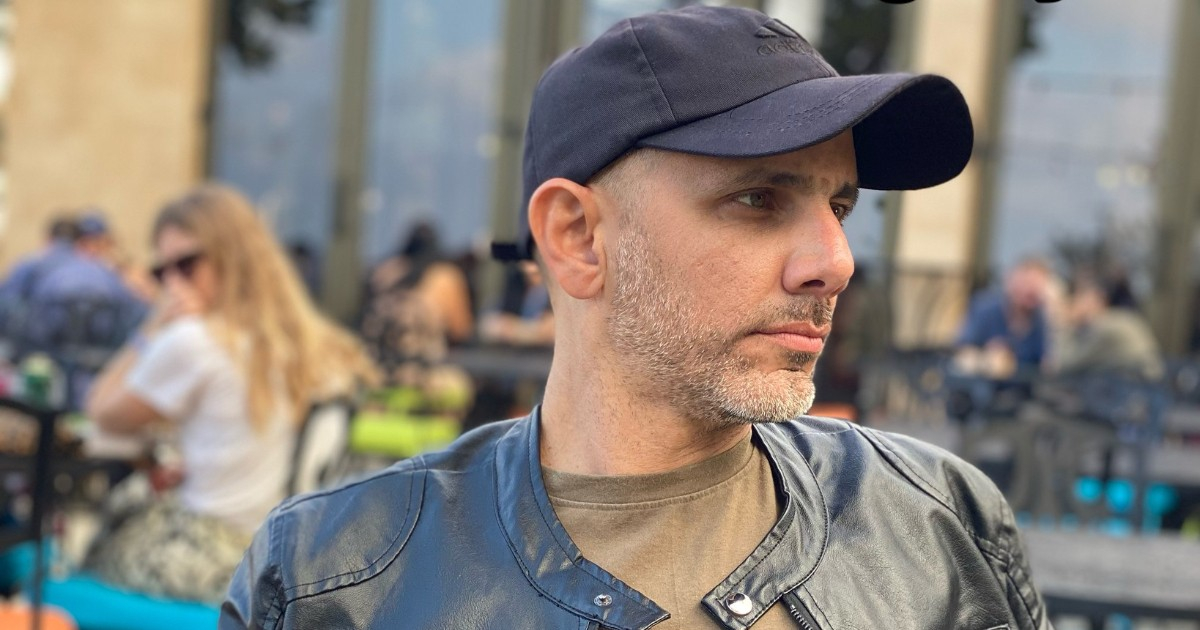
The Cuban Observatory of Human Rights (OCDH) has lodged a formal complaint with the Provincial Prosecutor's Office in Camagüey, also notifying the Military Prosecutor's Office, concerning serious irregularities in the legal proceedings against independent journalist Henry Constantín Ferreiro. Constantín has been held for a month in the maximum-security prison Kilo 7, Camagüey, without a trial date being set.
The complaint demands that the Supreme People's Court and the Office of the Attorney General of the Republic fulfill their institutional duties, ensuring an unbiased investigation free from interference, and safeguarding the journalist and those involved in his defense from any potential retaliation.
Alleged Planting of Evidence
Two main irregularities are at the heart of the complaint. The first involves the alleged discovery of a makeshift knife among Constantín's belongings during a prison search at Kilo 7, an incident the journalist vehemently denies and suspects was a deliberate setup.
According to La Hora de Cuba, officials "went directly to the exact spot where the weapon was supposedly kept," which strengthens the suspicion that the object was planted the night before the search. Additionally, an agent named Frank had spoken with an inmate occupying the bunk below Constantín the day before the search, a detail the OCDH finds pertinent to uncovering the truth behind the possible setup.
As a result of the alleged discovery, Major Dany, head of the prison unit, ordered Constantín to be moved to a punishment cell for at least 15 days and initiated proceedings for alleged possession of a weapon.
The punishment also means the journalist will miss a scheduled family and conjugal visit the following Monday and will be deprived of his daily authorized phone calls.
Missing Legal Documents
The second irregularity highlighted by the OCDH is the unverified location of the criminal case file. Initially, the Municipal Court of Camagüey said it had returned it to the Prosecutor's Office and later claimed to have sent it on October 9. However, no judicial or prosecutorial institution has officially acknowledged receiving it, hindering effective defense efforts and prolonging procedural uncertainty.
"We demand guarantees for Henry Constantín’s physical and psychological integrity, clarification of the supposed discovery, and the immediate location of his case file," stated the post on Facebook.
Constantín was arrested on September 16 after responding to a police summons. Authorities accuse him of "disobedience" for allegedly failing to attend a meeting with the Directorate of Identification, Immigration, and Foreigners; the journalist asserts he did attend, but officials had already left.
International Outcry and Advocacy
The case has sparked a wave of international condemnation. Reporters Without Borders called for his release in late September, documenting this as at least the nineteenth time the journalist has been detained due to his work. The Trump administration also demanded his release through Deputy Secretary of State Juan Pablo Segura, and the Inter American Press Association condemned his imprisonment.
Those close to the journalist have not been spared from regime pressure. On October 9, journalist and Constantín’s partner Alejandra García was interrogated by State Security agents after visiting Kilo 7, during which an agent warned her that she could choose "the easy way or the hard way."
On October 14, Cuban writers, journalists, and artists launched a video campaign under the slogan "Informing Is Not a Crime" to call for the journalist's release. Constantín is the founder of La Hora de Cuba, a media outlet that received this year's Civil Rights Defender of the Year award from the Swedish organization Civil Rights Defenders, becoming the first media outlet from the Americas to receive the honor.
FAQs on Henry Constantín’s Case and Human Rights in Cuba
What are the allegations against Henry Constantín?
Henry Constantín is accused of "disobedience" for allegedly not attending a meeting with immigration authorities, despite his claim that he did attend but the officials were absent.
What are the key concerns raised by the OCDH?
The OCDH's main concerns include the alleged planting of a weapon in Constantín's belongings and the unconfirmed location of his criminal case file, both of which hinder fair legal proceedings.
How has the international community responded to Constantín’s situation?
The international community, including organizations like Reporters Without Borders and the Inter American Press Association, as well as the Trump administration, have called for Constantín's release and condemned his detention.