The Belizean government has once again delayed making a decision regarding the fate of the Cuban medical brigade currently operating in the country, which comprises approximately 92 healthcare professionals. Efforts are ongoing to negotiate an alternative that would allow the continuation of their services without relying on the existing cooperation model with Havana.
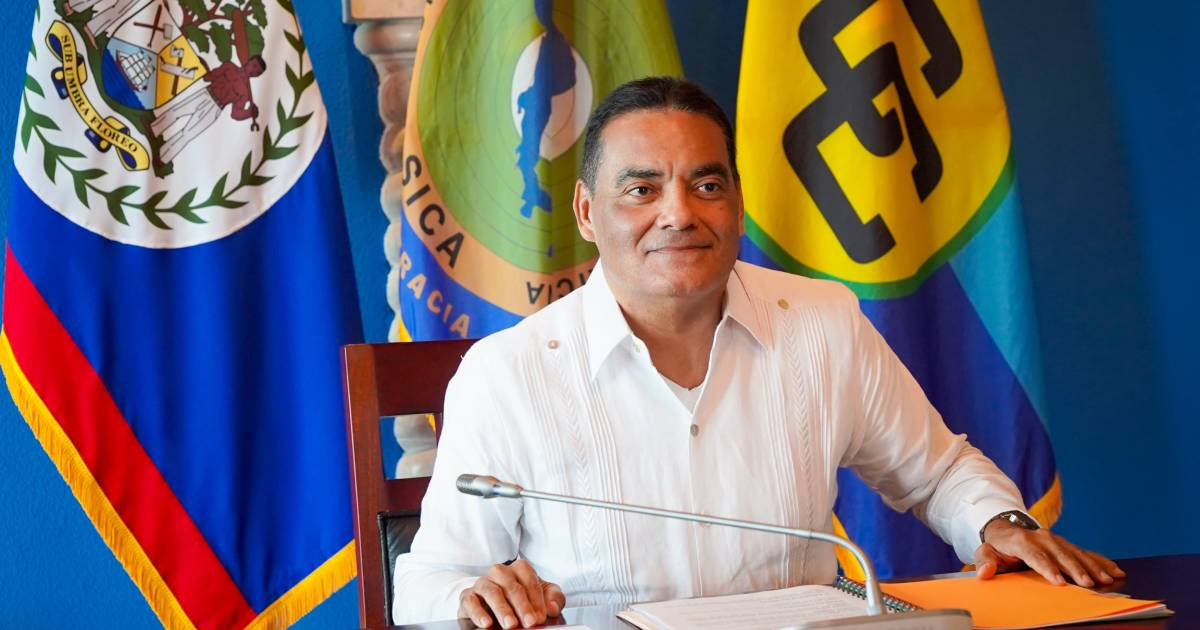
On October 14, Foreign Minister Francis Fonseca confirmed that discussions are still underway and expressed optimism about reaching a resolution before the month's end. "We are still working on it. We've extended the deadline, but I am very optimistic and believe we are close to a solution," he stated, as reported by 7News Belize.
When asked about the potential timeline for a decision, Fonseca responded, "I hope by late October, so just a few more weeks. I am hopeful that we can arrive at a very good solution to this issue."
This announcement marks another postponement, following earlier indications from Belizean authorities that a decision regarding the medical mission's future was expected in September.
Exploring Direct Contracts for Cuban Professionals
One of the options the Belizean government is considering involves offering individual contracts to the Cuban doctors, nurses, and other healthcare workers already serving in Belize, departing from the current program structure. This proposal suggests that professionals would be hired and compensated directly by Belizean authorities, aligning with U.S. demands concerning Cuba's international medical missions.
The United States has raised concerns about the arrangements through which the Cuban government receives payments for its expatriate professionals' services and has pressured several countries to alter or discontinue these programs. However, according to Love FM, Belize did not participate in that payment model.
Additionally, it is noted that Belize's Health and Wellness Minister, Kevin Bernard, previously indicated that the individual contract proposal was presented to Cuban authorities and awaited their acceptance. Yet, Fonseca's recent remarks do not confirm whether Havana has agreed to this approach or if a new agreement has been signed.
Currently, there has been no official announcement regarding the cancellation of the brigade or the departure of its members from Belize.
Impact of Cuban Medical Professionals in Belize
In September, when Belize announced its intention to resolve the status of the 92 Cuban professionals that month, Minister Kevin Bernard highlighted the potential consequences of their withdrawal. The mission's members include general practitioners, specialists, nurses, and technicians who serve in both hospitals and remote communities far from major urban centers.
The situation is particularly critical in the Toledo district in the south, where, according to Bernard's previous data, eight of the 16 available doctors were Cuban. The minister acknowledged that losing these professionals would exacerbate the existing staffing shortages in the public health system.
For this reason, the Belizean government has consistently expressed its desire to find a solution that would retain at least part of the Cuban medical assistance.
FAQs on Belize and Cuban Medical Brigade
Why is Belize reconsidering the Cuban medical brigade arrangement?
Belize is exploring alternatives to maintain the services of Cuban healthcare professionals without adhering to the current cooperation model with Cuba, aligning with U.S. demands for direct contracts.
What could be the consequences of the Cuban brigade's withdrawal from Belize?
The withdrawal of Cuban medical professionals could worsen the staffing shortages in Belize's public health system, especially in remote areas such as the Toledo district.
What is the U.S. stance on Cuba's international medical missions?
The United States has criticized the payment arrangements for Cuba's international medical missions, pressuring countries to adopt direct hiring and payment schemes for Cuban healthcare workers abroad.