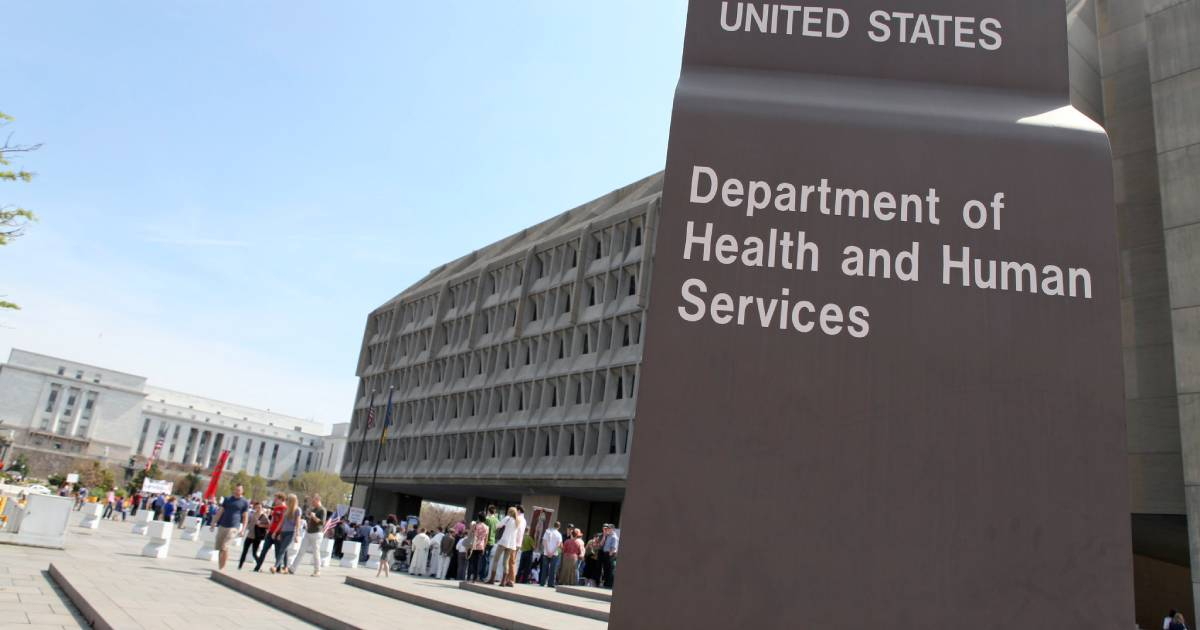
The U.S. Department of Health and Human Services (HHS) has announced a public health emergency in Florida and Alabama due to the aftermath of Hurricane Isaias. This declaration allows for temporary adjustments to certain Medicare, Medicaid, and Children's Health Insurance Program (CHIP) requirements to ensure healthcare accessibility in the impacted areas.
This decision was made on Tuesday, October 13, by Health Secretary Robert F. Kennedy Jr. and publicly announced the following day as part of the federal response to the hurricane's damage.
This health emergency declaration complements the earlier emergency declarations by President Donald Trump on October 9 for both states, enabling the Federal Emergency Management Agency (FEMA) to deploy resources effectively.
Ensuring Continuity of Healthcare Services
Unlike the broader emergency declarations, this health-specific measure aims to support hospitals, doctors, and healthcare providers in continuing patient care, even when administrative requirements become challenging due to hurricane impacts.
"We are committed to maintaining essential services, responding swiftly as needs evolve, and ensuring healthcare availability during both the response and recovery phases," stated Kennedy.
Temporary Adjustments for Medicare and Medicaid
The declaration empowers the Centers for Medicare & Medicaid Services (CMS) to implement temporary waivers and adjustments to certain regulations within the emergency areas.
Among these authorized adjustments are:
- Allowing healthcare professionals licensed in other states to provide services under specific conditions.
- Relaxing payment restrictions for services rendered to Medicare Advantage beneficiaries by out-of-network providers.
- Temporarily modifying certain certification, participation, and pre-authorization requirements for medical service providers.
These measures are intended to prevent disruptions in care for individuals reliant on federal health programs.
It's important to note that this declaration does not involve direct financial aid to families or the suspension of all healthcare requirements. The adjustments are applied under conditions set by federal authorities.
For Cuban residents in Florida who receive Medicare or Medicaid, these provisions may help ensure the continuity of treatments and appointments while healthcare services recover from the hurricane's effects.
According to the HHS's official authorization, these waivers will take effect on October 16, with retroactive application to October 6 in Florida and October 7 in Alabama.
Special Considerations for Patients Dependent on Medical Equipment
Prior to Hurricane Isaias making landfall, the Administration for Strategic Preparedness and Response (ASPR) deployed personnel to high-risk areas and sent specialized teams to assess medical facility impacts and assist local authorities.
As part of the response, the ASPR shared information from the HHS emPOWER program, which identifies, by geographic area, the number of Medicare beneficiaries reliant on electric medical equipment or essential health services.
This tool also provides data on patients needing dialysis or specific home healthcare services, which becomes crucial following the extended power outages caused by Isaias.
Hurricane Isaias struck near Destin, Florida, on October 9 as a Category 2 storm with sustained winds of 105 miles per hour, causing significant property damage and power outages across various regions in Florida and Alabama.
24/7 Psychological Support Available
The HHS reminded individuals emotionally affected by the disaster that they can reach out to the Disaster Distress Helpline, managed by the Substance Abuse and Mental Health Services Administration (SAMHSA).
This service is available 24/7 and offers assistance in over 100 languages through telephonic interpretation. Affected individuals can call or text 1-800-985-5990 for support.
FAQs on Medicare and Medicaid Changes After Hurricane Isaias
What changes have been made to Medicare and Medicaid due to Hurricane Isaias?
Temporary waivers allow healthcare providers with licenses from other states to offer services, relax payment restrictions for out-of-network providers, and modify certain certification and pre-authorization requirements.
When do the Medicare and Medicaid waivers take effect?
The waivers become effective on October 16, with retroactive application to October 6 in Florida and October 7 in Alabama.