This past Wednesday, Cuba's Council of Ministers approved Decree 178, known as the Housing Cooperatives Regulation. This measure establishes the legal framework for the creation, operation, and dissolution of housing cooperatives within the country.
Published in the Official Gazette No. 86 Ordinary of 2026, spanning pages 136 to 155, the decree bears the signature of Prime Minister Manuel Marrero Cruz.
The regulation describes a housing cooperative as "an association of individuals, henceforth referred to as members, who voluntarily unite to address their housing needs collectively, and to undertake urban and architectural projects, including new construction, rehabilitation, and preservation."
According to the decree, these cooperatives possess legal personality and their own assets, enabling them to fulfill fiscal, credit, labor, environmental, contractual, hygiene, and urban obligations.
Members can contribute money, tangible and intangible goods, and property rights, which become part of a collective regime aimed at building or refurbishing homes.
Upon completion of the construction projects, members have two options: dissolve the cooperative and adopt the Horizontal Property regime, or maintain the cooperative while engaging in additional economic, social, and cultural activities, such as gardening, equipment installation, or vehicle parking.
Guiding Principles and Legislative Context
Decree 178 is guided by three core principles: voluntary membership and retention; mutual cooperation and assistance among all members; and collective decision-making with equal rights for everyone involved.
This regulation was enacted in accordance with the Final Provision First of Law 187 "On Housing," approved by the National Assembly on July 30, 2026. The law tasked the Council of Ministers with drafting this regulation and introduced cooperatives as a new form of housing management.
On the same day, the Official Gazette No. 86 released a comprehensive package of six housing-related regulations, including not only Decree 178 but also Law 187, Decree 176 (General Housing Law Regulations), Decree 177 (Horizontal Property Regulations), and two resolutions from the National Institute of Territorial Planning and Urbanism concerning cadastral certifications and property value assessments.
Addressing Cuba's Housing Crisis
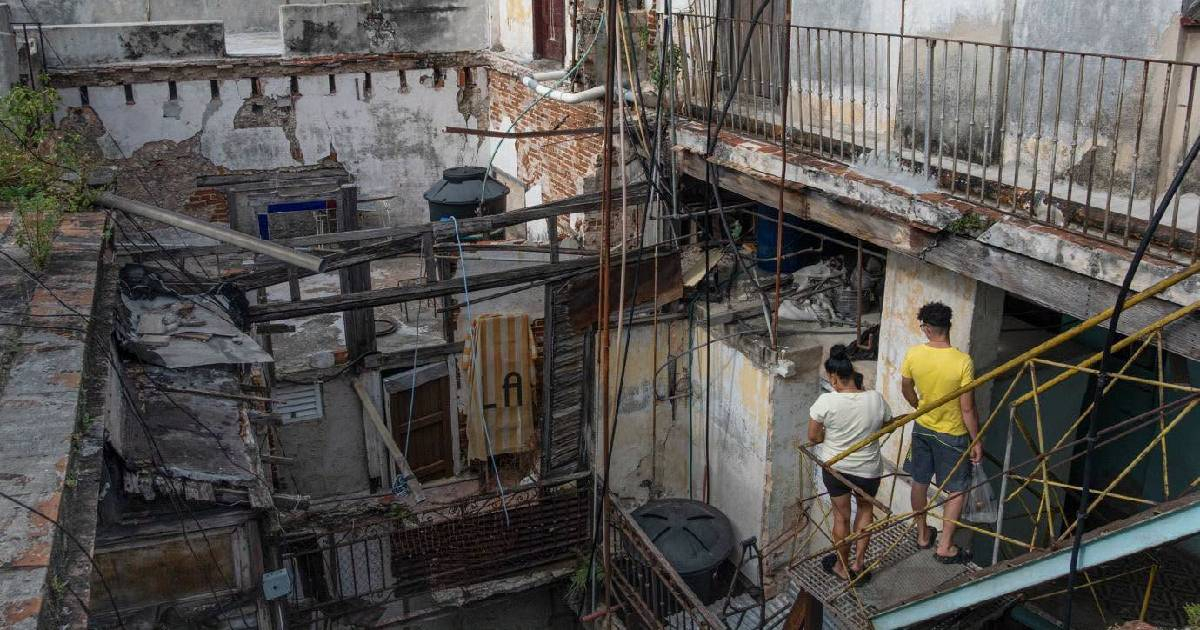
The introduction of this new regulatory framework comes amid a severe housing crisis in Cuba. As of July 2025, the official housing deficit exceeded 805,000 units, with 2026 estimates projecting it to rise to nearly 929,000 homes.
Approximately 35% of the country's housing stock—around 1,450,000 homes—was in fair or poor condition, while the state construction plan achieved only 22% of its target in 2025, with just 2,382 units completed out of the 10,795 planned.
Understanding Cuba's Housing Cooperatives Regulation
What is the purpose of Decree 178?
Decree 178 establishes the legal framework for the formation, operation, and dissolution of housing cooperatives in Cuba, providing a structure for collaborative housing solutions.
How does the decree define a housing cooperative?
A housing cooperative is defined as an association of individuals who voluntarily join together to meet their housing needs collectively, undertaking projects such as new construction, rehabilitation, and preservation.
What options do cooperative members have after completing construction?
Members can either dissolve the cooperative and transition to a Horizontal Property regime or continue the cooperative to engage in additional economic, social, and cultural activities.