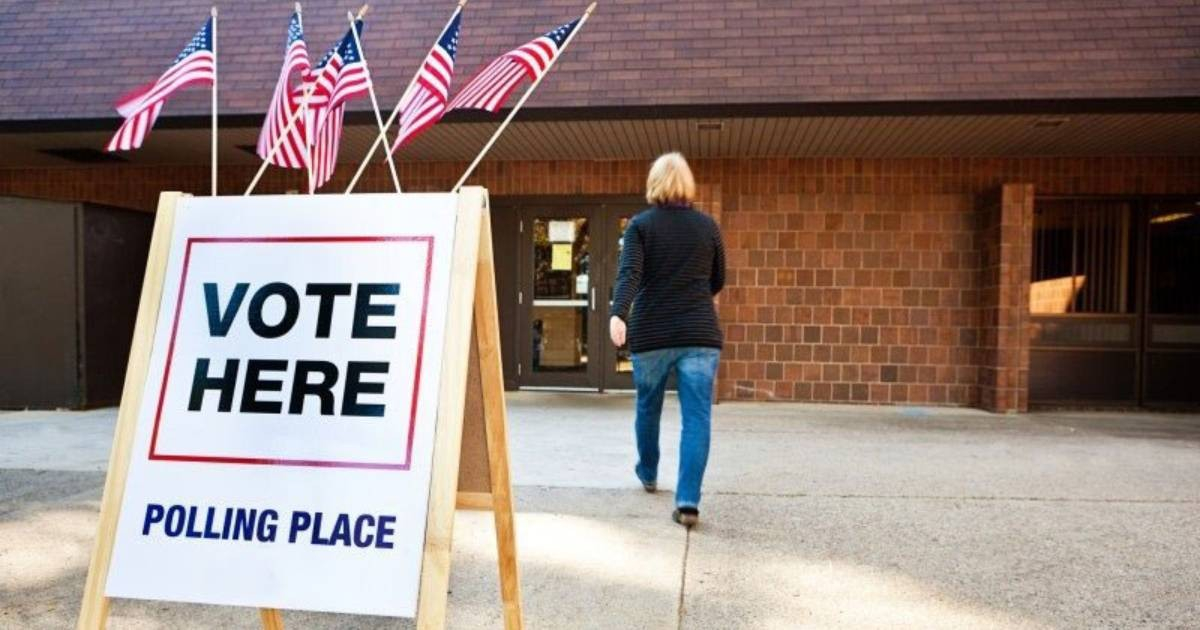
With just three weeks remaining until the midterm elections on November 3, the Cuban-American community in Miami is experiencing unprecedented political tension. While they continue to support pressure against the Cuban dictatorship, immigration raids reaching Little Havana and the rising cost of living have become more pressing concerns, competing with Cuba as a central issue, according to a report by EFE.
Guillermo Grenier, a Sociology professor at Florida International University (FIU) and head of the Cuba Poll, summarized the situation: "The topic of Cuba is always hot, and it will be one of the top two issues, but behind the economy and immigration."
Grenier completely ruled out a shift in votes towards the Democratic Party, but he warned that abstention could also penalize Republicans: "Trumpism is creating immigration problems for a minority of Cubans, but since they are Republicans, voting for a Democrat is not an option here."
Immigration raids in Little Havana are part of a broader landscape affecting thousands of Cubans in the United States. Stay updated on policies, deportations, and rights in our Immigration in the U.S. section.
The support of this community for Trump reached its highest point in the history of the survey: the 2024 Cuba Poll recorded a 68% intention to vote for the Republican candidate among Cuban-Americans in Miami-Dade, compared to 23% for Kamala Harris, a factor that was crucial for Trump to win the county for the first time since 1988.
Two years later, Immigration and Customs Enforcement (ICE) operations are no longer something Cubans watch on television; they have reached the heart of Little Havana.
Political Battle in Florida's 27th Congressional District
The electoral epicenter of this tension is Florida's 27th Congressional District, which includes most of Miami, such as Little Havana, where Republican Congresswoman María Elvira Salazar and Democrat Eliott Rodríguez, both journalists with Cuban roots, are facing off. An internal poll places them tied at 45% among likely voters in a district where 73.5% of residents are Hispanic.
Salazar made headlines with a public confrontation with Trump in September by releasing a video outside the White House: "Mr. President, your immigration policies have gone too far. In July, your administration detained fifty thousand people, and half had no criminal record." Trump responded that he supported her but disagreed, adding, "María won only because of me."
Rodríguez countered by accusing Salazar of being "complicit" in those same policies and reminded that she voted to fund immigration agents with $100 billion.
Early voting in Miami-Dade begins on Monday, October 19, at 28 centers from 7:00 a.m. to 7:00 p.m., lasting until November 1. The deadline to request a mail-in ballot is October 22 at 5:00 p.m.
Key Issues for Cuban-American Voters in Miami
Why is the Cuban-American community in Miami divided over immigration raids?
The Cuban-American community supports pressure against the Cuban dictatorship, but immigration raids, especially in areas like Little Havana, have become a significant concern as they directly impact the community.
What role does the economy play in the upcoming elections for Cuban-Americans?
The economy is one of the top issues for Cuban-Americans in Miami, alongside immigration and Cuba-related policies, influencing their voting decisions in the upcoming elections.
Who are the main candidates in Florida's 27th Congressional District?
The main candidates are Republican Congresswoman María Elvira Salazar and Democrat Eliott Rodríguez, both of whom have Cuban heritage and are competing in a district with a significant Hispanic population.