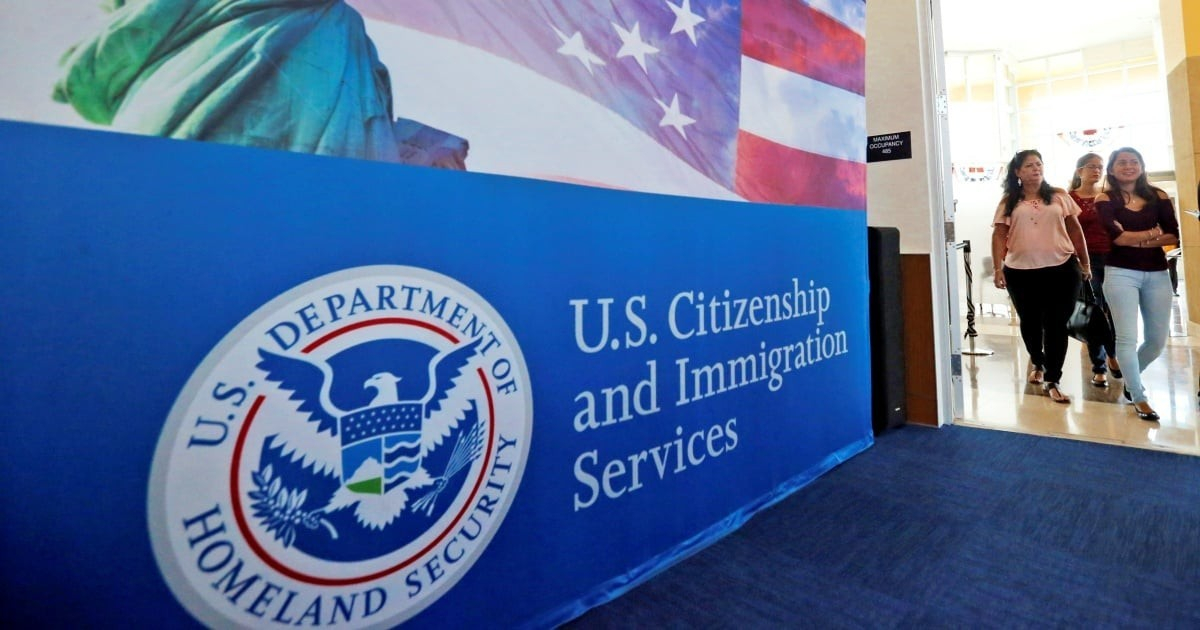
The United States Department of Homeland Security (DHS) announced a new interim final rule on Tuesday that significantly reduces the time frame for a foreign national to respond when notified of the government's intention to revoke their refugee status—from 30 days down to just 10 days.
This federal document, identified as 2026-20956 and signed by Secretary Markwayne Mullin, was officially recorded at 8:45 AM and is slated for publication in the Federal Register on Wednesday, October 14, when it will immediately go into effect.
The regulation amends 8 CFR § 207.9 and applies specifically to those formally admitted as principal refugees under section 207 of the Immigration and Nationality Act (INA), meaning individuals who entered via the United States Refugee Admissions Program (USRAP) using Form I-590 and have not yet adjusted their status to permanent residency.
Exclusions and Impact on Cuban Community
It's crucial for the Cuban community to note that this rule does not impact those with humanitarian parole, asylum, Form I-220A, permanent residency, or citizenship. The majority of Cubans in the U.S. arrived through these avenues, rather than as formal refugees under the USRAP.
This adjustment is one among numerous changes affecting the immigration status of foreigners in the United States. Stay updated on the latest developments in visas, asylum, and refugee policies by following our U.S. Immigration section.
Details and Implications of the Rule Change
The sole legal basis for initiating a termination is if the USCIS determines that the individual did not meet the refugee definition at the time of admission. Once a Notice of Intent to Terminate (NOIT) is received, the person has ten calendar days to submit written documentary evidence or request an oral interview.
The countdown includes weekends and federal holidays; if the deadline falls on a Saturday, Sunday, or holiday, it extends to the next business day. Those notified by mail receive an additional three days, totaling 13 days from the postal dispatch.
The DHS stated that urgent delivery services with tracking and confirmation would be used. If no response is made within the allotted time, it is assumed the individual has waived their right to contest, and the USCIS will proceed with revoking the status. The rule does not provide for administrative appeal against this decision.
The consequences of termination are immediate: employment authorization is revoked alongside refugee status, and the USCIS initiates removal proceedings under sections 235, 240, and 241 of the INA. During these proceedings, the individual may request other forms of protection before an immigration judge. The termination of principal refugee status can also affect spouses and children under 21 listed as dependents.
Justification and Criticism
The DHS estimates that approximately 186,000 refugee cases admitted between fiscal years 2015 and 2025, who have not adjusted their status, could potentially be subject to this rule.
The government argues the urgency of this measure—bypassing the usual proposal and prior comment process—based on recent review findings. According to the preamble of the document, an audit of cases in Minnesota found insufficient evidence in most cases to establish the principal applicant met all required elements of the refugee definition.
Further review of over 14,500 cases from Ecuador, El Salvador, Guatemala, Honduras, and Venezuela admitted between 2021 and 2024 identified more than 1,500 files with signs of potential public safety risks, including alleged gang affiliations.
Refugee advocacy groups have condemned the rule. Naomi Steinberg, Vice President of HIAS for policy and advocacy, described the ten-day response window as "utterly inadequate" for securing legal representation, translating documents, or obtaining records from home countries.
Additionally, the organization warned that some refugees might not receive the notice before the deadline, effectively removing their chance to respond. World Relief also urged the DHS to reverse the rule, characterizing it as a deprivation of due process.
The interim rule takes effect on October 14 without a waiting period, though the DHS is opening a 30-day public comment period starting that day; those wishing to submit feedback must do so in English at regulations.gov, referencing USCIS-2026-0397.
This measure aligns with a maximum-pressure immigration policy pursued by the Trump administration since its inception.
Understanding the New Refugee Status Rule
What is the new response time for refugees notified of status termination?
The new rule reduces the response time from 30 days to 10 days.
Who does this rule apply to?
It applies to individuals admitted as principal refugees under section 207 of the INA, who entered through the USRAP and have not yet adjusted to permanent residency.
Are there any exemptions for the Cuban community?
Yes, the rule does not affect those with humanitarian parole, asylum, Form I-220A, permanent residency, or citizenship, which is how most Cubans in the U.S. arrived.
What happens if the refugee does not respond within the 10-day period?
If there is no response, it is assumed the individual waives their right to contest, and the USCIS will proceed with canceling their status.