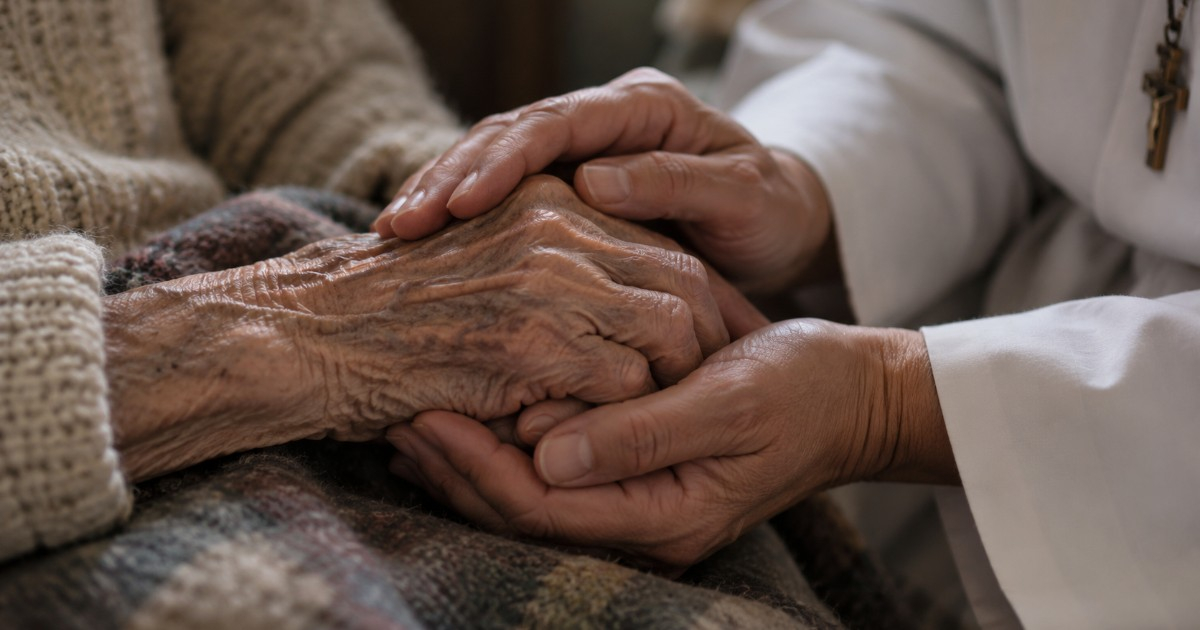
In the San Francisco de Paula Home, located in the La Víbora neighborhood of Havana, a dedicated group of nuns and staff care for 102 elderly women amidst ongoing power outages, medication shortages, and challenges in acquiring food and other essential supplies.
The intricate situation of this center was captured by journalist Rick Jervis from USA Today. His report, based on a visit to the facility and interviews with nuns, staff, residents, and their families, sheds light on their struggles and resilience.
At the helm of this Catholic institution is Sister Cecilia María Fuentes Ávila. She oversees the care of residents, aged between 70 and 91, with the help of approximately 80 staff members, including 17 nurses and two doctors, as noted during Jervis’s visit.
The residents receive free accommodation and care. While many require constant assistance with mobility and daily activities, some retain a degree of independence.
Challenges with Medication and Power Outages
A significant issue is the shortage of medications. The staff faces challenges in acquiring antibiotics, treatments for diarrhea, blood pressure medications, and materials for specific medical tests.
Power outages further complicate meal preparation, cleaning, and laundry activities. In response to these electrical disruptions, the home has resorted to using an outdoor wood-burning stove to prepare meals for the residents.
Although the institution has a solar power system to support some services, it lacks the capacity to fulfill all needs. During a 48-hour blackout, the staff struggled to operate the laundry facilities and had to find alternative ways to care for the elderly women.
Support and Community Contributions
Sister Fuentes explained that acquiring necessary products has become a daily challenge. Even with funds available, certain items remain elusive at local stores.
The home receives support from Cáritas Cuba and donations facilitated by religious communities and international collaborators. While these resources help maintain services, they don’t eliminate the challenges in caring for the residents.
The article also highlights the family situations of the elderly women. Many ended up at the center because their families could not provide continuous care amid economic hardships and emigration.
Dr. Gladys Pazos, one of the medical professionals at the institution, noted that the reasons for admission vary. The report also documents family members visiting and staying connected with the residents.
During his visit, Jervis spoke with a son who placed his mother in the home because he couldn’t balance his job with her round-the-clock care needs. For him, the nuns’ support was crucial.
Continuing Efforts and Broader Impact
At San Francisco de Paula, the nuns continue to receive admission requests and maintain a waiting list. Meanwhile, the staff strives to ensure the nutrition, hygiene, and medical care of the 102 residents with the resources at hand.
The work at this center mirrors the efforts of other religious institutions and citizen networks in Cuba. For instance, in September, the Monseñor Adolfo Home in Camagüey received food and wheelchairs from the United States, thanks to donations from Catholic faithful, emigrants, and collaborators.
Recently, solidarity networks have also distributed free medications in Havana to assist those impacted by the pharmaceutical shortages.
FAQs about Caring for the Elderly in Cuba
What are the main challenges faced by the San Francisco de Paula Home?
The main challenges include power outages, shortages of medications, and difficulties in acquiring food and essential supplies.
How does the home manage during power outages?
The home uses an outdoor wood-burning stove for cooking during power outages and relies on a solar power system for some services, although it is insufficient for all needs.
Who supports the San Francisco de Paula Home?
The home receives support from Cáritas Cuba and international donations from religious communities and collaborators.