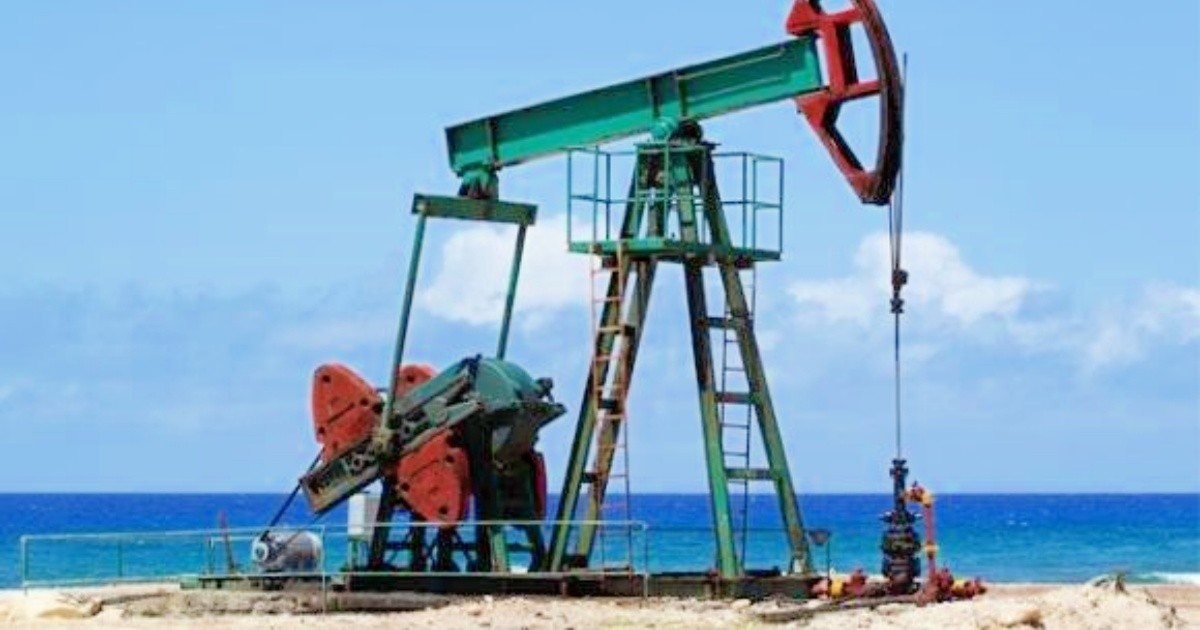
The Cuban Council of Ministers has enacted Decree 184, which serves as the regulatory framework for the previously established Decree-Law 135 "On Oil and Gas." This new decree outlines the comprehensive legal framework for all petroleum-related activities in Cuba, from exploration to the marketing of crude oil, gas, and their derivatives.
Signed by Prime Minister Manuel Marrero Cruz on September 29, 2026, the decree was published in the Official Gazette No. 85 Ordinary of 2026 on Monday, spanning pages 21 to 67.
This regulation complements the Decree-Law 135 "On Oil and Gas," which was approved by the Council of State on September 3, 2026, providing the foundational legal framework for the sector. According to the text, the decree aims to establish regulations on oil and gas that supplement the provisions laid out by Decree-Law 135.
Scope and Application of the Decree
The decree's scope is extensive, covering exploration, production, refining, transportation, storage, and marketing of oil, gas, and their by-products. It applies to activities conducted onshore, in the continental shelf, and in Cuba's exclusive economic zone.
It is applicable to both natural and legal persons, whether national or foreign, engaged in petroleum activities under the Decree-Law. This includes state-owned entities as well as potential foreign investors.
Key Provisions of Decree 184
Some of the most significant aspects of the decree include:
- Central Mining Petroleum Registry of Permits and Licenses: Details the enrollment procedures with a 30-business-day timeframe for application resolutions and a seven-day period for requirement verification. The National Office of Mineral Resources is designated as the governing body for this registry and for ensuring regulatory compliance.
- Production Sharing Contracts and Petroleum Concessions: Governs the granting, procedural aspects, and fiscal treatment, which are crucial for attracting foreign investment in the sector.
- Evaluation and Accreditation of Entities: Sets forth the criteria that companies must meet to operate in exploration and production.
- Gas Flaring and Venting Regulations: Implements specific rules regarding these practices as well as the temporary or permanent closure of wells and fields.
- Insurance, International Relations, and Penalties: Also addresses the insurance regime for petroleum activities, relationships with international organizations and associations, and applicable sanctions.
The application of the decree will be further supported by manuals and regulations from the Ministry of Energy and Mines, the National Office of Mineral Resources, and the National Office of Standardization, in addition to recognized international industry standards.
Impact on Cuba's Energy Sector
Moreover, the decree repeals previous provisions issued by the Minister of Energy and Mines and the director of the National Office of Mineral Resources on this subject, with the stated aim of unifying and modernizing the sector's regulatory framework.
Decree 184 comes at a time of severe energy crisis. The national production by the Union Cuba-Petroleum (CUPET) amounts to approximately 40,000 barrels per day, against an estimated internal demand of between 90,000 and 110,000 barrels daily. This leaves the country meeting only about a third of its consumption with its own resources. The halt in Venezuelan supplies since late 2025, combined with the suspension of Mexican shipments at the start of 2026, has exacerbated this external dependency, making the attraction of investment into the sector a top priority for the regime.
Frequently Asked Questions about Decree 184 and Cuba's Oil Sector
What is the main purpose of Decree 184?
Decree 184 aims to establish a detailed legal framework for all petroleum activities in Cuba, supplementing the provisions of Decree-Law 135.
Who is impacted by the new regulations under Decree 184?
The decree affects both national and international entities, including state-owned enterprises and potential foreign investors involved in petroleum activities in Cuba.
How does Decree 184 address the current energy crisis in Cuba?
The decree seeks to attract foreign investment to boost local production, thus addressing the gap between domestic production and the country's energy demand.