The Ministry of the Revolutionary Armed Forces (MINFAR) stirred controversy on Monday by sharing a quote from Fidel Castro on Facebook, bringing back the familiar theme of sacrifice that the Cuban regime has echoed for decades, especially emphasized in 2026.
The post declared, "We are a small nation, but one worthy of respect! We may be small in size, but we are large in dignity! We are a small nation, yet we command respect simply because the Cuban has proven to know how to die!"
Under the hashtag #FARCuba, the complete message added, "The Cuban people have shown that despite tanks, cannons, bombs, airplanes, and thousands upon thousands of soldiers—more than they could ever send us again—we managed to wrest weapons from their hands."
These words are not new; they stem from a speech Castro delivered on May 14, 2004, in response to the so-called "Bush Plan for a Free Cuba" and the appointment of a U.S. coordinator for political transition on the island. Over twenty years later, the military apparatus resurrects them as if they are an answer to current challenges.
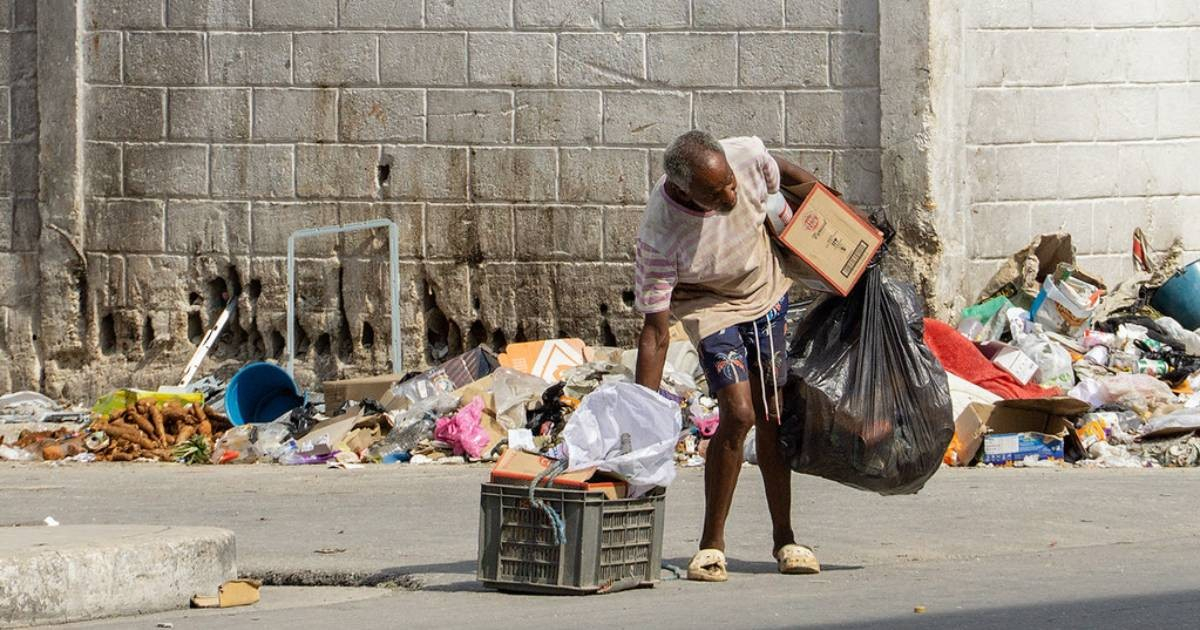
The post sparked reactions among Facebook users, who questioned the meaning of discussing dignity and sacrifice in a country where millions struggle to meet basic needs.
One user sharply commented, "Dignity doesn't fill your stomach," directly criticizing the official message. "Yes, very worthy of respect. That's why millions of Cubans despise misery and hunger," another ironically remarked, while a third queried, "And where is that dignity?"
Comments such as "And without food!" and "Eat proteins" highlighted the gap between Castro's words about Cubans' willingness to die and the daily struggles to secure food.
Some users directly challenged the legacy of the deceased leader. "Cuba was a free and prosperous nation, with a future brighter than the rest of Latin America, but then Castro came and ruined it," wrote one commenter.
Sarcasm towards the official propaganda was also present. "The beacon of death, misery, slavery, imprisonment...," one user quipped, while another noted, "I imagine North Koreans hold similar views."
This publication is not an isolated incident. The regime declared 2026 the "Year of Defense Preparation," transforming MINFAR's social media into a stream of militaristic slogans. In January, the ministry warned that the fall of socialism would lead to an alleged "genocide," asserting that the flags of the Revolution "will not be surrendered without a fight."
In May, MINFAR circulated slogans like "victory or death" and "the order to cease fire will never be given," accompanied by images of soldiers, rifles, and missiles. In August, it returned with images of soldiers in trenches chanting for the defense of the socialist homeland.
The stark contrast between this rhetoric and the harsh realities faced by the Cuban population is glaring. Inflation climbed to 25.19% in August, with food accounting for nearly three-quarters of the monthly price increases. The Gross Domestic Product shrank by approximately 5% in 2025, marking the third consecutive year of decline. The electrical system suffered at least seven major collapses throughout the year, causing blackouts lasting up to 48 hours in various provinces.
The tactic of using the populace as a political and rhetorical shield during crises is not new to the regime's discourse. However, its intensity in 2026 aligns with a population enduring hunger, darkness, and scarcity while being urged to be ready to die.
Understanding Cuba's Sacrifice Rhetoric Amid Economic Struggles
What prompted MINFAR to share Fidel Castro's quote now?
MINFAR shared Castro's quote as part of a broader strategy to reinforce a narrative of sacrifice and resilience at a time when the Cuban regime faces significant economic and social challenges.
How are Cubans reacting to the government's rhetoric?
Many Cubans are expressing skepticism and frustration, questioning the relevance and sincerity of the rhetoric in light of ongoing hardships such as food shortages and economic decline.
Why is 2026 significant for Cuba's military rhetoric?
The year 2026 has been designated as the "Year of Defense Preparation" by the Cuban regime, marking an intensified focus on militaristic messaging and preparation amidst domestic challenges.