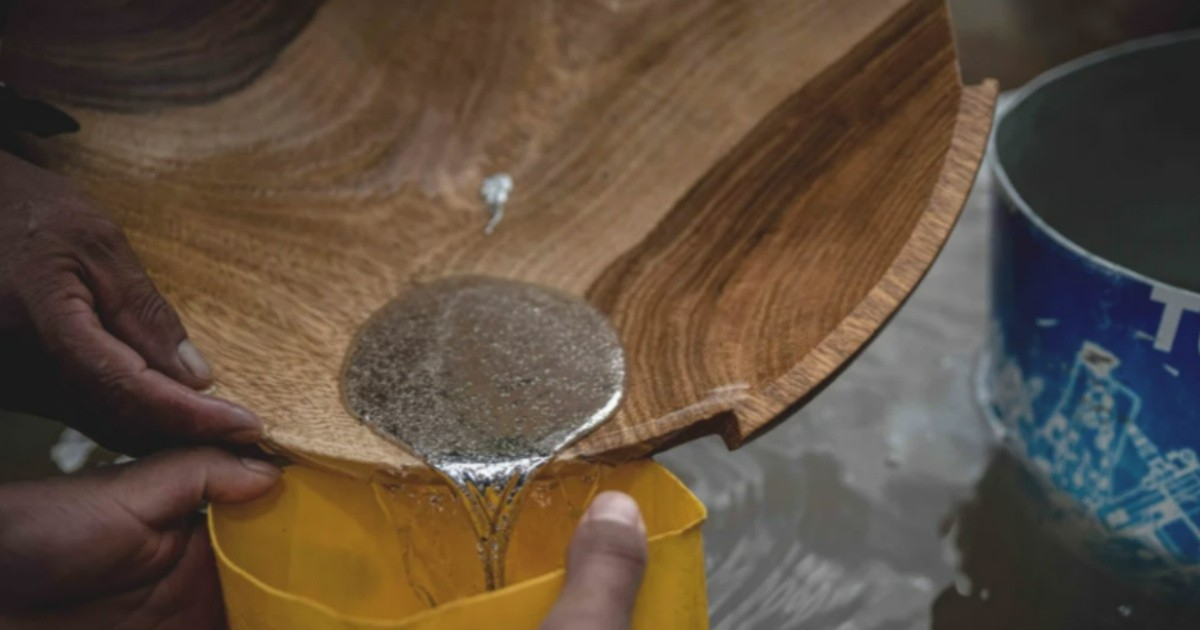
The illegal gold mining boom in Jobabo, a municipality in Las Tunas province, has triggered a silent health emergency. The rampant use of mercury in artisanal gold extraction is causing a surge in neurological, kidney, and psychiatric disorders, affecting increasingly younger populations, as highlighted by Dr. Alejandro Mestre Barroso, a toxicology expert, in a report by the state-run Periódico 26 released on Mercury Pollution Action Day.
Initially a means of survival for communities like La Guásima and Jobabito, this activity has escalated into a serious public health issue driven by Cuba's deepening economic crisis.
The Dangerous Process of Gold Extraction
The artisanal extraction process, known locally as "asobe," involves washing soil, adding elemental mercury to amalgamate the gold, and then burning the mixture. This heating process transforms the elemental mercury into highly toxic inorganic mercury. When mercury seeps into lakes and rivers during washing, it is degraded by microorganisms into methylmercury, a more lethal substance that accumulates in the food chain.
"The primary target organ is the central nervous system," warns Mestre Barroso, citing the potential for neurodegenerative diseases as well as cardiovascular and renal complications.
Alarming Health Statistics
The first recorded case at Jobabo Hospital was a "rare Parkinson’s" in an illegal mine worker. "We suspected it was toxic Parkinsonism," recalls the specialist. Since then, the full severity of the issue has become evident: Jobabo now records one of the highest rates of kidney disease in the province, alongside a notable increase in psychiatric patients suffering from schizophrenia, paranoia, and depression.
The most concerning aspect is the demographic of those affected. "We are seeing young adults, aged 25 to 30, presenting with acute kidney failure due to mercury complications," states the toxicologist. "Since 2024, we've treated more than 25 patients. Nationally, this figure is three times the expected rate."
Government Response and Economic Incentives
Warnings about illegal mining in the province first surfaced in 2024, with subsequent alerts in 2025 and again this year. Instead of diminishing, the practice has spread to El Cornito and other areas, attracting people from neighboring municipalities. "While we can't pinpoint the exact area with the highest mining activity, Jobabo and La Guásima are the most severely impacted," notes the expert.
The economic lure is undeniable: a gram of refined gold fetches over 60,000 Cuban pesos locally, far exceeding any traditional rural income on the island. Authorities have conducted several operations in the region; eight individuals were arrested in Jobabo in March 2025 for illegal gold dust extraction and trafficking, with fifteen more detained in July of the same year, yet the activity persists.
Mercury Pollution and International Obligations
In August 2026, a violent altercation among clandestine miners resulted in a fatality, underscoring that the dangers extend beyond health risks.
Cuba has been a signatory of the Minamata Convention on Mercury since 2018, a treaty mandating countries with artisanal gold mining to reduce and eradicate mercury use in amalgamation processes. The Cienfuegos Environmental Studies Center is actively collecting samples from affected areas to assess contamination levels. In September 2026, MINSAP regulated occupational health exams and included mercury among chemical hazards subject to mandatory workplace monitoring.
The specialist emphasizes that early detection of damage offers hope for recovery: "Anyone experiencing symptoms should seek medical attention promptly. Antidotes are available that can mitigate effects depending on the clinical situation." However, once damage becomes chronic, reversal is challenging. "This isn't just a problem for Jobabo or Las Tunas," concludes Mestre Barroso. "It's a public health crisis demanding immediate and coordinated action. Mercury is unforgiving, and its victims are getting younger."
Frequently Asked Questions on Mercury Poisoning in Las Tunas
What are the health effects of mercury exposure?
Exposure to mercury can lead to severe health issues, including neurological, cardiovascular, and renal complications. It primarily affects the central nervous system.
Why is illegal gold mining prevalent in Las Tunas?
The economic crisis in Cuba has driven many to illegal gold mining as a lucrative alternative, with a gram of refined gold selling for over 60,000 Cuban pesos, far surpassing traditional incomes.
What actions are being taken to mitigate mercury pollution?
Cuba, as a signatory of the Minamata Convention, is obligated to reduce mercury use. Environmental studies are being conducted to assess contamination, and occupational health regulations have been updated to monitor mercury exposure.