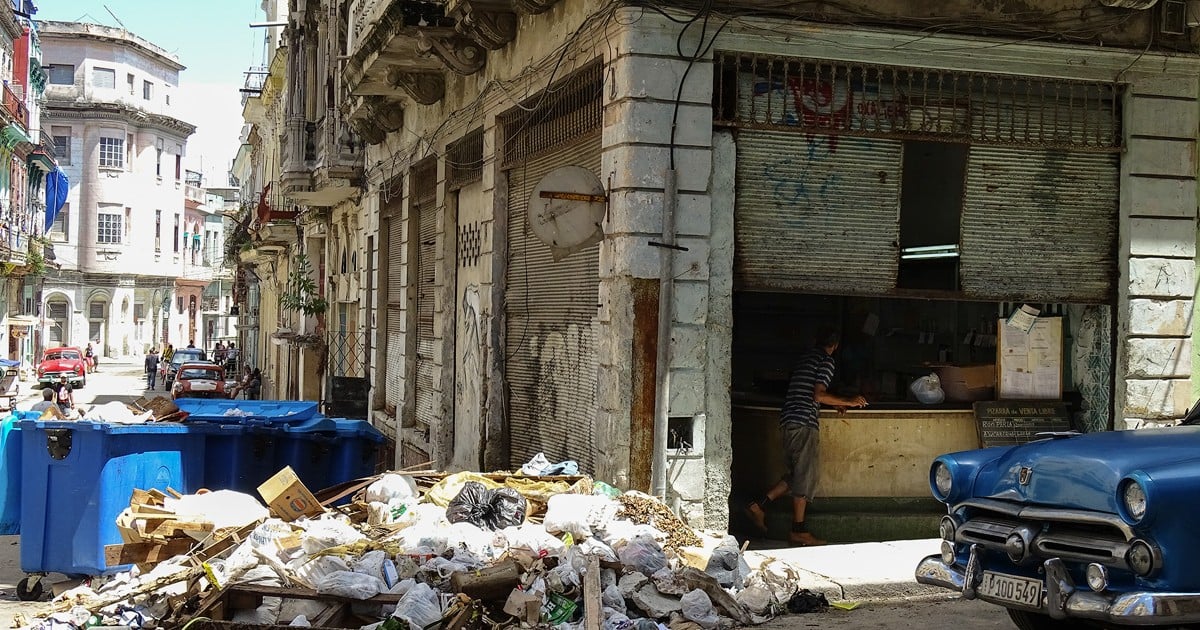
The Cuban government is moving forward with its plans to transform local stores and gradually phase out the ration book, two hallmarks of the socialist economic model that have stood for decades.
These measures, announced in 2026, are part of a strategy that has been in the works for years, first articulated publicly during Raúl Castro's leadership. The plan involves replacing universal subsidies with targeted assistance for vulnerable groups and converting the state-run distribution network into commercial outlets. However, this shift has left many Cubans unable to afford basic necessities with their wages and pensions.
The Historical Context of Cuban Stores and the Ration Book
Cuban stores, known as "bodegas," were not originally a product of socialism. They were private businesses, many family-run, deeply embedded in the economic and social fabric of Cuban neighborhoods since the 19th century. These stores were ubiquitous in major cities, offering affordable essentials and building trust with customers through practices like credit sales.
In the 1960s, the government dramatically altered this economic model. Storeowners lost their businesses, products vanished from shelves, and the state took control. On July 12, 1963, the Offices of Food Control and Distribution (OFICODA) were formally established, and the Consumer Registry was created. The Cuban state, under Fidel Castro, implemented the ration book system, shifting the role of bodegas from commercial enterprises to rationed goods distribution points.
Raúl Castro's Announcement and Continued Policies
Over 15 years ago, Raúl Castro initiated the move to end the ration book. By December 2010, economic reforms he championed sought to replace generalized subsidies with aid for those in genuine need. Despite the strategy, a core issue remained: citizens' incomes were insufficient to eliminate the ration book's regulated food sales.
In April 2011, the Communist Party's Sixth Congress report reinforced the goal of removing the ration book, sparking debate since many Cubans relied on subsidized goods for sustenance. The policy direction was clear: shift resources to specific individuals rather than subsidizing products universally. Yet, no solution emerged for ensuring citizens excluded from this aid could afford market-priced food.
Continuing Strategy Under Díaz-Canel and Marrero Cruz
The leadership transition from Raúl Castro did not alter this strategy. In October 2020, Miguel Díaz-Canel declared the gradual elimination of the ration book, linking it to reforms in wages, pensions, and pricing. The "Ordering Task" aimed to create conditions to phase out subsidies but failed due to inflation, currency devaluation, and scarce resources, worsening the struggle for basic food access and increasing extreme poverty.
By December 2024, Prime Minister Manuel Marrero Cruz confirmed the commitment to advance with subsidy removal, despite its social impact. His remarks highlighted a critical contradiction: while acknowledging that many workers couldn't afford market prices, the government persisted in subsidy elimination.
The 2026 Transition and Economic Realities
The commercial transformation declared in 2026 underscores this ongoing strategy. In September, the reconversion of stores and butcheries into neighborhood markets managed by private businesses and cooperatives was announced. The state provides tax incentives and temporary lease exemptions but retains property ownership, creating a paradox where it now seeks private actors to revive businesses it once dismantled.
On October 8, the Ministry of Domestic Trade (Mincin) designated 1,913 stores to serve vulnerable populations within a national network of over 12,000. This move affirms a shift towards differentiated distribution based on government-defined vulnerability criteria.
The Unresolved Socioeconomic Crisis
Cuba's economic crisis reveals the frailty of this policy. Removing subsidized distribution without ensuring citizens can replace it with their earnings is problematic. Subsidizing individuals instead of products might be economically sound if wages were adequate, markets well-stocked, and economic management transparent.
Yet, in Cuba, precariousness affects not only the unemployed or those unable to work due to health issues but also state employees and pensioners living on a basic income of 3,210 CUP, insufficient to buy a carton of 30 eggs (4,000 CUP). Neighborhood markets offer slightly lower prices than private establishments, yet remain out of reach for most Cubans.
The ration book's demise reflects a consistent political trajectory. The regime nationalized stores, transforming them into ration distribution points. Raúl Castro announced the gradual end of universal subsidies, a goal embedded in the Communist Party's guidelines and reaffirmed by Díaz-Canel, with 2026 economic measures advancing its implementation. This policy cannot be attributed to current U.S. tensions; it stems from long-standing internal decisions.
No society should consider it normal for its citizens to depend on a ration card for basic goods, akin to post-war conditions. The Cuban government should have phased out the ration book due to economic development, yet chose to do so when citizens depend on it for survival.
Understanding the Impacts of Cuba's Economic Reforms
What are the main changes in Cuba's economic policy regarding rationing?
Cuba's economic policy changes involve phasing out the ration book and transitioning from universal subsidies to targeted assistance for vulnerable groups, while converting the state-run distribution network into private commercial outlets.
How have these changes affected Cuban citizens?
Many Cubans struggle to afford basic necessities due to inadequate wages and pensions, exacerbated by inflation and scarcity, despite the shift to targeted subsidies and commercial markets.
Why did Raúl Castro initiate the end of the ration book?
Raúl Castro aimed to replace generalized subsidies with aid for those truly in need, as part of broader economic reforms to make resource allocation more efficient and targeted.