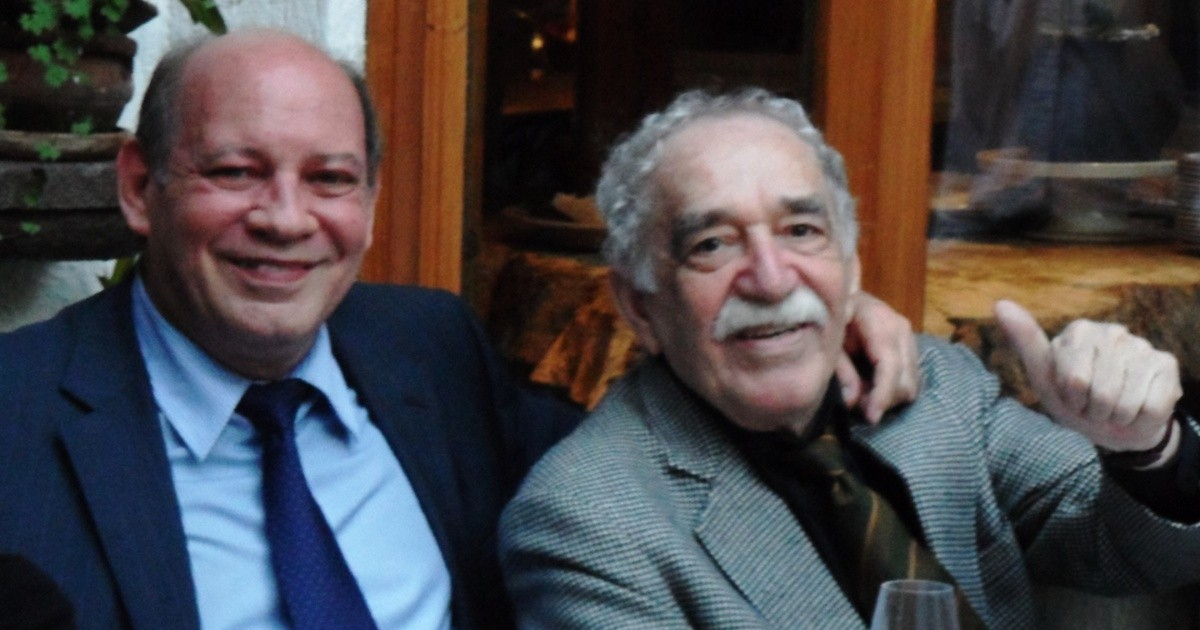
Renowned Cuban writer Manuel Pereira Quinteiro passed away this past Saturday in Mexico. The news was shared by Mexican poet and essayist Tania Favela in a widely circulated social media post. "Farewell to Manuel Pereira, Cuban writer. Today he left this world; may he now be in paradise with his dear Lezama Lima, resuming the Delphic Course," Favela wrote in tribute to the Havana-born narrator, essayist, and journalist.
Born on October 31, 1948, in Havana, Pereira's work traversed the revolutionary illusion, endured regime censorship, and embraced exile, eventually establishing him as one of the most distinctive voices in contemporary Cuban literature. His biography and complete works are documented on his personal blog, known as "El Azogue de La Habana Vieja."
Early Career Under the Shadow of Censorship
Pereira's literary journey began in 1969, heavily influenced by José Lezama Lima, a relationship he described as "from chair to chair" in the poet's home. He earned a degree in Journalism in 1978 and led the editorial team of the magazine Cine Cubano from that year until 1984.
His debut novel, El comandante veneno, penned between 1972 and 1974, faced rejection from a military jury for having "foreign influences" and "pornographic passages." The award was left unclaimed. "The novel remained confiscated for three years in the drawer of a lieutenant who happened to be named Raúl Castro," Pereira recalled in an interview with 14ymedio. The work was finally published in Havana in 1977.
Life in Exile and Literary Success Abroad
Pereira left Cuba in January 1991 at the onset of the Special Period, heading to Berlin. He spent a decade in Spain, conducting literary workshops in Cadaqués and a prison in Mallorca, before settling permanently in Mexico City in late 2004, where he taught at the Ibero-American University.
In Mexico, he found a nurturing environment for his most mature and critical works. He published several acclaimed books, including Insolación (Diana, 2006), Mataperros—which won the 2006 International Story Award Cortes de Cádiz—Un viejo viaje (2010), and El beso esquimal (2015). His writings have been translated into languages such as German, English, Italian, Portuguese, Dutch, and Czech, and published across Europe and the Americas.
A Legacy of Autobiographical Narratives
Pereira described himself as an autobiographical storyteller: "Almost everything I recount, I have lived, but I also narrate the life of my generation," he stated. Reflecting on his peers, he said, "The generation that believed in so many things and became disillusioned with so many."
Mexico, where he spent his last two decades, also became the stage for his farewell. "Mexico is kind, it 'pamper' me, as they say here," he once remarked.
Exploring Manuel Pereira's Impact on Literature
What influenced Manuel Pereira's early literary career?
Manuel Pereira was significantly influenced by the Cuban poet José Lezama Lima, with whom he had a close relationship. This mentorship helped shape his early literary work.
How did Manuel Pereira's novel "El comandante veneno" become known?
"El comandante veneno" was initially rejected by a military jury for its perceived "foreign influences" and "pornographic passages." It remained unpublished for several years until its release in Havana in 1977.
What languages have Manuel Pereira's works been translated into?
Pereira's narratives have been translated into several languages, including German, English, Italian, Portuguese, Dutch, and Czech.