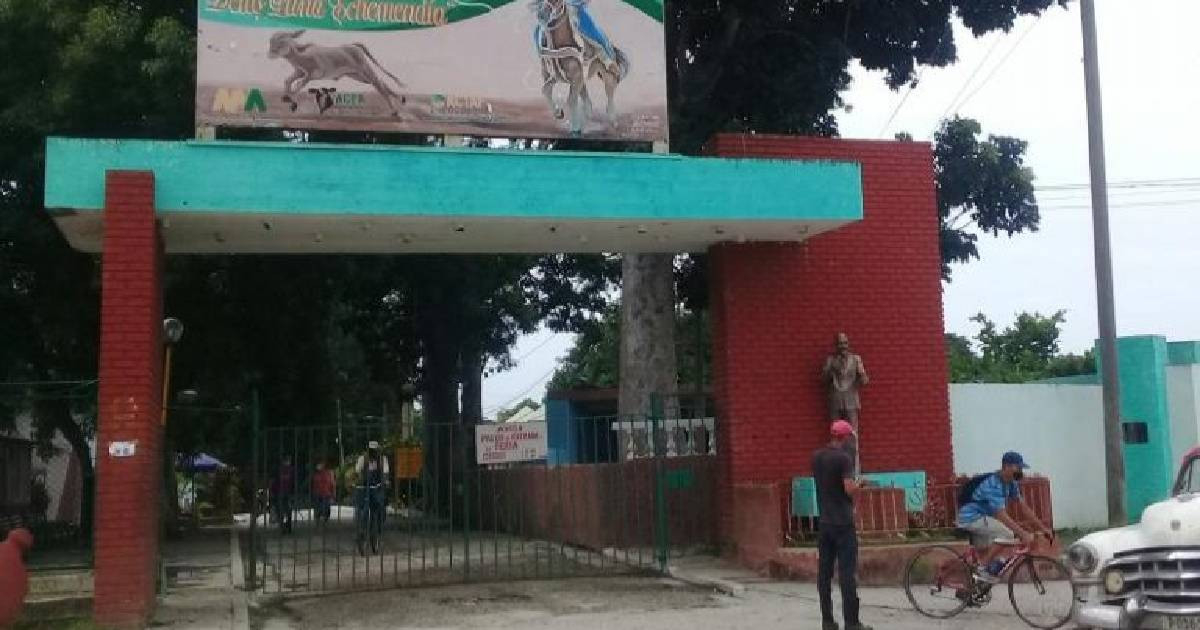
The Delio Luna Echemendía Agricultural Fair in Sancti Spíritus recently raised its entry fee from five to 20 Cuban pesos, a decision that sparked discontent among local residents and prompted authorities to publicly justify the change.
The official newspaper, Escambray, published a statement from the fair's management, explaining that the event operates under an enterprise system linked to the Ministry of Agriculture. The 176 economic and social reforms approved by the National Assembly in June now allow such enterprises the autonomy to set their own prices.
According to the press, state companies can now "decentralize the authority to approve wholesale and retail prices," factoring in costs, market trends, and the value chain, without needing higher approval.
This legal framework, outlined in the Decree-Law that extends state enterprise autonomy, forms the basis of the fair's pricing decision.
The management assured that the price change "was neither random nor whimsical, and was even pre-discussed," adding that the current fee of 20 pesos "is still significantly lower than charges at other fairs across the country, which range between 50 and 150 pesos."
Revenue from ticket sales is used to address urgent expenses: repairing facilities, painting, refurbishing the rodeo track—which requires welding—and preparing the grounds. These projects must be contracted with micro, small, and medium-sized enterprises (MSMEs) or independent workers who charge high rates. Additionally, a portion of the collected funds is transferred to the municipal government's festivities account.
However, not everyone was satisfied with the explanation. Commenter Alex pointed out on Escambray that the article failed to clarify why the increase was not announced in advance: "As is often the case, if people don't protest, no one explains, and that's what causes the most harm."
This price hike occurs amid a widespread increase in costs at recreational venues throughout Cuba, where the average salary is approximately 6,800 pesos per month.
For instance, the National Aquarium in Havana charges 150 pesos for adult entry, and the Arte para Mamá fair in Sancti Spíritus, held in May, also faced criticism for prices deemed unaffordable for most Cubans.
Understanding the Economic Changes at Sancti Spíritus Fair
Why did the Sancti Spíritus Agricultural Fair increase its entry fee?
The fair increased its entry fee to align with new economic policies granting autonomy to state-run enterprises, allowing them to set prices based on costs and market trends.
How will the additional revenue from the increased entry fee be used?
The additional revenue will be allocated to urgent expenses such as facility repairs, painting, rodeo track refurbishment, and ground preparation, with some funds going to the municipal government's festivities account.
What has been the public reaction to the price increase?
The public reaction has been largely negative, with residents expressing dissatisfaction over the lack of prior notice and the general trend of rising prices in Cuba's recreational spaces.