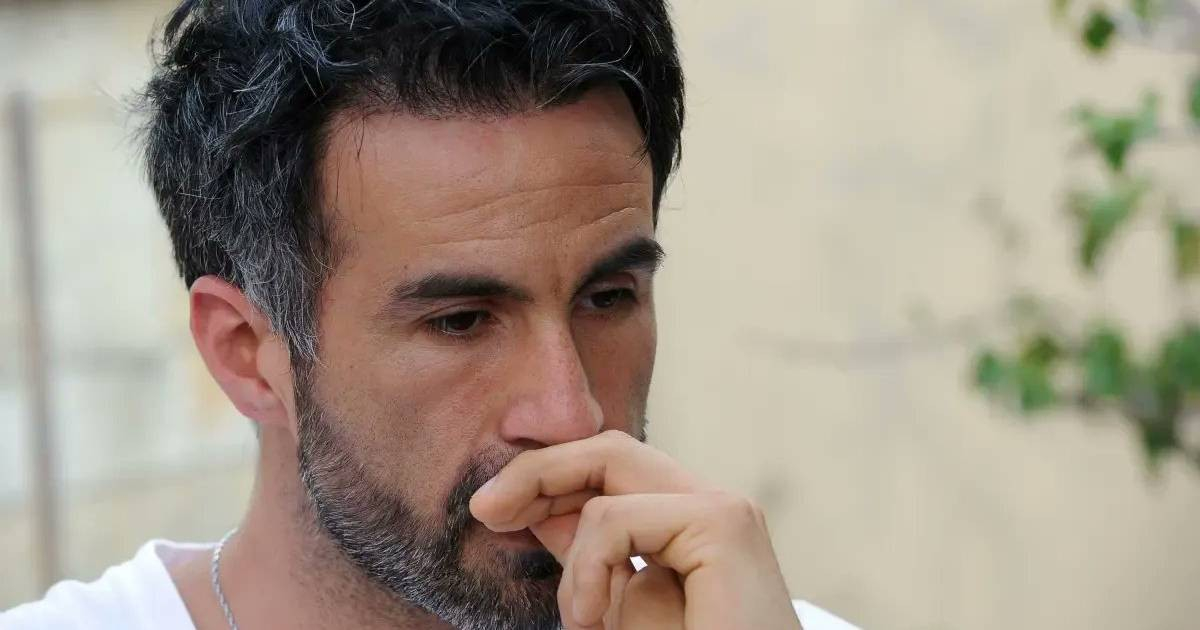
On Thursday, Argentine prosecutors delivered their closing arguments in the trial concerning the death of Diego Armando Maradona, seeking a 12-year prison term for Leopoldo Luque, the neurosurgeon and personal physician of the famed footballer. Luque faces charges of simple homicide with eventual intent, accompanied by a proposed ten-year professional disqualification.
Prosecutor Patricio Ferrari criticized the care Maradona received during his home hospitalization, labeling it as "the most deficient and reckless hospitalization of all time" and characterized the medical team as a "group of amateurs."
In addition to the severe penalty sought for Luque, the prosecution requested a ten-year prison sentence and another decade of disqualification for Nancy Forlini, the home care coordinator at Swiss Medical, also charged with homicide with eventual intent.
The prosecutors demanded an eight-year sentence and ten-year disqualification for psychiatrist Agustina Cosachov under the same charge, while psychologist Carlos Díaz was accused of negligent homicide, facing a five-year prison term and ten-year professional ban.
Both head nurse Mariano Perroni and nurse Ricardo Almirón were each targeted for a four-year prison sentence and eight-year disqualification, also on charges of negligent homicide.
Pedro Di Spagna, the clinical doctor among the seven accused, was the only one for whom the prosecution sought acquittal. Ferrari noted that Di Spagna "lacked authority or decision-making power over the patient's health," having visited Maradona only once.
The distinctions between charges are significant: homicide with eventual intent—attributed to Luque, Forlini, and Cosachov—suggests that the accused were aware their actions could lead to death and accepted that risk, whereas negligent homicide indicates a lack of intent but significant negligence.
Prosecutors Ferrari and Cosme Iribarren described the treatment as "chaotic, with dual leadership and two independent channels of information sharing a common trait of complete disorganization," highlighting Luque and Forlini as central figures in this disorder.
The prosecution argued that the accused "violated their duties, performed actions contrary to medical practice, neglected necessary acts, and left Maradona in a state of abandonment, leaving him to his fate."
Furthermore, prosecutors claimed that Maradona began to die approximately 12 hours before his death and that timely transfer to a medical facility might have saved his life.
Luque, in his final court statement on September 29, denied all responsibility, asserting that the death was "a sudden, acute, and unpredictable cardiac event." "I loved him, he was my idol," the neurosurgeon stated.
Maradona passed away on November 25, 2020, at the age of 60, in a residence in the San Andrés private neighborhood in Benavídez, Buenos Aires Province, where he was undergoing home care after surgery for a subdural hematoma. The official cause of death was acute pulmonary edema secondary to a chronic heart failure exacerbation.
This marks the second oral trial for the case; the first, which began in March 2025, was annulled after it was revealed that the judge was involved in an unauthorized documentary about the trial. The current proceedings started on April 14, 2026, before the Oral Criminal Court No. 7 in San Isidro. Following the prosecution's arguments, the court still awaits the arguments from the plaintiffs and the defenses before delivering its verdict.
Key Aspects of Maradona's Medical Trial
What charges does Leopoldo Luque face in Maradona's case?
Leopoldo Luque is charged with simple homicide with eventual intent, and the prosecutors are seeking a 12-year prison sentence along with a ten-year professional disqualification.
Who else is being held accountable in the trial?
Besides Luque, Nancy Forlini, Agustina Cosachov, Carlos Díaz, Mariano Perroni, and Ricardo Almirón face charges ranging from homicide with eventual intent to negligent homicide.
Why was the first trial annulled?
The initial trial was annulled because the presiding judge was found to be involved in an unauthorized documentary about the trial, compromising its integrity.