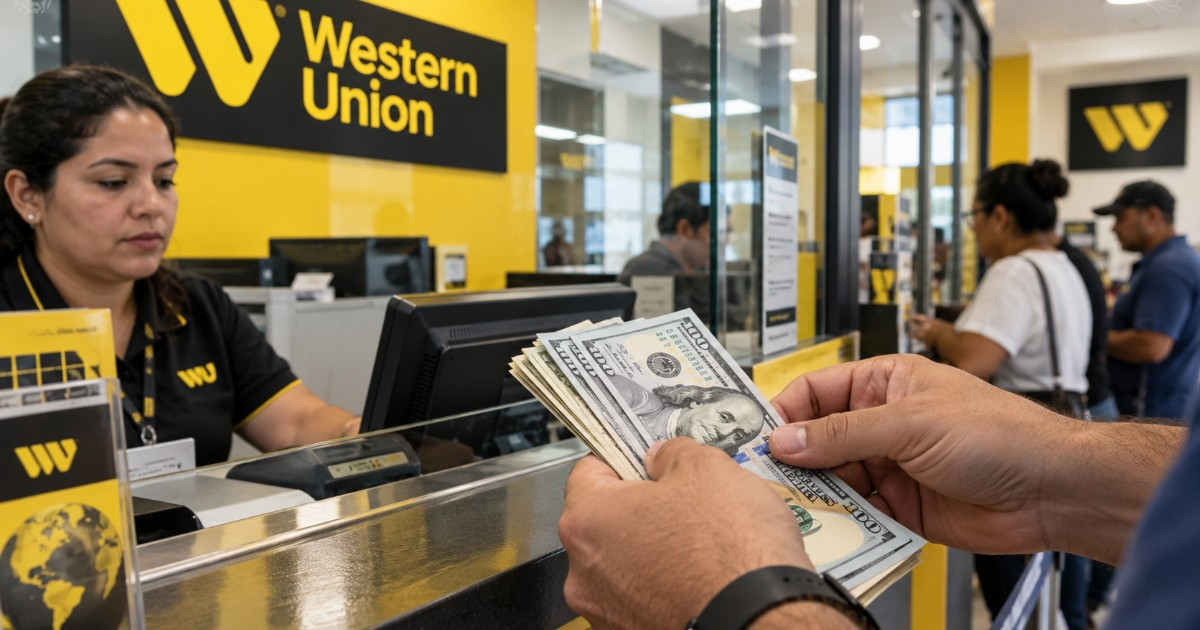
On October 7, the U.S. Department of Justice revealed the final stage of a compensation initiative aimed at individuals who were deceived into losing money through Western Union transfers. Eligible victims have until December 31, 2026, to file a claim.
This program allows those who were scammed between January 1, 2004, and March 9, 2020, to request a refund. However, the refund is not universal for all Western Union customers; the transfer must be linked to the specific fraud case, and each application will be evaluated before any payment is made.
The Background of Western Union's Penalty
In 2017, Western Union agreed to pay $586 million after admitting to criminal conduct involving anti-money laundering failures and facilitating fraud through its services. Over $436.9 million has already been distributed to more than 180,000 victims, according to the Department of Justice.
Who Is Eligible to File a Claim?
Anyone who sent money via Western Union during the specified period and lost funds due to related scams can file a claim. The program's FAQ clarifies that this includes transfers both within and outside the United States.
You don't need to be a U.S. citizen or reside in the country to make a claim. This is particularly significant for immigrants and Cubans who might have fallen victim to these scams. If you lack a Social Security Number (SSN) or Individual Taxpayer Identification Number (ITIN), the form includes an option for non-U.S. citizens.
Scams detailed by authorities include imposters pretending to be family members in urgent need of money, fake prize notifications requiring advance payments, and bogus online romance scams soliciting transfers.
Steps to Request a Western Union Refund
1. Visit the official portal. The authorized site by the Department of Justice is WesternUnionRemissionPhase3.com, where you can access the electronic process, download forms, and view FAQs.
2. Check for a letter. Some victims have received forms detailing their losses. If you got a notification, use the Claim ID and PIN in the letter to manage your claim online. If not, you can still start an electronic claim or download a blank form from the case documents section.
3. Gather documentation. Keep receipts and proof of transfers, transaction details, and any available information explaining the fraud. The Money Transfer Control Number (MTCN), a ten-digit code, can be found on printed receipts or electronic confirmations.
4. Submit your claim by the deadline. Use the official platform or mail your form. For mail submissions, the postmark must be dated on or before December 31, 2026. Email submissions are not accepted.
The mailing address provided is United States v. The Western Union Company Phase 3, P.O. Box 301132, Los Angeles, CA 90030-1132. Official instructions suggest sending copies of supporting documents, not originals.
What If You Don’t Have the Receipts?
The program's site indicates you can request a copy of the receipt from Western Union through their transfer history form. However, the company’s record retention is limited to ten years, possibly leaving older transactions undocumented.
In such cases, submit any remaining proof or documents you have. Not having an old receipt does not guarantee your claim will be approved.
Have You Already Made a Claim or Received Payment?
Those who participated in earlier phases and received compensation can only file new claims for additional transfers not previously included. The administrator notes that some rejections based solely on timing have been revisited with the expanded timeframe to March 2020, without requiring resubmission of the same transfers.
If you suspect additional pending claims, review the specific instructions in the official FAQ section before proceeding with another request.
Potential Recovery Amounts
There's no standard amount or guaranteed payment for all claimants. The Department of Justice cross-checks submitted information with available records to determine the recognized loss. The final sum may be partial or cover the entire approved loss, minus any past refunds.
The process covers funds transferred due to fraud but excludes Western Union fees, additional expenses, and transfers through other companies. A specific payment date for new claims is yet to be announced.
Beware of False Reimbursement Promises
The process is free and does not require an attorney. The Department of Justice and Verita Global, the claims administrator, emphasize that no payment is needed to participate. Be cautious of calls, messages, or websites asking for a fee to release compensation.
For inquiries, the program offers the official phone number 1-833-419-4677 and updated information on the third phase portal.
Does This Apply to Remittances Sent to Cuba?
The program is not for claims solely based on sending money to relatives in Cuba and is unrelated to the remittance service suspension. As reported by CiberCuba, Western Union halted remittances from the U.S. to Cuba in February 2025 due to different regulatory issues.
The current compensation is specifically for losses from fraud-related transfers between 2004 and March 2020. A Cuban individual, whether in or outside the U.S., can check eligibility if they were scammed, but neither nationality nor a standard remittance qualifies for payment.
Answers to Key Questions About Western Union Fraud Claims
Who is eligible to file a claim for Western Union fraud compensation?
Anyone who sent money through Western Union between January 1, 2004, and March 9, 2020, and lost it due to a related scam can file a claim. This includes transfers made both within and outside the United States.
What is the deadline for submitting a claim?
Eligible individuals must submit their claims by December 31, 2026. Submissions can be made through the official portal or by mail, ensuring the postmark is dated on or before the deadline.
Does this program cover fees and expenses related to the fraud?
No, the program only covers the funds transferred due to fraud. It does not reimburse Western Union fees, other expenses, or transfers made through different companies.