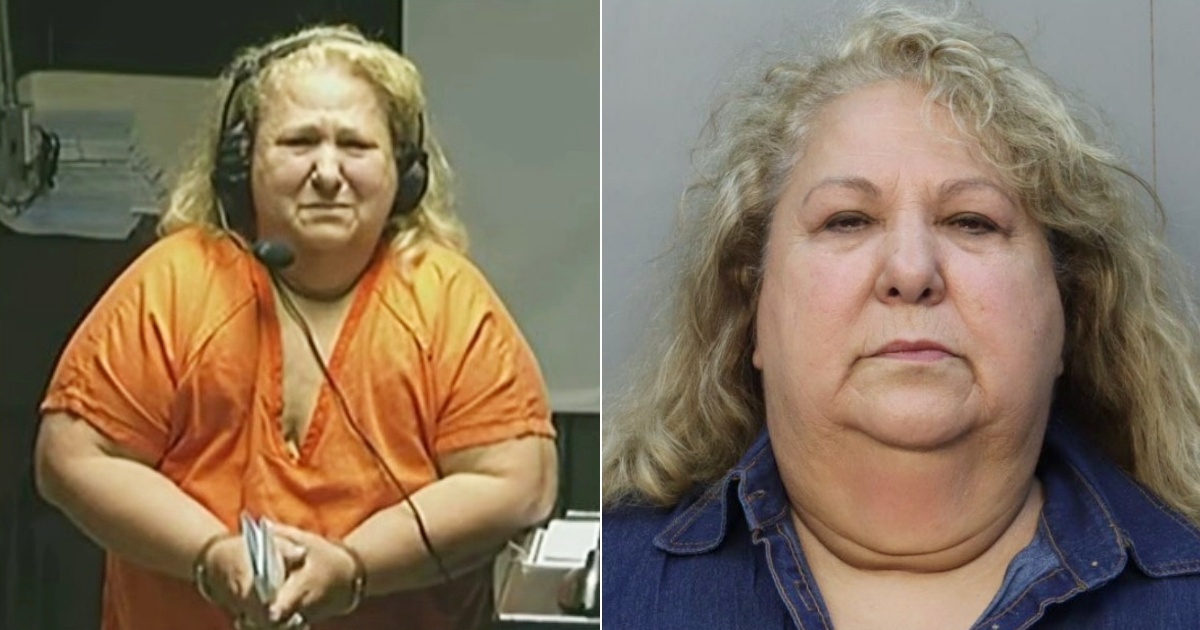
Maria Martinez, a 72-year-old woman, was taken into custody in Miami-Dade County, accused of submitting false documents and information to secure financing for luxury vehicles valued at more than $222,000, according to a report by Telemundo 51 released on Wednesday.
During her initial court appearance, Martinez faced 10 charges and was held in the county jail. In the courtroom, the judge remarked, "Ma'am, you can afford your own attorney."
Unpacking the Alleged Fraud Operation
According to the police report, Martinez posed as an executive of a transportation company, claiming an annual income of $175,000. Investigators found that the pay stubs she provided were fabricated.
The scheme was flagged at a dealership in Doral, where she had already purchased two vehicles within a short span and returned for a third. The finance team noticed discrepancies and alerted the police, preventing the transaction from being finalized.
Understanding the "Credit Bust-Out" Scheme
Detectives identified her method as a "credit bust-out," a tactic that exploits the approximately 30-day delay before new debt appears on a person's credit report.
During this window, a fraudster can visit multiple dealerships and secure financing at each without lenders recognizing the true level of indebtedness. Investigators explained, "They can apply with another bank and, with the same information, receive up to four or five cars in a week. Any car can cost 15, 20, 30 thousand dollars, and these cars are sold, rented, and by the time you find them or it happens again, businesses face significant financial losses."
Cars obtained through this scam often end up sold on the black market, illegally subleased, or exported out of the country. Authorities discovered one such vehicle in Germany last year.
Red Flags Dealerships Should Watch For
The owners of the Doral dealership recounted nearly falling victim to this and other fraud schemes multiple times. They noted that fraudsters often operate during strategic hours when banks are closed to hinder immediate verification.
Nevertheless, they maintain that warning signs are always present: "You have to be keen enough to notice if the person seems nervous, refuses to show ID, or if the ID is illegible. Bank statements may be handwritten or fabricated with artificial intelligence."
The Broader Impact of Auto Financing Fraud
This type of fraud impacts more than just car dealerships. Losing a single vehicle can wipe out a month’s profits for a small family business: "A car worth between 15 and 20 thousand dollars could mean losing substantial monthly revenue."
The ripple effects also affect consumers, leading to increased insurance and car prices. Identity theft victims often find their credit history destroyed without their knowledge.
Recent Similar Incidents
The 30-day delay before new debt appears on credit reports continues to be a key vulnerability exploited by these fraud schemes. In August 2025, a 32-year-old Cuban woman living in Miami Lakes was charged with fraud involving two luxury cars—a Mercedes-Benz GT55 and a Land Rover Defender—worth over $212,000.
Soon after, in September of that year, a police operation in Miami-Dade led to 21 arrests and the recovery of more than 50 vehicles linked to a $5 million scheme.
In April 2026, another woman from Miami Lakes was arrested for allegedly acquiring 10 vehicles in just eight days, falsely claiming an income of $180,000 a month as a restaurant manager.
Key Questions About Luxury Car Fraud in Miami-Dade
What is the "credit bust-out" scheme?
The "credit bust-out" scheme exploits the delay before new debt appears on credit reports, allowing fraudsters to secure financing from multiple dealerships without lenders realizing their true level of debt.
How do dealerships detect potential fraud?
Dealerships can detect fraud by looking for signs such as nervous behavior, reluctance to show ID, illegible IDs, and suspicious bank statements, often handwritten or fabricated using AI.
What are the consequences of auto financing fraud?
Auto financing fraud impacts dealerships' profits, raises insurance and vehicle prices for consumers, and can destroy the credit history of identity theft victims.