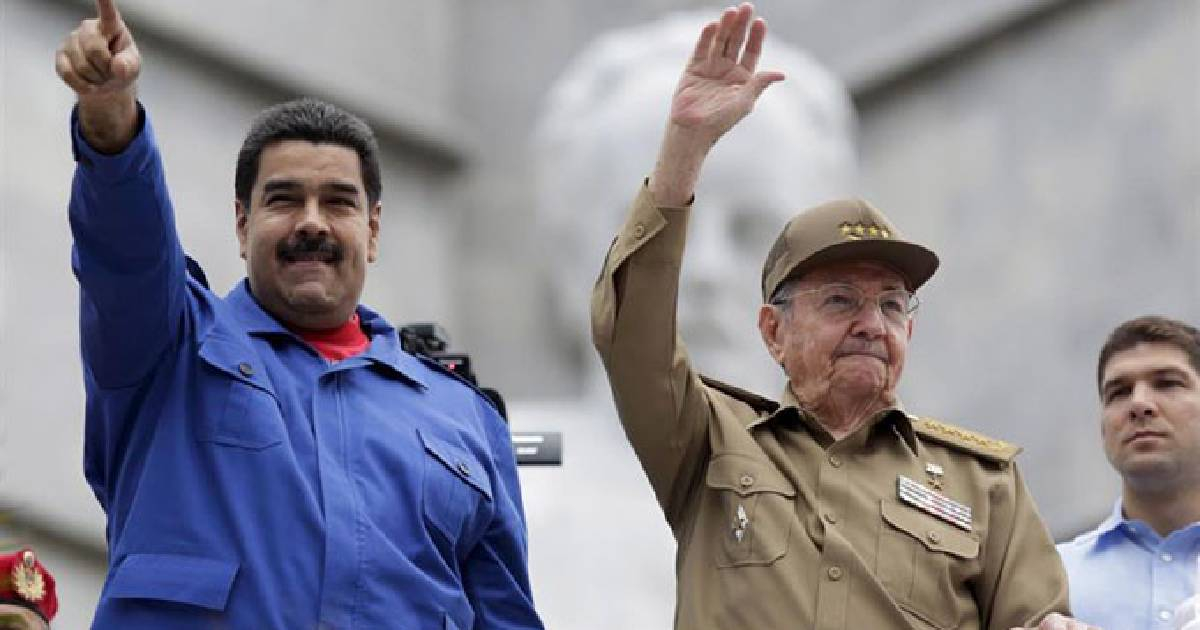
Nearly a year after the dramatic apprehension of Nicolás Maduro by U.S. special forces, the once robust alliance between Venezuela and Cuba has devolved into a cautious diplomatic engagement. This deterioration is highlighted in a recent analysis by BBC News Mundo, which outlines the fraying ties from both perspectives.
The collapse of what was once heralded as a "strategic relationship" reached a critical juncture on January 3, 2026. During a U.S. military operation in Caracas, Maduro was captured, and 32 Cuban nationals — comprising 21 from the MININT and 11 from the FAR — who were part of his security detail, were killed. Their bodies were returned to Havana aboard a Cubana de Aviación flight on January 15, 2026.
The energy impact was equally severe. In 2025, Venezuela supplied Cuba with about 26,500 barrels of oil daily, accounting for roughly one-third of the island's needs. These shipments halted between January 3 and 9, 2026, exacerbating an already dire electrical crisis that had persisted since 2024. With Washington now overseeing Venezuelan crude exports, the oil flow to Cuba remains blocked.
Official statements from both governments now openly acknowledge the rift. In September, Cuban Deputy Foreign Minister Carlos Fernández de Cossío, speaking at the United Nations General Assembly in New York, referred to Venezuela as a "friendly country," emphasizing that "ally" was "too strong a word." Concurrently, Venezuela's interim president, Delcy Rodríguez, omitted any mention of Cuba in her speech at the same forum, a first in the two-decade history of Venezuelan UN addresses.
The Cuban vice minister's remarks come as Rodríguez's administration makes pragmatic overtures toward the Trump administration, while the oil embargo on Cuba remains in effect. Experts consulted by EFE had already described the bilateral relationship as "completely paralyzed" back in May, a sentiment that subsequent months have only reinforced.
This crumbling alliance was initially forged in October 2000 with the signing of the Comprehensive Cooperation Agreement. This deal involved an exchange of Venezuelan oil for Cuban professional services, primarily in the medical field. At its peak, Venezuela sent between 53,000 and 115,000 barrels of oil daily to Cuba, underpinning the island's economy for two decades.
By the end of 2025, approximately 13,000 Cuban healthcare workers remained in Venezuela, associated with the Barrio Adentro network and other cooperation missions. However, pressure from Washington hastened the withdrawal of these missions following Maduro's capture.
Maduro's capture dealt a blow to the regimes of Cuba, Russia, and China, which had long supported the political and economic framework of Chavismo. For Havana, the loss of its Venezuelan ally presents an irreplaceable void in the near term, as Cuba's own oil production lags far behind its needs, producing just 40,000 barrels daily against a demand of around 110,000.
Understanding the Impact of Maduro's Capture on Cuba-Venezuela Relations
What triggered the breakdown of relations between Venezuela and Cuba?
The apprehension of Nicolás Maduro by U.S. forces and the subsequent death of 32 Cuban nationals during the operation marked a significant turning point, leading to the deterioration of the strategic alliance.
How has the capture of Maduro affected Cuba's energy supply?
The capture led to the cessation of Venezuelan oil shipments to Cuba, which had been a crucial energy source for the island, worsening its existing electrical crisis.
What has been the official response from both countries?
Cuban officials have downplayed the term "ally," while Venezuelan leaders have notably excluded Cuba from official statements, reflecting the cooled relations.