U.S. authorities have intercepted 90 fuel shipments valued at around $2.8 million as part of an investigation into a scheme designed to send petroleum products to a sanctioned Cuban entity, thus bypassing existing U.S. restrictions.
The specifics of this operation will be disclosed on Wednesday, October 7, during a press conference in Miami, according to an official announcement referenced by Diario Las Américas.
The notice confirms an administrative seizure of 90 shipments consisting of middle distillates mixed with biodiesel. Authorities suspect these products were intended for Cuba through exports aiming to circumvent U.S. sanctions.
As of now, neither the Cuban entity that was to receive the fuel nor the individuals or companies responsible for these shipments have been publicly identified.
Participating in the press conference will be José R. Figueroa, Special Agent in Charge of Homeland Security Investigations (HSI) in Miami; Daniel Alonso, Director of Field Operations for U.S. Customs and Border Protection (CBP) for Miami and Tampa; and Jeremy Shein, Special Agent in Charge of the Office of Industry and Security (BIS) at the Department of Commerce.
Cuban journalist Wilfredo Cancio Isla reported on Tuesday that the volume of fuel seized exceeds 600,000 gallons, with its value similarly estimated at about $2.8 million.
Cancio indicated that the operation is part of Washington's scrutiny over fuel shipments to Cuba, and that authorities will provide additional details during the Miami briefing.
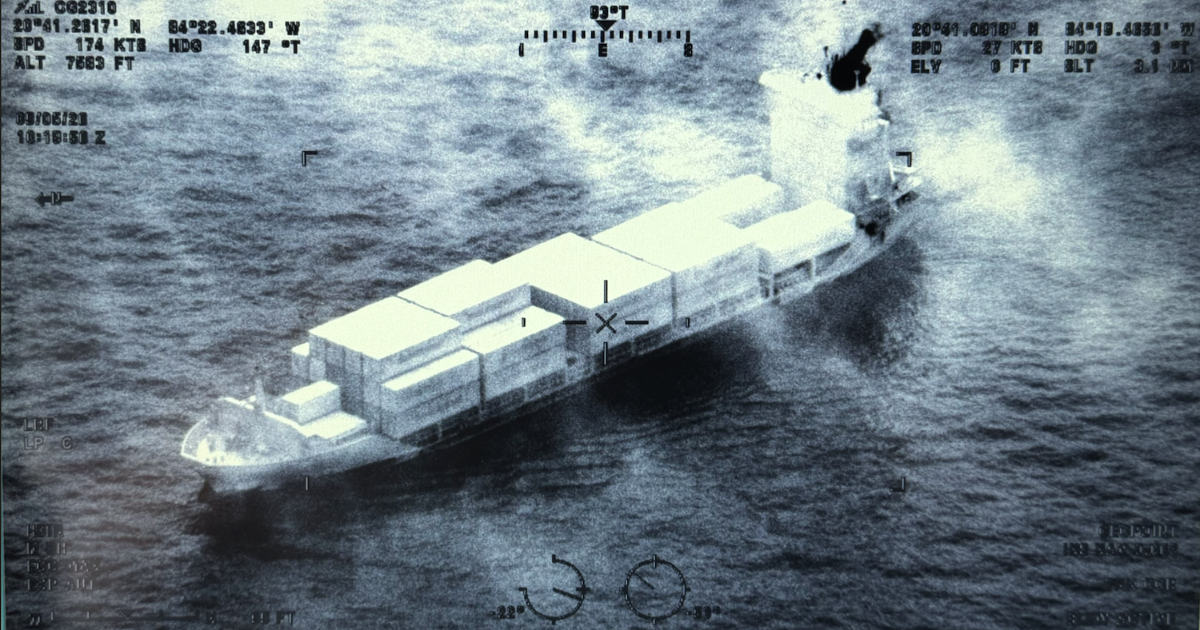
This information emerges just days after the interception of the cargo ship Grace in the Caribbean, which was en route to Cuba and was boarded by the U.S. Coast Guard on September 5.
Following the boarding, the vessel was escorted to Mexico, where an inspection confirmed the presence of large quantities of fuel in its tanks and other containers.
The new seizure also comes at a time of a significant increase in authorized exports of petroleum products from the United States to Cuba.
Data from the U.S. Energy Information Administration (EIA) shows that in July alone, 3.222 million barrels of petroleum products were exported to the island, compared to 778,000 in June, 476,000 in May, and 210,000 in April. Between January and July 2026, the cumulative volume reached approximately 4.896 million barrels.
These authorized commercial operations coexist with restrictions prohibiting transactions with certain sanctioned Cuban entities, prompting federal agencies to keep a close watch on exporters, recipients, and routes used to transport fuel to the island.
The upcoming briefing on Wednesday is expected to shed light on who was behind the 90 shipments, their exact destination in Cuba, and the mechanism used to evade U.S. sanctions.
Understanding the Fuel Shipment Scheme to Cuba
What is the value of the seized fuel shipments?
The seized fuel shipments are valued at approximately $2.8 million.
Who are the key figures involved in the investigation?
Key figures involved include José R. Figueroa from Homeland Security Investigations, Daniel Alonso from U.S. Customs and Border Protection, and Jeremy Shein from the Office of Industry and Security.
What was the fate of the cargo ship Grace?
The cargo ship Grace was intercepted by the U.S. Coast Guard and escorted to Mexico, where inspections confirmed it carried large quantities of fuel.