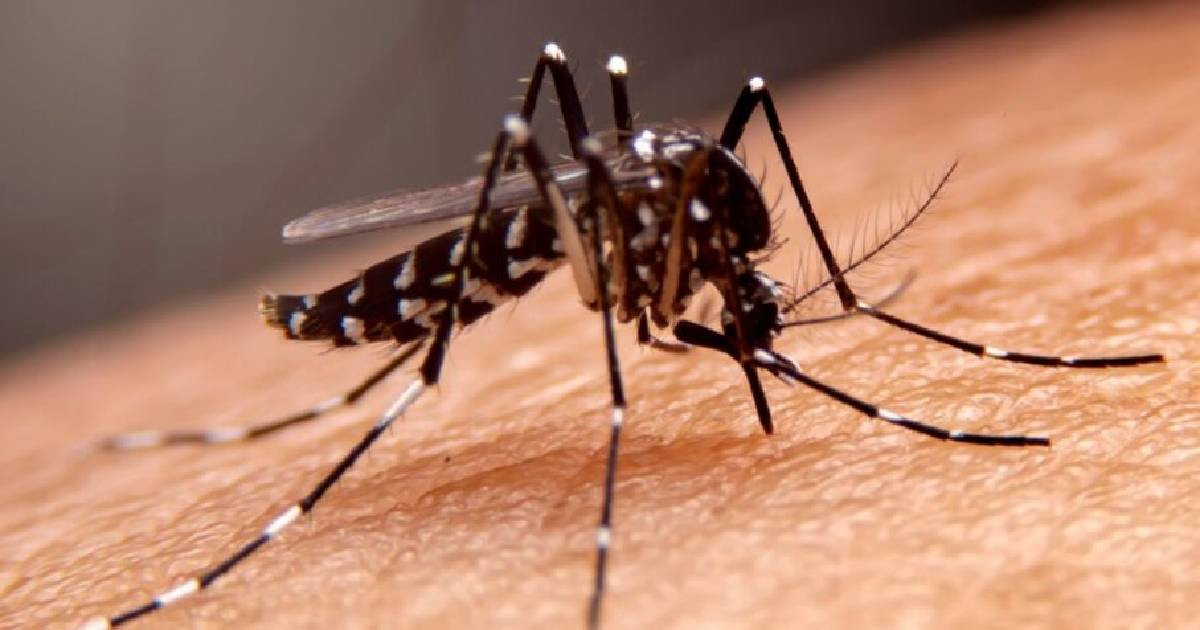
Broward County has reported its first case of locally acquired dengue in 2026, indicating that an individual contracted the virus from a mosquito bite within the county itself, rather than during international travel, according to NBC6.
The Florida Department of Health in Broward (DOH-Broward) announced on Monday that after confirming the case, they issued a mosquito-borne illness advisory and are working in collaboration with Broward County Mosquito Control to enhance monitoring and control efforts.
CBS Miami highlighted that the advisory applies to the entire county and should not be misinterpreted as being restricted only to Fort Lauderdale or any specific area within Broward.
This confirmation comes as Florida is facing a severe dengue season. The latest available weekly report from the Florida Department of Health, covering the period from September 20 to 26, recorded 497 dengue cases in the state during 2026: 252 locally acquired and 245 travel-related.
The report has yet to include the newly confirmed local case in Broward. Up until this update, dengue transmission within Florida had been detected in seven counties: Hillsborough, Miami-Dade, Orange, Palm Beach, Pasco, Pinellas, and Polk. With Broward, the list now includes at least eight counties.
However, Hillsborough has the highest concentration with 223 locally acquired cases, while Miami-Dade has reported eight. Broward, until now, had only recorded travel-related cases with no local transmission.
The Department of Health notes that their figures may differ from those published by the Centers for Disease Control and Prevention (CDC) due to variations in criteria and timing for case counting.
Preventive Measures and Local Concerns
Residents of Broward and Miami-Dade are strongly advised to eliminate any standing water that could serve as mosquito breeding grounds.
Authorities recommend draining containers, buckets, plant pots, toys, pool covers, and other items that can collect water after rainfall.
It is also advised to use Environmental Protection Agency (EPA)-registered insect repellents, cover arms and legs when possible, and ensure that screens on doors and windows are in good condition.
Local 10 emphasized these preventive steps following the confirmation of the local dengue case.
Impact on the Cuban Community
This outbreak is particularly significant for the large Cuban community in South Florida. The state report notes that of the 245 travel-related cases recorded up to September 26, 201 were linked to exposure in Cuba.
While this does not imply that the new Broward case was imported, it underscores the importance of taking precautions for those traveling between Florida and Cuba, where dengue and other mosquito-borne viruses continue to circulate amid a prolonged health crisis.
The CDC recommends that individuals returning from areas at risk for dengue protect themselves from mosquito bites for three weeks post-travel, regardless of symptoms, to prevent mosquitoes from acquiring the virus and spreading it to others.
The alert in Broward comes shortly after Florida surpassed 250 locally acquired dengue cases in 2026, marking an outbreak not seen in decades on the U.S. mainland.
Symptoms and Medical Guidance
Florida health officials continue to monitor the situation and conduct mosquito control operations during this peak season for these vectors.
Dengue is primarily transmitted by Aedes mosquitoes. Common symptoms include fever, headache, eye pain, muscle and joint pain, nausea, vomiting, and skin rash, according to the CDC.
Health authorities urge immediate medical attention if warning signs such as severe abdominal pain, persistent vomiting, bleeding from the nose or gums, blood in vomit or stool, extreme fatigue, or restlessness appear.
The CDC advises against taking aspirin and ibuprofen if dengue is suspected due to bleeding risks and suggests using acetaminophen for fever and pain management.
Frequently Asked Questions about Dengue in Florida
How was the dengue virus contracted in Broward County?
The virus was contracted through the bite of an infected mosquito within Broward County, not through international travel.
What preventive measures are recommended for residents?
Residents are advised to eliminate standing water, use EPA-registered repellents, cover arms and legs, and maintain window and door screens.
Why is the outbreak significant for the Cuban community in Florida?
A significant number of travel-related dengue cases were linked to exposure in Cuba, highlighting the importance of taking precautions for travelers between Florida and Cuba.