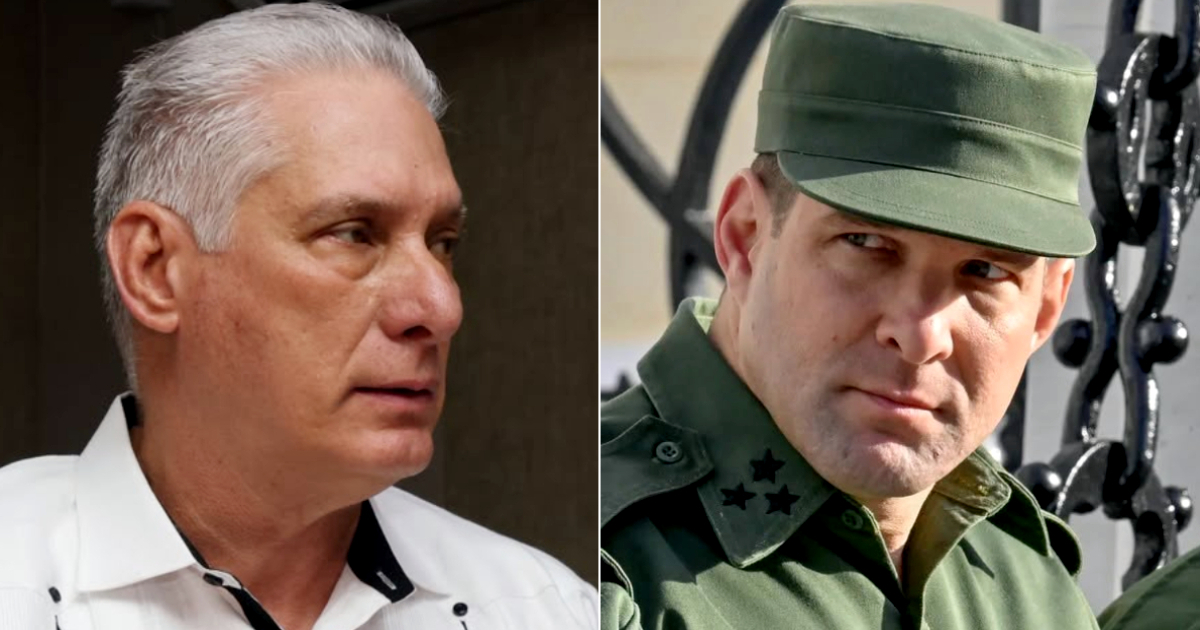
Negotiations between the United States and Cuba, facilitated by Raúl Guillermo Rodríguez Castro—known as "El Cangrejo" and grandson of Raúl Castro—have come to a standstill. According to an in-depth investigation by The Atlantic published on Monday, the U.S. has made the removal of Miguel Díaz-Canel from power a prerequisite for any agreement, causing the talks to falter.
The article by Kevin Sieff highlights the dashed hopes of the Cuban-American community in Miami, who, after the capture of Nicolás Maduro on January 3, anticipated that Cuba would be "next." However, nine months have passed with unfulfilled promises and diplomatic gridlock.
Stalemate in Diplomatic Efforts
The breaking point was clear: Washington's insistence on Díaz-Canel's departure as a non-negotiable condition was met with resistance from the regime, halting the process.
Back in January, Marco Rubio set the tone, warning at a press conference in Mar-a-Lago: "If I were in Havana and part of the government, I'd be worried, at least a little."
Shift in Rhetoric and Strategy
Nine months later, the rhetoric has shifted significantly. At the UN General Assembly in late September, Rubio remarked that "Cuba has a golden opportunity to embark on an irreversible path to a better future," emphasizing that the U.S. is "ready to assist if they are open to it," a notably more cautious approach.
The Atlantic suggests that a key reason for the impasse is Trump's decision to engage militarily with Iran, which deployed aircraft carriers and warplanes to the Middle East, leaving limited resources for a Venezuelan-style operation in Cuba.
Regime's Stance and U.S. Offers
The Cuban regime, meanwhile, denies the existence of formal negotiations. Lianys Torres Rivera, Cuba's charge d'affaires in Washington, stated to Reuters on Tuesday: "What we have with the United States are channels of communication."
Cuban Foreign Minister Bruno Rodríguez Parrilla acknowledged in late September that "some episodes of conversation" had occurred with U.S. officials, but without tangible outcomes.
On the other hand, the Trump administration extended offers of fuel and humanitarian aid to Cuba in exchange for privatizing the energy sector, which the regime formally rejected.
Growing Frustration and Cuban-American Sentiment
Frustration is mounting among the nearly one million Cubans and Cuban-Americans residing in Miami-Dade County. The Cuban-American Chamber of Commerce, founded in the wake of Maduro's capture when regime change seemed imminent, organized 14 committees and even planned for a future Cuban stock exchange.
An April Miami Herald poll indicated that more than half of Cubans and Cuban-Americans in Florida disapproved of Trump's negotiations with the Cuban government.
Despite this, confidence in Rubio remains almost unshaken among the exiled community. "I don't trust Trump on Cuba," commented an anonymous attendee at a Cuban-American Chamber of Commerce event. "But Marco Rubio is our savior."
Insights from Opposition and Current Crisis
Cuban dissident Rosa María Payá, who claims to have discussed Cuban politics directly with Rubio, provided a more sober analysis to the report: "I don't think he has the position to make the final decision."
Rubio told Fox News host Sean Hannity that "the truth is Cuba has already fallen," but acknowledging the humanitarian crisis does not equate to having a plan to topple the regime.
With nearly 2 million Cubans having left the island since 2020—about a fifth of the population—and power outages exceeding 20 hours a day, the situation in Cuba worsens as diplomatic efforts remain stalled.
Frequently Asked Questions about U.S.-Cuba Relations
Why have U.S.-Cuba talks stalled?
The talks have stalled because the U.S. demanded the removal of Miguel Díaz-Canel as a condition for any agreement, which the Cuban regime rejected.
What was the U.S. offering Cuba in exchange for reforms?
The U.S. offered fuel and humanitarian assistance in exchange for Cuba privatizing its energy sector, which the Cuban government formally declined.
How has the Cuban-American community in Miami responded?
The community has grown increasingly frustrated with the lack of progress in negotiations and expressed disapproval of the Trump administration's approach to Cuba.